Database Management Systems Explained
Introduction to Databases
What Is a Database?
Think of a massive library. If you need to find one specific book, you don't wander aimlessly through the aisles. You use the library's catalog, an organized system that tells you exactly where to look. A database is like that catalog, but for digital information.
Database
noun
An organized collection of structured information, or data, typically stored electronically in a computer system.
Its main purpose is to make data easy to manage, access, and update. Instead of having information scattered across different files and folders, a database keeps it all in one place, neatly arranged. This organization allows businesses to retrieve specific pieces of information almost instantly, whether it's a customer's shipping address or the inventory level for a popular product.
The Database Manager
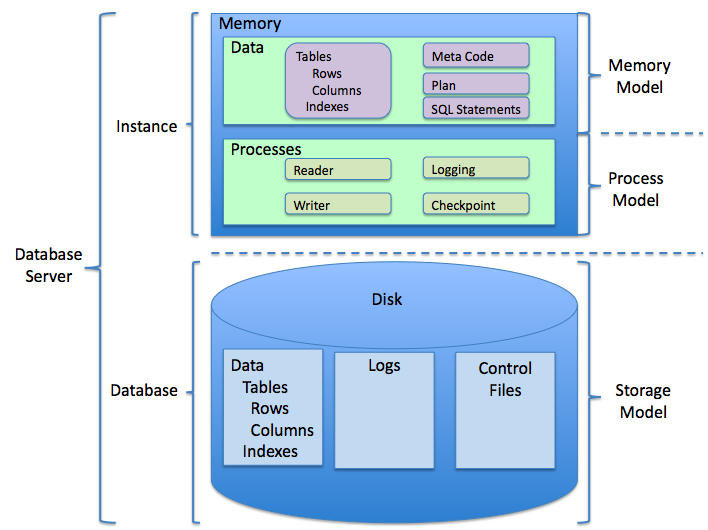
A database doesn't manage itself. It needs a special piece of software to act as its gatekeeper and organizer. This is called a Database Management System, or DBMS.
The DBMS is the software that interacts with users, applications, and the database itself. It handles all the requests to read, write, or change data, ensuring everything is done in an orderly and secure way.
If the database is the library, the DBMS is the librarian. It knows the rules, keeps everything tidy, and helps you find what you need. It also prevents unauthorized people from accessing sensitive information. The core functions of a DBMS include:
- Defining data: Specifying the types of data that will be stored, along with any rules or constraints.
- Manipulating data: Inserting, updating, deleting, and retrieving data.
- Managing access: Controlling who can see and modify the data.
Why Not Just Use a Spreadsheet?
For simple lists, a spreadsheet or text file works fine. But as data gets more complex and more people need to use it, these simple file systems start to show their weaknesses. Databases were created to solve these problems.
| Feature | File System (e.g., Spreadsheet) | Database System |
|---|---|---|
| Data Redundancy | High chance of duplicate data in different files. | Minimized by storing data in a central location. |
| Data Integrity | Difficult to enforce rules for data consistency. | Enforces rules to ensure data is reliable and accurate. |
| Concurrent Access | Prone to errors when multiple users edit at once. | Manages simultaneous access by many users smoothly. |
| Security | Limited; often relies on folder-level permissions. | Provides detailed control over who can access what data. |
Using a database ensures that data remains consistent, secure, and accessible, even as the amount of information and the number of users grows.
Databases in the Wild
You interact with databases every day, often without realizing it. They are the invisible engines powering much of the modern world.
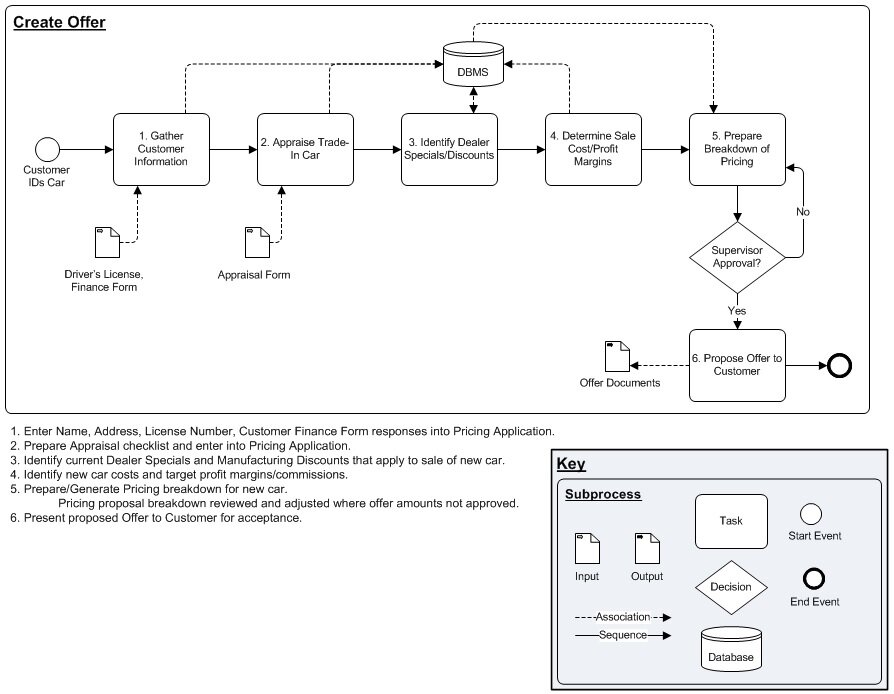
Database systems are integral to modern life, underpinning activities from banking and reservations to online shopping and social media.
When you book a flight, the airline's database updates to show your seat is taken. When you log into a social media app, it pulls your profile, photos, and friends list from a massive database. Online stores rely on them to track every product, price, and customer purchase. Even your doctor's office uses a database to manage patient records. They are a fundamental building block of modern technology.
Now that you understand the basic concepts, let's check your knowledge.
What is the primary purpose of a database?
Using the analogy from the text, if a database is the library, the Database Management System (DBMS) is the _______.
Understanding what a database is and why it's important is the first step in learning how to work with data effectively.