Data Selection for Decision Making
Understanding Data Quality
What is Data Quality?
Think of data as the ingredients for a recipe. If you use fresh, high-quality ingredients, you'll likely end up with a delicious meal. But if you use stale or incorrect ingredients, the result will be disappointing, no matter how skilled the chef is.
Data quality is the same idea. It’s a measure of how fit your data is for its intended purpose. High-quality data leads to reliable insights and smart decisions. Poor-quality data, on the other hand, can lead to costly mistakes, missed opportunities, and a lack of trust in your systems.
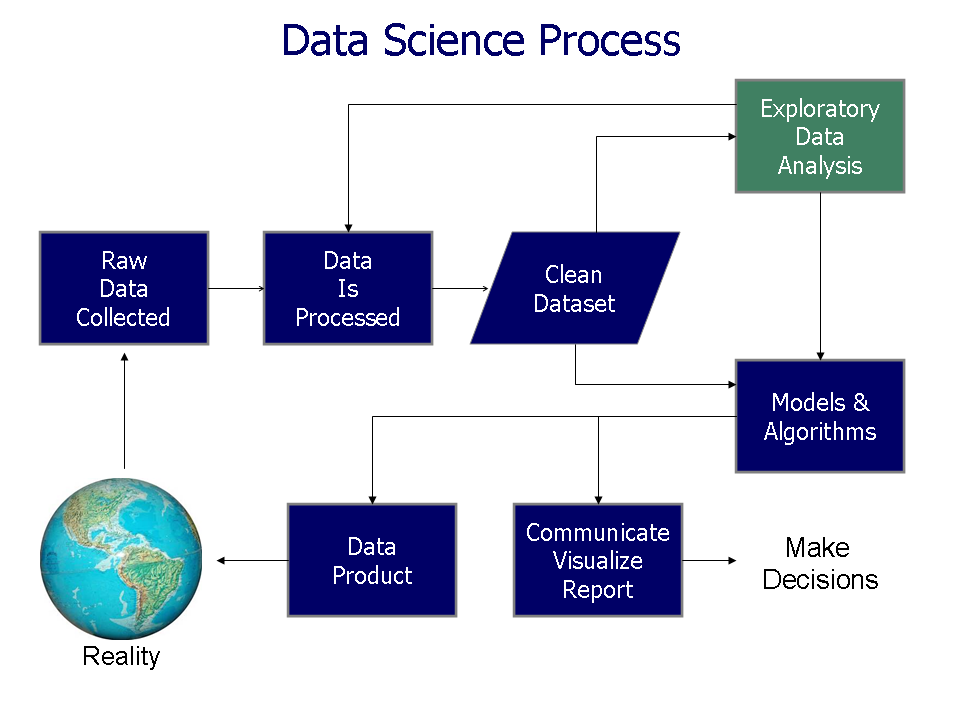
Data quality directly influences the effectiveness of data and business strategies, making it essential for accurate analytics.
Whether you're training an AI model, creating a business report, or just trying to understand your customers, the quality of your starting data will fundamentally determine the quality of your results.
The Dimensions of Quality
Data quality isn't just one thing; it's a combination of several factors. To say data has 'high quality,' it generally needs to meet five core standards.
Accuracy
noun
The degree to which data correctly represents the real-world object or event it describes.
Is the information correct? An inaccurate customer list might have wrong phone numbers or misspelled names, making it impossible to contact anyone.
Completeness
noun
The proportion of data that is present versus what should be there.
Is anything missing? If a sales record is missing the purchase date, you can't analyze sales trends over time. Incomplete data leaves gaps in your understanding.
Consistency
noun
The absence of contradiction within a set of data or across different datasets.
Does the data make sense together? Inconsistency happens when one part of your data contradicts another. For example, a customer is listed as living in New York in one file but California in another. Which one is right?
Timeliness
noun
The degree to which data is up-to-date and available when needed.
Is the data current? A list of customer addresses from five years ago isn't very timely or useful for a new marketing campaign, as many people will have moved.
Relevance
noun
The degree to which data is appropriate and useful for the task at hand.
Is this the right data for the job? You might have a perfectly accurate, complete, and timely dataset about weather patterns, but it's not relevant if you're trying to analyze website traffic.
Common Data Quality Problems
When data fails to meet these standards, problems arise. Poor data quality isn't just a technical issue; it has real-world consequences. Flawed data can lead to bad business strategies, wasted marketing spend, and frustrated customers.
| Issue | Description | Impact |
|---|---|---|
| Duplicate Records | The same entry appears more than once. | Skews analysis, wastes resources (e.g., sending multiple mailings to the same person). |
| Missing Values | Fields in a record are left empty. | Prevents complete analysis and can lead to biased or incorrect conclusions. |
| Outdated Information | Data no longer reflects the current reality. | Leads to incorrect targeting, failed deliveries, and flawed strategic planning. |
| Inconsistent Formats | The same type of data is stored in different ways (e.g., "NY" vs. "New York"). | Makes it difficult to aggregate and analyze data accurately. |
| Incorrect Data | Information is factually wrong (e.g., typos, wrong numbers). | Directly leads to wrong conclusions and poor decisions. |
Recognizing these issues is the first step. By understanding what high-quality data looks like, you can start to see why it’s the essential foundation for any successful data-driven effort.
Which statement best defines data quality?
A sales report is generated, but 30% of the entries are missing the purchase date. Which primary dimension of data quality is compromised?