Data Science from Scratch for Everyone
Data Science Basics
What Is Data Science?
Data science is the process of turning raw data into useful insights. Think of it as a form of storytelling, where the story is hidden in numbers and patterns. The goal is to answer questions and solve problems by understanding what the data has to say.
At its core, data science is about making sense of the world through data.
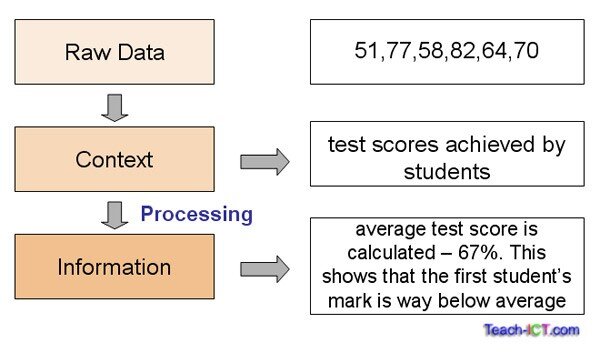
But what is 'data'? Imagine a grocery receipt. Each line item with its price is a piece of data. 'Milk, $3.50' is one data point. 'Bread, $2.75' is another. By itself, a single data point isn't very useful. It's just a fact. This collection of unprocessed facts is called because it hasn't been organized or analyzed yet.
When we process this data, it becomes information. For instance, if you add up all the prices on your receipt, you get the total cost of your groceries. That's information. You could also find out which item was the most expensive or how many dairy products you bought. You've turned a simple list of facts into a meaningful summary.
The Data Science Lifecycle
Transforming data into insights follows a general path, often called the data science lifecycle. It’s a cycle because the findings from one project often lead to new questions, starting the process all over again. While there are different models, many follow a similar set of steps.
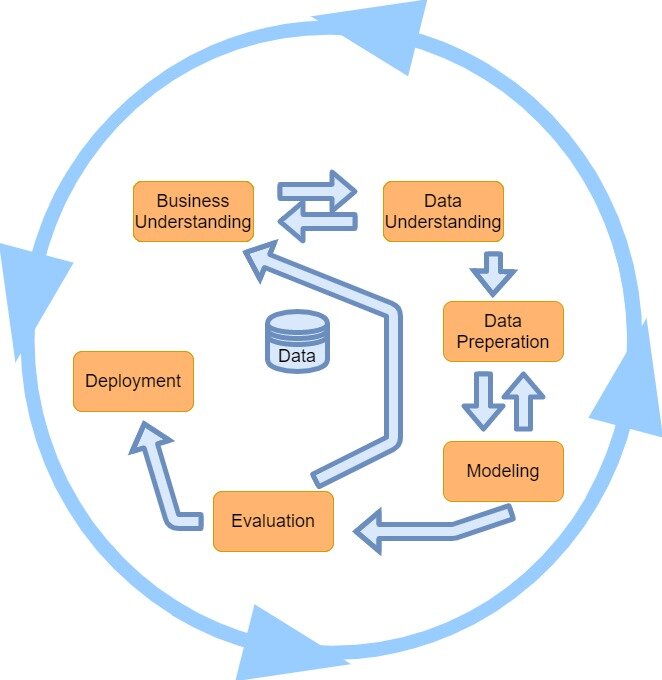
This process generally involves a few key phases:
-
Data Collection: First, you need data. This can come from anywhere: customer surveys, website clicks, sales records, social media posts, or sensors on a machine.
-
Data Cleaning: Raw data is almost always messy. It might have typos, missing values, or duplicate entries. Cleaning, or 'preprocessing,' involves fixing these errors to make the data reliable. It’s like tidying up a messy room before you can find anything.
-
Data Analysis: This is the discovery phase. Here, you explore the clean data to find patterns, trends, and relationships. You might ask questions like, "What is our most popular product?" or "What time of day do we get the most website visitors?"
-
Data Visualization & Communication: Once you have insights, you need to share them with others. Creating charts, graphs, and dashboards helps tell the story hidden in the data. A simple bar chart is often much easier to understand than a spreadsheet full of numbers.
Data Science in the Real World
Data science isn't just an academic concept; it's all around you. Companies in every industry use it to make smarter decisions.
-
E-commerce: When Amazon suggests products you might like, it's using data science to analyze your past purchases and browsing history.
-
Entertainment: Netflix's recommendation engine analyzes what you watch to suggest new movies and shows, keeping you engaged on their platform.
-
Logistics: Shipping companies like UPS use data science to plan the most efficient delivery routes, saving fuel and time by analyzing traffic patterns, weather, and package destinations.
-
Healthcare: Public health officials can track the spread of a disease like the flu by analyzing data from hospitals and social media mentions of symptoms.
These examples show that data science is fundamentally about problem-solving. It provides a structured way to use evidence to answer questions and guide actions.
Roles in the Data World
The field of data science is broad, and many different roles contribute to the overall process. While the titles can sometimes overlap, here are three common ones:
Data Analyst: These professionals focus on describing what has already happened. They collect, clean, and analyze data to create reports and visualizations that help businesses understand their performance. They answer questions like, "How did our sales change last quarter?"
Data Scientist: Data scientists often do everything a data analyst does, but they also build models to predict what might happen in the future. They use statistics and machine learning to forecast trends or build recommendation engines. They answer questions like, "Which customers are most likely to stop using our service next month?"
Data Engineer: These are the architects of the data world. They build and maintain the systems that collect, store, and process large amounts of data. A ensures that data analysts and scientists have clean, reliable data to work with. They build the 'pipelines' that data flows through.
Understanding these roles helps clarify that "data science" is a team sport. Each role plays a critical part in turning raw data into valuable action.
Now that you understand the basic concepts, let's test your knowledge.
What is the primary goal of data science?
A company discovers that many customer entries in their sales records have typos and missing phone numbers. Fixing these errors belongs to which phase of the data science lifecycle?
You've now taken your first step into the world of data science, seeing how simple facts are collected, cleaned, and transformed into powerful stories that shape our world.