Data Science Beyond the Enterprise
Introduction to Data Science
What is Data Science?
Data science is the practice of using data to understand the world and make better decisions. It's a field that blends programming skills, statistics, and subject matter expertise to uncover hidden patterns and insights from information.
Data Science is an interdisciplinary field that uses various techniques from statistics, mathematics, computer science, and domain-specific knowledge to extract insights from vast amounts of data.
Think of a data scientist as a detective. They gather clues (data), look for connections, and build a case (a model or analysis) to explain what happened or predict what might happen next. This process isn't just for big companies; it's a powerful way to solve problems in almost any area you can imagine.
The Data Science Journey
Every data science project follows a general path, often called a lifecycle. While the specific tools and techniques might change, the core stages remain consistent. It’s an iterative process where you often circle back to earlier steps as you learn more.
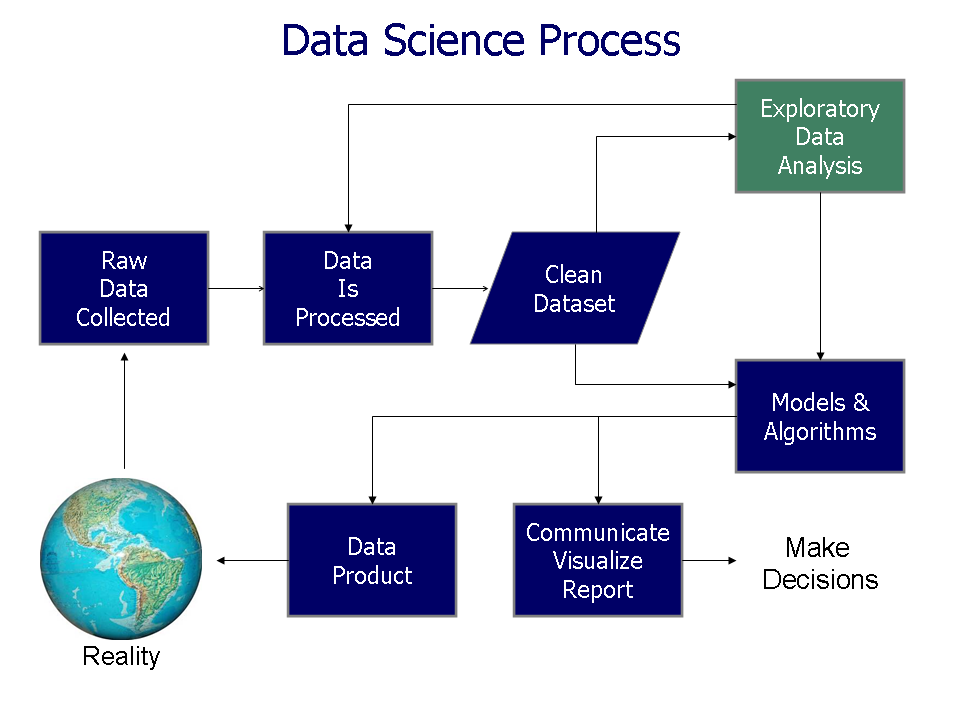
The main stages are:
-
Data Collection: This is where it all begins. Data can come from anywhere: government websites, public surveys, scientific research, or even data you track yourself.
-
Data Cleaning: Raw data is rarely perfect. It might have missing values, typos, or inconsistencies. Cleaning, or 'preprocessing', is the crucial step of tidying up the data to make it usable.
-
Data Analysis: Once the data is clean, the investigation starts. This involves exploring the data, looking for trends, and testing hypotheses. The goal is to find the story the data is telling.
-
Data Visualization: A picture is worth a thousand data points. Creating charts and graphs is essential for understanding the results of your analysis and communicating them clearly to others.
Data Science in the Wild
You don’t need access to a company’s private servers to practice data science. There's a world of public data available that can be used for personal projects or to help non-profit organizations. Working on these kinds of projects is a fantastic way to build skills and make a real-world impact.
For example, you could analyze city data on traffic patterns to suggest improvements for cyclists, examine public health records to find trends in a specific disease, or use election data to visualize voting patterns in your area.
The key is to start with a question you're genuinely curious about. That curiosity will drive you through the challenges of finding and cleaning the data you need to answer it.
Working with Public Data
Working without proprietary data has its own set of challenges. Public datasets are often less structured and may contain more errors or missing information than the curated data inside a company. This isn't a blocker; it's an opportunity.
Learning to handle messy, real-world data is one of the most valuable skills a data scientist can have. It forces you to be creative and resourceful. You might need to combine multiple datasets to get the full picture or use statistical techniques to handle missing information. These challenges make the final insights even more rewarding.
Data science is best described as an interdisciplinary field that combines which three main areas?
Which of the following lists the initial stages of the data science lifecycle in the correct order?
This foundation gives you a map for exploring problems with data. By understanding the core lifecycle and how to apply it to publicly available information, you can start your own data science journey.