Data Science and AI Essentials
Introduction to Data Science
What Is Data Science?
Data science is the practice of using data to understand the world and make better decisions. Think of a data scientist as a detective. They gather clues (data), look for patterns, and build a case (a model or insight) to solve a mystery (a business problem).
The goal is to turn raw, unorganized data into clear, actionable insights.
Why is this so important? Businesses, non-profits, and governments all collect vast amounts of information. Without a way to make sense of it, that information is just noise. Data science provides the tools and methods to find the signal in the noise. It helps a company understand which products customers love, allows a city to predict traffic patterns, and helps scientists identify new trends in medical research.
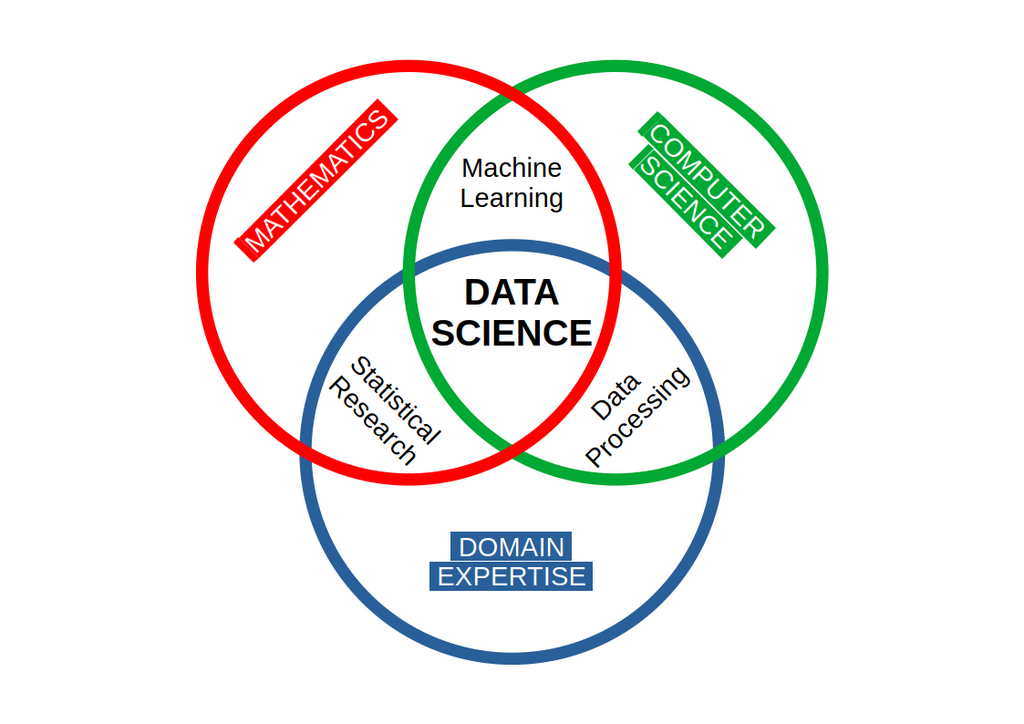
It's an interdisciplinary field, blending skills from three main areas: computer science, statistics, and domain expertise. You need computer science to handle and process the data, statistics to analyze it correctly, and domain expertise to ask the right questions and understand what the answers mean in a real-world context.
The Data Science Lifecycle
A data science project isn't a single event; it's a cycle. While the specifics can change, most projects follow a general path from a question to an answer. This process ensures that the final result is relevant, accurate, and useful.
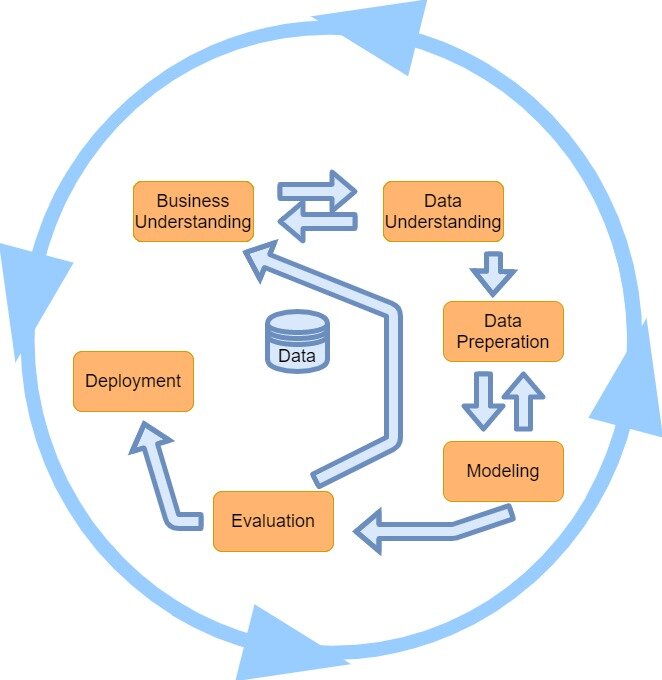
Here are the typical stages:
-
Business Understanding: It all starts with a question. What problem are we trying to solve? This is the most important step. Without a clear goal, any analysis is pointless.
-
Data Understanding: Next, you find the data you need. You'll explore it to see what you have, checking its quality and getting a first look at what it contains.
-
Data Preparation: This is often the most time-consuming part. Raw data is messy. It has missing values, errors, and inconsistencies. This stage involves cleaning and formatting the data so it's ready for analysis.
-
Modeling: Here, you apply statistical and machine learning techniques to find patterns or make predictions. You might build a model to forecast sales or classify customer feedback.
-
Evaluation: Is the model any good? This stage is about testing the model's performance to see if it accurately solves the problem you started with.
-
Deployment: If the model works well, it's put into action. This could mean integrating it into a company's app, creating a dashboard for managers, or publishing a report with key findings.
Roles and Tools
A data scientist is a jack-of-all-trades. They need to be curious, analytical, and good communicators. Their main responsibility is to guide a project through the entire lifecycle, from asking the right initial questions to presenting the final results to people who may not be experts.
To do this, they use a variety of tools. The specific tools depend on the task, but they generally fall into a few key categories.
| Category | Examples | Purpose |
|---|---|---|
| Programming Languages | Python, R | For cleaning, analyzing, and modeling data. |
| Databases | SQL, NoSQL | For storing and retrieving large amounts of data. |
| Big Data Tech | Spark, Hadoop | For processing datasets too large for a single computer. |
| Visualization Tools | Tableau, Matplotlib | For creating charts and graphs to communicate findings. |
Mastering data science is a journey, but understanding these core concepts is the first and most important step. It's all about using data to find answers and drive intelligent action.
What is the primary goal of data science?
Data science is an interdisciplinary field that combines skills from which three main areas?