Data Protection Fundamentals
Introduction to Data Protection
What Is Data Protection?
Think of your personal information like your home. You decide who gets a key, who's allowed inside, and what they can do while they're there. Data protection is the set of rules and practices that act as the locks, doors, and security system for your digital information.
It’s about safeguarding important information from corruption, compromise, or loss. The goal is to ensure data is handled correctly and isn't accessed by people who shouldn't have it.
data protection
noun
The process of safeguarding important information from corruption, compromise, or loss.
Closely related is the idea of data privacy. While protection is about the security of the data, privacy is about the rules for using that data. It focuses on who is authorized to collect, store, and share information, often centered on personally identifiable information (PII). This includes your name, address, government ID numbers, or financial details—anything that can be used to identify you.
In our digital world, countless organizations from social media sites to your local grocery store collect this kind of data. Strong data protection ensures they keep it safe and use it responsibly.
Data privacy is the principle that individuals should have control over how their personal data—also known as personally identifiable information (PII)—is collected, stored, accessed, used, and shared.
The Risks of Getting It Wrong
When data protection fails, the result is a data breach. This is when sensitive, protected, or confidential data is copied, transmitted, viewed, or stolen by an unauthorized individual.
For individuals, the consequences can be severe. A breach could lead to identity theft, financial fraud, or the exposure of private medical information. Imagine a stranger getting access to your bank account or using your name to open new lines of credit. The damage can take years to undo.
For organizations, the fallout is just as serious. A data breach can destroy customer trust, lead to massive financial losses, and result in steep legal fines. A company's reputation, built over years, can be ruined in an instant.
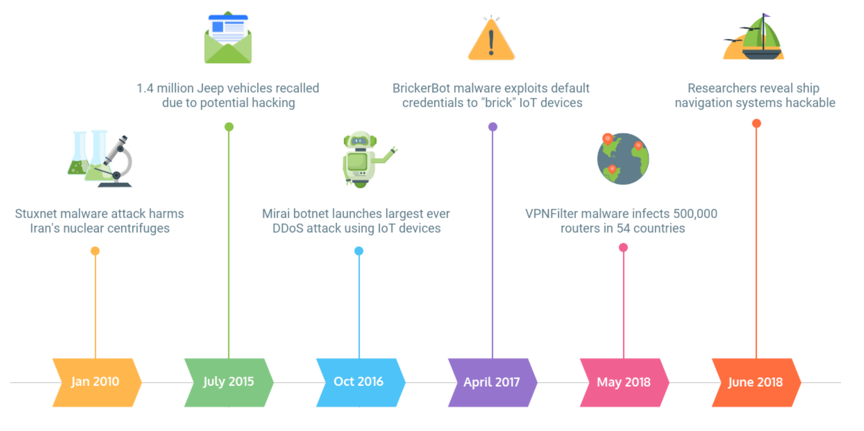
The core risk isn't just about losing data. It's about losing control and trust. Once information is out there, you can't get it back.
Rules of the Road
Because the risks are so high, governments and regulatory bodies around the world have created laws to enforce data protection. These regulations set the standards for how organizations must handle personal data.
The most well-known example is the General Data Protection Regulation (GDPR) in the European Union. However, similar laws exist globally, such as the California Consumer Privacy Act (CCPA) in the United States and the Personal Information Protection and Electronic Documents Act (PIPEDA) in Canada.
While the specifics vary, these laws share common principles:
- Lawfulness, Fairness, and Transparency: Organizations must be open about what data they're collecting and why.
- Purpose Limitation: Data should only be collected for specified, explicit, and legitimate purposes.
- Data Minimization: Collect only the data that is absolutely necessary.
- Accuracy: Personal data must be kept accurate and up to date.
- Storage Limitation: Data should not be kept longer than necessary.
- Integrity and Confidentiality: Data must be protected against unauthorized access or damage.
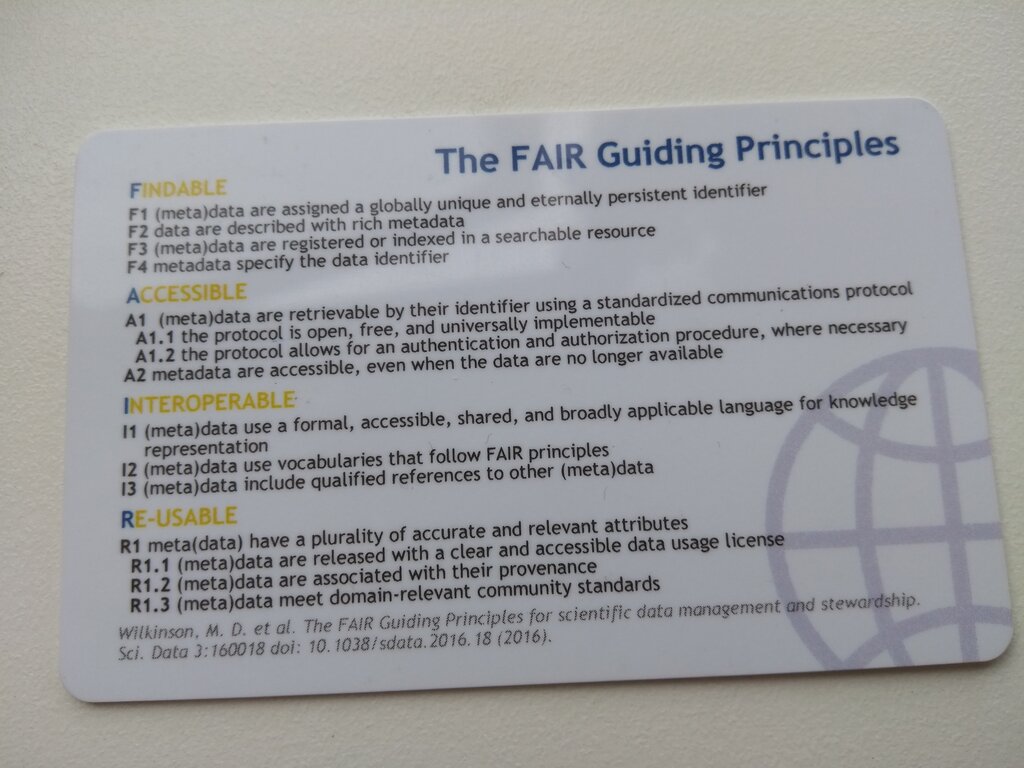
These regulations give individuals rights over their own data, including the right to access it, correct it, and in some cases, have it deleted. For businesses, compliance isn't just a legal requirement—it's a fundamental part of building trust with customers.
Ready to check your understanding?
What is the primary difference between data protection and data privacy?
A company that collects customer data for shipping purposes and then uses that same data for a separate, unstated marketing campaign is violating which data protection principle?
Understanding these core ideas is the first step toward navigating the digital world safely and responsibly. Data protection isn't just a technical issue; it's a human one.