Data Privacy and Legal Frameworks
Introduction to Data Privacy
What Is Data Privacy?
Think of data privacy like a personal conversation. You decide who you share information with, what you share, and how they can use it. In the digital world, data privacy is your ability to control your personal information as it's collected, used, and shared by websites, apps, and companies.
Every time you go online, you leave a trail of data. You might share your location to get directions, your email to sign up for a newsletter, or your credit card number to buy something. Data privacy is about ensuring that this information is handled responsibly and that you have a say in the process.
Data privacy is the principle that individuals should have control over how their personal data—also known as personally identifiable information (PII)—is collected, stored, accessed, used, and shared.
This control is the core of privacy. It’s not about hiding everything, but about choosing what to share and with whom.
Your Digital Footprint
So what counts as personal data? It's any information that can be used to identify you, either on its own or when combined with other information. This is often called Personally Identifiable Information, or PII.
Common examples of personal data include your name, address, email, phone number, date of birth, and government ID numbers. But it also includes digital information like your IP address, location data, browsing history, and even biometric data like fingerprints or facial scans.
Companies collect this data for many reasons. Some are helpful, like saving your address for faster checkout. Others are for marketing, like showing you ads for shoes you just looked at. The amount of personal data being generated and collected is growing exponentially, making it more important than ever to understand who has it and what they're doing with it.
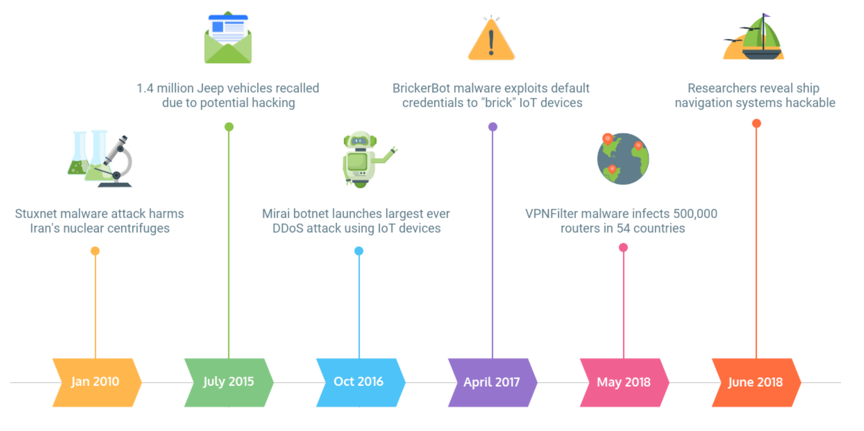
When Data Gets Out
A data breach is when sensitive information is accessed without permission. This can happen through hacking, employee error, or physical theft of devices. The consequences can be serious for everyone involved.
For individuals, the impact of a privacy violation can be immediate and stressful. It can lead to:
- Identity Theft: Criminals can use your stolen information to open credit cards, take out loans, or file fraudulent tax returns in your name.
- Financial Loss: Direct theft from bank accounts or fraudulent charges on credit cards.
- Reputation Damage: Sensitive personal details, photos, or private conversations could be leaked online.
- Personal Safety Risks: Your physical address or real-time location could fall into the wrong hands.
Organizations suffer too. A data breach can destroy a company's reputation, leading to a massive loss of customer trust. They can also face hefty fines, legal battles, and the high costs of fixing the security flaw and helping affected customers. In some cases, a major breach can put a company out of business entirely.
The Balancing Act
Data is incredibly useful. It powers helpful services like maps that navigate us through traffic, streaming platforms that suggest our next favorite movie, and medical research that can save lives. This usefulness is often called "data utility."
But a tension exists between utility and privacy. To get the most utility out of data, organizations often want to collect as much of it as possible. But the more data they collect and share, the higher the privacy risk. Finding the right balance is one of the biggest challenges of the digital age.
The goal isn't to stop using data, but to use it in a way that respects individual privacy. This means companies should collect only what they need, protect it carefully, and be transparent about how they use it. As users, it means we need to be aware of what we're sharing and make informed choices about our data.
What is the core concept of data privacy?
Which of the following is the best example of Personally Identifiable Information (PII)?
Understanding these basic concepts is the first step toward navigating the digital world more safely.