Data Mining Essentials
Introduction to Data Mining
What Is Data Mining?
Think of data mining as a form of digital archaeology. Instead of digging for ancient artifacts, you're sifting through vast amounts of data to uncover valuable, hidden patterns. The goal isn't just to collect data—it's to extract meaningful insights that can be used to make better decisions.
Data mining turns raw data into useful knowledge.
Companies today gather enormous quantities of information, from customer clicks and sales transactions to sensor readings and social media posts. On its own, this raw data is just noise. Data mining provides the tools to find the signal in that noise—identifying trends, predicting future behavior, and discovering previously unknown relationships.
Data Mining
noun
The process of discovering patterns and other valuable information from large sets of data.
A Blend of Disciplines
Data mining didn't appear out of thin air. It evolved from older fields like statistics and database management. As computing power grew and the cost of data storage dropped, it became possible to analyze datasets on a scale that was previously unimaginable. This shift gave rise to a new, interdisciplinary field that combines computer science, statistics, and business knowledge.
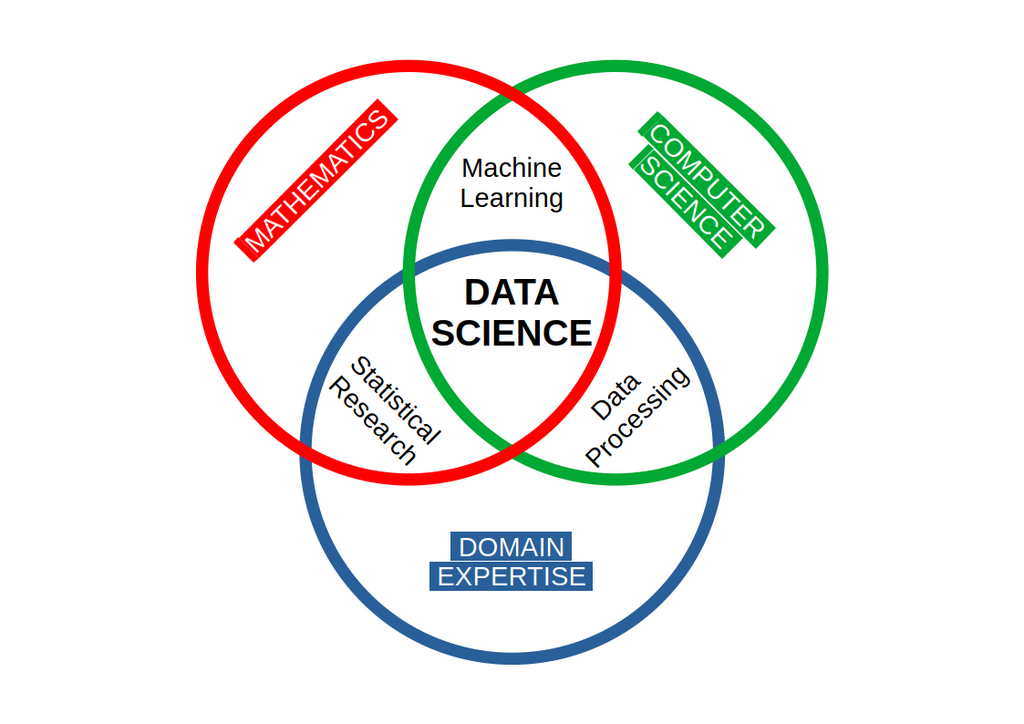
A data miner needs to be part statistician, part computer scientist, and part detective. They use statistical methods to ensure their findings are sound, computer science skills to manage and process the data, and domain expertise to ask the right questions and correctly interpret the results. Without knowledge of the specific industry—be it healthcare, finance, or retail—the patterns they find might be statistically interesting but practically useless.
Data Mining in the Wild
You encounter the results of data mining every day, often without realizing it. It’s the engine behind many of the personalized experiences we now take for granted. From online shopping to fraud prevention, its applications are widespread.
| Industry | Application | Example |
|---|---|---|
| Marketing | Customer Segmentation & Targeted Advertising | A streaming service recommends shows based on your viewing history. |
| Finance | Fraud Detection & Credit Risk Analysis | Your bank flags an unusual transaction on your credit card. |
| Healthcare | Disease Prediction & Treatment Effectiveness | Hospitals analyze patient data to identify individuals at high risk for diabetes. |
| Telecom | Churn Prediction | A mobile provider offers a special deal to a customer likely to switch carriers. |
In each case, organizations analyze historical data to build models that predict future outcomes. A retailer analyzes past purchases to predict what you might buy next. A bank studies fraudulent transactions to learn how to spot them in real-time. This predictive power is what makes data mining so valuable.
The Ethical Tightrope
With great power comes great responsibility. While data mining can bring enormous benefits, it also raises significant ethical questions. The same data that provides personalized recommendations can also be used in ways that compromise privacy.
One of the biggest challenges is ensuring that data is used ethically. This involves protecting individual privacy and guarding against bias.
Bias is another major concern. If the data used to train a model is skewed, the model's predictions will be skewed, too. For example, if a hiring algorithm is trained on historical data from a company that predominantly hired men, it might learn to unfairly penalize female candidates. This can create a vicious cycle where biased data leads to biased algorithms, which in turn reinforce societal biases.
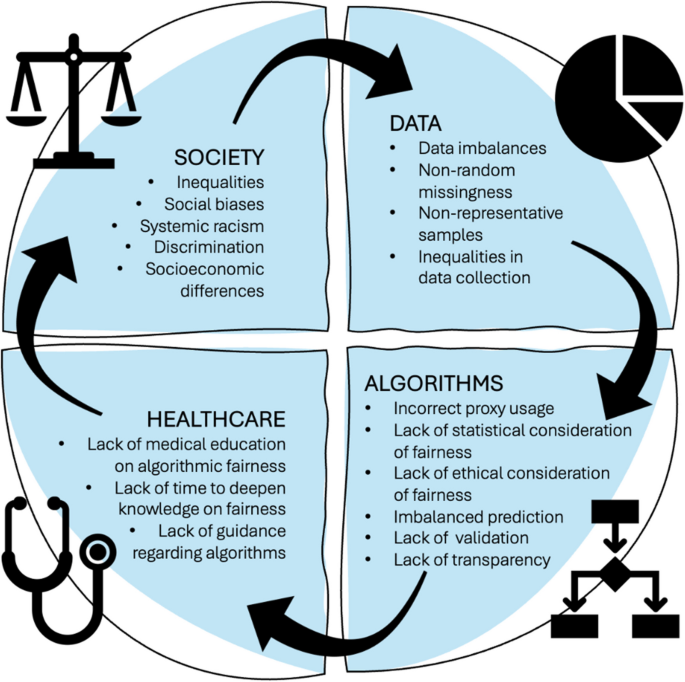
Responsible data mining requires a commitment to fairness, transparency, and accountability. It's not just about what can be done with data, but what should be done.
Time to check what you've learned.
What is the primary goal of data mining?
Data mining is an interdisciplinary field that evolved primarily from which two areas?
Understanding these core concepts is the first step. Data mining is a powerful tool for unlocking the stories hidden within data, but it must be wielded with care and a strong sense of ethical responsibility.