Data Labeling for AI
Introduction to Data Labeling
Teaching a Machine to See
A machine learning model is like a student. To learn a new concept, it needs examples. If you want a model to identify cats in photos, you can't just show it a million pictures. You have to show it pictures and tell it, "This one has a cat," and "This one doesn't." Each time you do that, you're adding a label to the data.
Data Labeling
noun
The process of adding informative tags or annotations to raw data, such as images, text, or audio, to make it understandable for machine learning models.
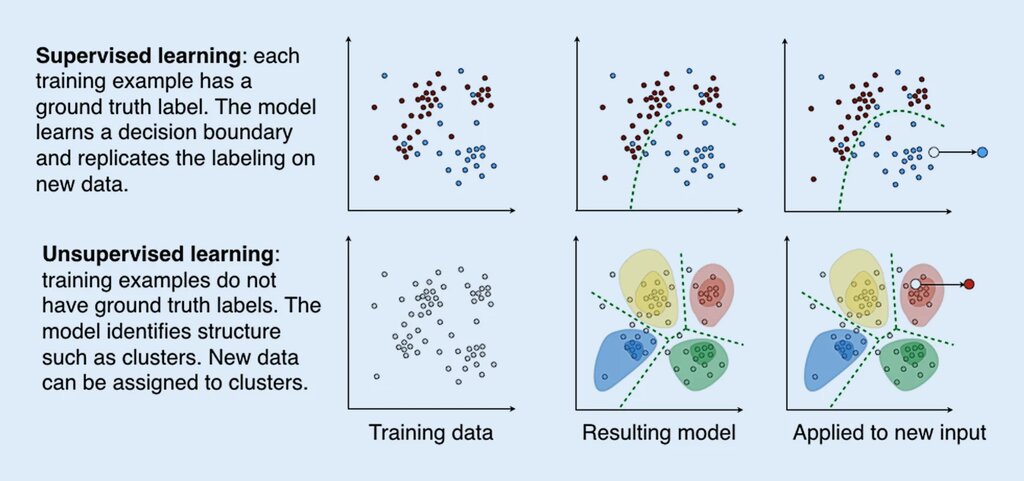
This process is the foundation of supervised learning, one of the most common types of machine learning. The model learns by studying these labeled examples, finding patterns that connect the data to its label. A well-labeled dataset is the difference between a model that works and one that doesn't.
The quality of data labeling often determines the success of machine learning projects.
Labeled vs. Unlabeled Data
Data doesn't always come with neat, helpful labels. In the wild, most data is unlabeled. Think of all the photos on the internet or the audio from a street corner. It's just raw information without any context. The key difference lies in what a machine can do with it.
| Labeled Data | Unlabeled Data |
|---|---|
| Contains explicit tags or annotations. | Raw data with no context. |
| Used for supervised learning tasks. | Used for unsupervised learning tasks. |
| Example: An image of a car tagged with the label "car". | Example: An image of a car with no information attached. |
| More expensive and time-consuming to create. | Abundant and easy to collect. |
Labeled data is the cornerstone of tasks where you want to predict a specific outcome, like identifying spam emails or diagnosing diseases from medical scans. Unlabeled data is used in unsupervised learning, where the goal is to find hidden patterns or structures on its own, like grouping customers based on purchasing habits.
The Labeling Challenge
If labeled data is so crucial, why don't we label everything? Because it's hard. The process can be slow, expensive, and requires a huge amount of human effort. Imagine manually drawing boxes around every car in thousands of hours of traffic video.
Getting high-quality labeled data is often the biggest bottleneck in building a machine learning model.
The quality of the labels is just as important as the quantity. Inconsistent or incorrect labels can confuse a model, leading it to learn the wrong patterns. This is like teaching a child that a dog is a cat. The resulting errors can have serious consequences, especially in fields like autonomous driving or medical diagnostics. Ensuring accuracy and consistency requires clear guidelines and careful oversight, adding another layer of complexity to the process.
What Gets Labeled?
Data labeling isn't just for pictures of cats. It applies to many different types of data, each with its own specific labeling methods.
Images: This involves tasks like object detection (drawing boxes around cars), image segmentation (outlining the exact shape of a pedestrian), or classification (tagging an image as 'day' or 'night').
Text: Text labeling can mean identifying sentiment (is a review positive or negative?), recognizing entities (finding names of people and places in an article), or classifying intent (what is a user asking a chatbot to do?).
Audio: This includes transcribing speech to text, identifying specific sounds like a dog barking, or recognizing the emotion in a person's voice.
Video: Video labeling is often a combination of other types. It might involve tracking an object frame-by-frame or identifying an action that takes place over a period of time, like a person opening a door.
These labeled datasets power many of the AI applications we use daily, from the virtual assistant on your phone to the recommendation engine that suggests your next movie. Without the initial, often invisible, work of data labeling, these systems wouldn't have the knowledge to perform their tasks.
What is the primary difference between labeled and unlabeled data?
Which type of machine learning primarily relies on labeled data to make predictions?
Data labeling is a fundamental step that bridges the gap between raw data and machine intelligence.