Data Governance Mastery for Consultants
Introduction to Data Governance
What is Data Governance?
Think of data governance as the rulebook for an organization's data. It’s a system for managing data as a valuable company asset. Just like a city has traffic laws and building codes to keep things running smoothly and safely, a business needs rules for its data.
Without governance, data can become a messy, unreliable free-for-all. Different departments might use conflicting numbers, sensitive information could be left unprotected, and employees might waste hours trying to find data they can actually trust. Data governance brings order to this potential chaos.
The goal is to ensure data is consistent, trustworthy, and used properly. It answers critical questions like: Who owns this data? Who is allowed to access it? How can we be sure it's accurate?
Data governance provides a framework for data ownership, roles, responsibilities, and standards, ensuring accountability and proper management of data assets.
The Building Blocks
A good data governance program is built on a clear framework. This framework usually includes a few core components that work together to create a cohesive system.
Here’s a breakdown of what these mean:
-
Policies: These are the high-level rules that guide data-related decisions. A policy might state, "All sensitive customer information must be protected from unauthorized access." It sets the intention without getting into technical details.
-
Standards: Standards define the specific criteria needed to meet a policy. For the policy above, a standard could be, "Sensitive customer data must be stored in encrypted databases using AES-256 encryption."
-
Roles & Responsibilities: This clarifies who is accountable for what. Clearly defined roles prevent confusion. Common roles include Data Owners (senior managers accountable for data in their department), Data Stewards (subject-matter experts who manage specific data sets), and Data Custodians (IT staff who manage the technical systems).
Why Bother?
Implementing a data governance program takes effort, but the benefits are significant. When done right, it transforms how an organization operates.
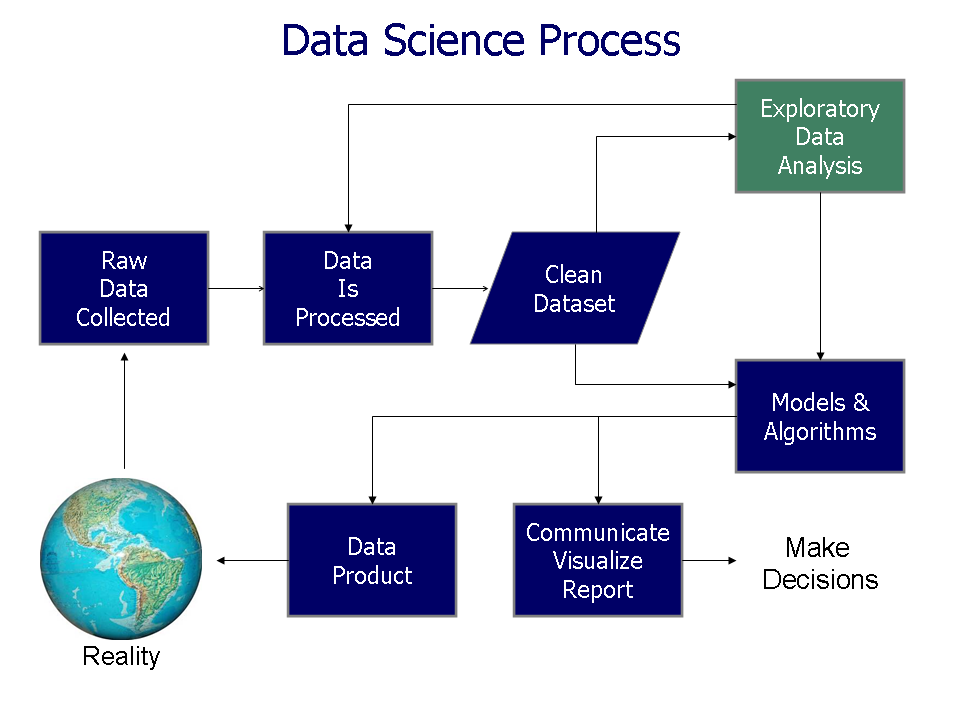
Key advantages include:
- Better Decision-Making: Leaders can trust the numbers they're seeing, leading to more confident and accurate strategic choices.
- Improved Efficiency: Employees spend less time hunting for the right data or questioning its validity. A single source of truth makes everyone's job easier.
- Enhanced Security and Compliance: Governance establishes clear protocols for handling sensitive information, which is crucial for protecting against data breaches and complying with regulations like GDPR.
- Increased Data Value: Well-governed data is an asset. It can be used more effectively for analytics, machine learning, and creating new products and services.
Common Hurdles
Of course, establishing a data governance program isn’t always straightforward. Organizations often run into a few common challenges.
| Challenge | Description |
|---|---|
| Lack of Buy-In | Without support from senior leadership, governance initiatives often fail to get the resources and authority they need. |
| Cultural Resistance | Employees may be used to their old ways of handling data and see new rules as an unnecessary burden. |
| Defining Ownership | It can be difficult to figure out who is truly responsible for each piece of data, especially when it's used by multiple departments. |
| Measuring Success | Quantifying the return on investment (ROI) of data governance can be tricky, making it hard to justify the ongoing effort. |
Overcoming these hurdles requires a strategic approach. It’s important to start small, demonstrate quick wins, and communicate the benefits clearly to everyone involved. Gaining executive sponsorship and building a culture where data is treated as a shared, valuable resource are key steps toward success.
What is the primary purpose of data governance in an organization?
In a data governance framework, what is the key difference between a 'policy' and a 'standard'?
With a solid framework in place, an organization can unlock the true potential of its data while minimizing risks.