Data Engineering Interview Prep Modern Stack
Data Engineering Fundamentals
The Architects of Data
Every day, businesses generate enormous amounts of raw data from sales, website clicks, customer feedback, and more. On its own, this data is like a giant pile of unassembled LEGO bricks – full of potential, but not very useful. A data engineer is the person who builds something structured and reliable out of that mess.
Data engineers are responsible for building systems that collect, manage, and convert raw data into usable information.
Their main job is to design, build, and maintain the pathways that data travels through. They create the infrastructure that allows a company to collect information from many different places, clean it up, and store it in a way that makes it easy for others to access and analyze. They ensure that when a data scientist or business analyst needs reliable data, it’s ready and waiting for them.
The Journey Through a Data Pipeline
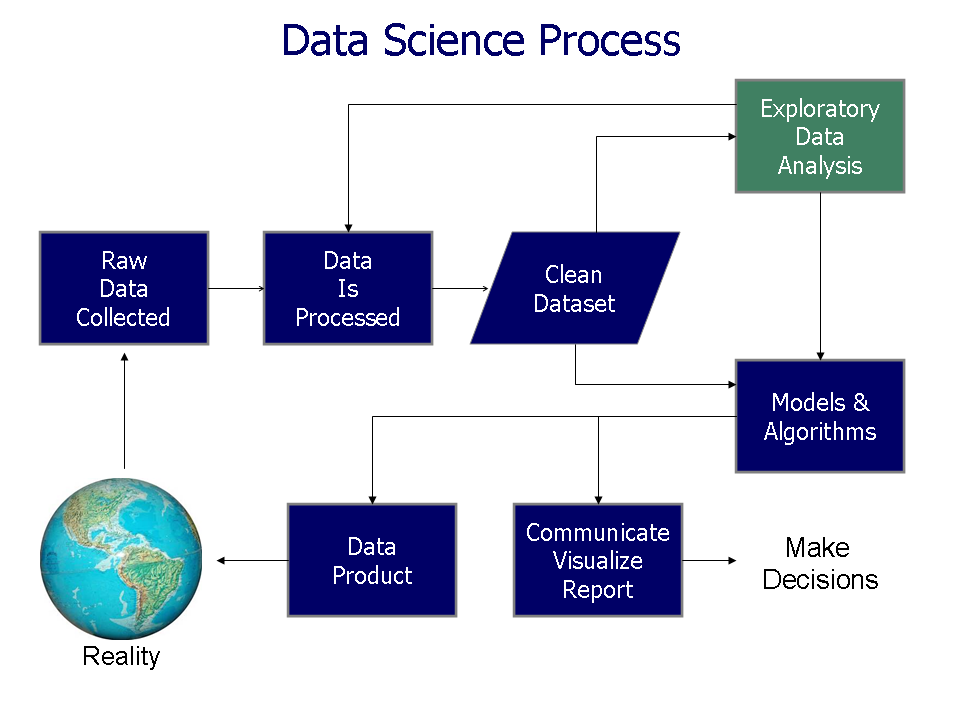
A data pipeline is the system a data engineer builds to move data from one place to another. Think of it as a sophisticated plumbing system for information. It starts at a source, like a mobile app or a sales database, and ends at a destination, such as a data warehouse where information is stored for analysis.
This pipeline isn't just a simple transfer. Along the way, the data is often processed, cleaned, and restructured to make it consistent and useful. The goal is to automate this entire journey so that fresh, high-quality data is always available for making decisions.
The ETL Process
One of the most common processes that happens inside a data pipeline is called ETL. It's a three-step method for getting data ready for analysis.
-
Extract: First, data is pulled from its original sources. This could be anything from a customer relationship management (CRM) system to social media feeds or internal spreadsheets.
-
Transform: This is where the magic happens. Raw data is often messy, inconsistent, or incomplete. In the transform step, it gets cleaned up. This might involve converting dates to a standard format, removing duplicate entries, or combining information from different sources.
-
Load: Once the data is transformed into a clean, structured format, it's loaded into a final destination, typically a data warehouse. From there, it's ready to be used for reporting, analytics, and machine learning.
This E-T-L order is the traditional approach. Some modern systems use a variation called ELT, where raw data is loaded into the destination first and then transformed. The core ideas, however, remain the same.
Why Data Structure Matters
Before loading data into a warehouse, engineers need a plan for how it will be organized. This plan is called a data model. It's a blueprint that defines what data will be stored and how different pieces of data relate to each other.
Imagine trying to find a book in a library with no catalog system and no shelves – just piles of books on the floor. It would be chaos. A data model is like the library's organizational system. It defines the 'shelves' (tables), the information on each book's spine (columns or fields), and how you can find all books by a certain author (relationships).
Creating a good data model ensures that data is stored efficiently, consistently, and in a way that makes sense for the people who will use it later.
Keeping Data Trustworthy
Building a pipeline and a data model isn't enough. The data flowing through the system must be reliable. This is where data quality and data governance come in.
Data quality refers to the accuracy, completeness, and consistency of data. Data engineers implement checks and validation rules within their pipelines to catch errors, fix inconsistencies (like 'CA' vs. 'California'), and handle missing values. Poor data quality leads to flawed analysis and bad business decisions.
Data governance is the overall management of data in an organization. It's a set of rules and policies that define who can access data, how it should be used, and how it is kept secure and private. Good governance ensures that data is not only high-quality but also handled responsibly.
Together, these practices ensure that the data an organization relies on is trustworthy, secure, and ready to generate valuable insights.
Ready to check your understanding? Let's review the core concepts we've covered.
What is the primary role of a data engineer?
Which analogy best describes a data pipeline?
These foundational concepts are the building blocks of the entire data world. By building reliable pipelines, thoughtful models, and robust quality checks, data engineers make modern analytics and AI possible.