Data Engineering for Machine Learning
Data Engineering Fundamentals
The Plumbing of the Data World
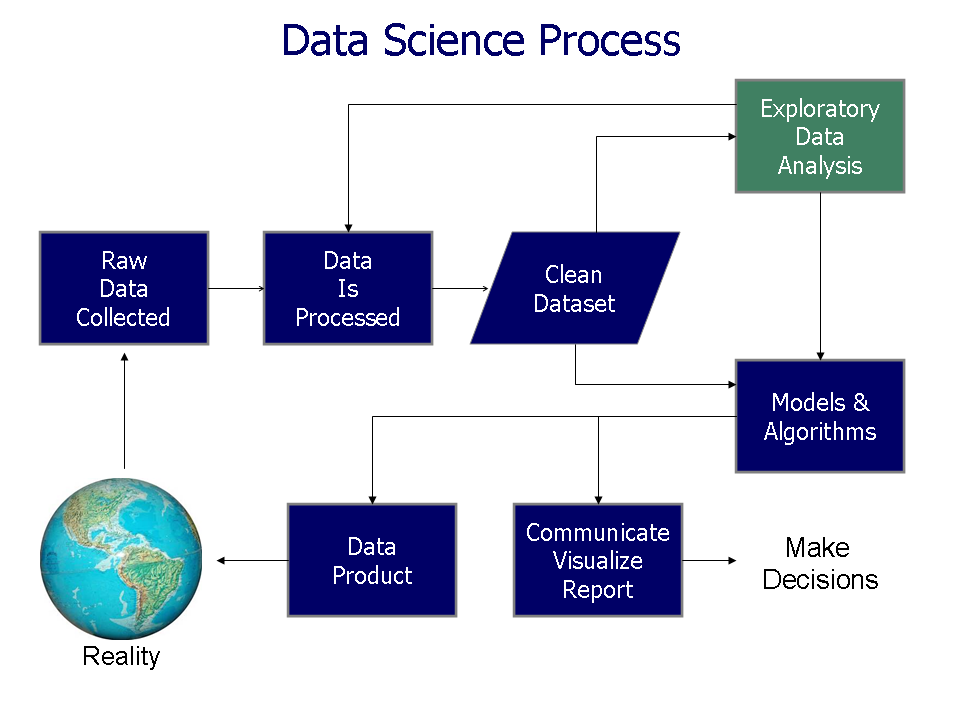
Data scientists and machine learning models get a lot of the spotlight, but they can't do their jobs without clean, reliable data. Making that happen is the work of data engineering. Think of it like a city's water system. Raw water from rivers and reservoirs isn't ready to drink. It needs to be collected, filtered, and then piped to every home. Data engineering does the same thing for information.
It's the behind-the-scenes work of building and maintaining the systems that move data from its raw source to a state where it can be easily used for analysis, reports, and training machine learning models. Without this foundational plumbing, you just have a flood of messy, unusable information.
A data engineer builds the pipelines, storage, and processing systems to transform that raw mess into clean, structured, reliable data that analysts, scientists, and AI models can actually use.
This involves collecting data, cleaning it up, and putting it in a place where it's easy to find and work with. It's the essential first step in any data-driven process.
Getting the Data In
The first step is bringing data into your system, a process called data ingestion. Data can come from all over the place. It might be stored in traditional databases, streamed from a mobile app's user activity, pulled from a partner company's API, or uploaded in simple files like CSVs.
This process has its challenges. Data from different sources often has different formats. Sometimes it arrives in big, scheduled batches, like a daily sales report. Other times, it streams in constantly, like clicks on a website. A good ingestion system needs to handle all of this variety smoothly.
Cleaning and Shaping
Once data is in the system, it's rarely ready to use. It's like getting a big bag of groceries from the store; you still need to wash the vegetables and chop the onions. This stage is called data transformation.
Transformation is about cleaning, structuring, and sometimes enriching the data to make it useful. This might mean correcting typos, filling in missing values, or making sure all dates are in the same format. It can also involve combining data from different sources, like linking a customer's purchase history with their support tickets.
The goal of transformation is to turn raw, messy information into a standardized, trustworthy dataset that everyone in the organization can rely on.
This whole process is often called ETL, which stands for Extract, Transform, Load. You extract data from a source, transform it, and then load it into its final storage destination. A modern variation is ELT, where you extract, load the raw data first, and then transform it within the storage system itself.
| Transformation Type | Before | After |
|---|---|---|
| Cleaning | ["Alice", "Bob", null, "Charlie"] | ["Alice", "Bob", "Charlie"] |
| Structuring | "10/25/2023" | {"year": 2023, "month": 10, "day": 25} |
| Enriching | 94105 | San Francisco |
Where Data Lives
After data is ingested and transformed, it needs a place to live. The two most common types of large-scale data storage systems are data warehouses and data lakes.
A data warehouse stores structured data that has already been cleaned and organized for a specific purpose, usually business analytics. Think of it like a library, where books are neatly categorized on shelves, making it easy to find exactly what you're looking for.
A data lake, on the other hand, is a vast repository that holds all kinds of data—structured, semi-structured, and unstructured—in its raw, native format. It's more like a real lake; you can store anything in it, and you decide how to use it later. This flexibility is great for data scientists who want to explore raw data for new insights.
The choice between a warehouse and a lake depends on the needs of the business. Many organizations use both: a data lake for storing everything, and data warehouses for serving specific, curated datasets to business users.
Quality Control
A data pipeline is only as good as the data flowing through it. That's why data quality and governance are so important. Garbage in, garbage out.
Data quality involves processes to ensure data is accurate, complete, consistent, and timely. This could mean setting up automated checks that alert the team if a daily data feed suddenly shrinks by 50%, or if a product ID doesn't match the known list of products.
Data governance is about setting the rules of the road. It defines who can access what data, how data should be used, and who is responsible for its accuracy and security. It's the framework that ensures data is managed as a valuable and secure company asset.
Without good quality and governance, you can't trust your data, which means you can't trust the analysis or the machine learning models built on top of it. It’s a crucial layer of trust and reliability.
Time to check your understanding of these core concepts.
Which analogy from the text best describes the primary role of data engineering?
What is the key difference between the ETL and ELT processes?
Understanding these fundamentals is the first step. Data engineering creates the reliable foundation that allows data science and machine learning to thrive.