Data Engineering Explained
Introduction to Data Engineering
The Architects of Data
Every organization today is flooded with raw information, from customer clicks to sales figures. But this raw data isn't useful on its own. It's like a pile of lumber and bricks. To build a house, you first need an architect and a construction crew to create a foundation, run plumbing, and wire electricity. In the world of data, that's the job of a data engineer.
Data engineering is the practice of designing and building systems for collecting, storing, and analyzing data at scale.
They create the infrastructure that transforms raw, messy data into a reliable resource that can be used for making decisions. Without data engineering, data scientists would have no data to analyze, and business leaders would be making guesses instead of informed choices. Data engineers build and maintain the data pipelines that are the hidden backbone of the modern data-driven company.
Core Responsibilities
So what does a data engineer do day-to-day? Their work generally falls into a few key areas.
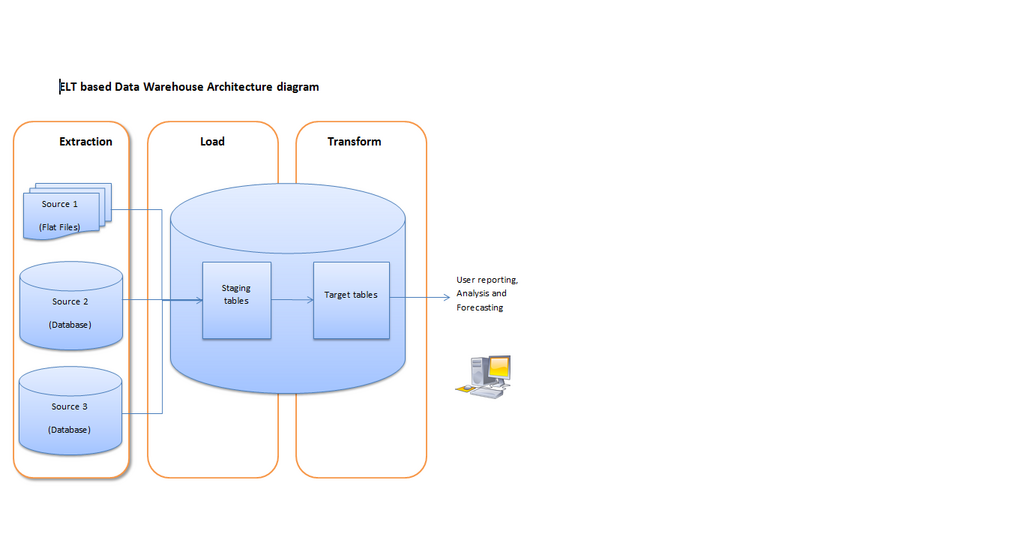
First and foremost, they design, build, and maintain data pipelines. A data pipeline is a series of steps that moves data from a source (like a mobile app) to a destination (like a data warehouse where it can be analyzed). This involves writing code and using various tools to extract data, transform it into a usable format, and load it where it needs to go.
They are also responsible for data quality and reliability. It’s not enough to just move data; it has to be accurate, consistent, and available when needed. Data engineers set up automated checks and monitoring to catch errors and ensure the data flowing through their pipelines is trustworthy. The principle of "garbage in, garbage out" is their constant enemy.
The best data engineers don’t just write pipelines.
Finally, they manage the underlying systems. This means they are responsible for making sure the databases and processing systems are efficient, secure, and can handle growing amounts of data without breaking a sweat.
The First Link in the Chain
Data engineers don't work in a vacuum. They are a critical part of a larger data team and collaborate closely with other roles. Think of them as the first link in the data value chain.
Data engineers provide the clean, prepared data that data scientists use to train machine learning models and uncover complex patterns. They also supply the organized data that data analysts use to build dashboards and reports that track key business metrics.
Without a solid data engineering foundation, both data scientists and analysts would spend the majority of their time trying to find and clean data, rather than analyzing it. By handling the data logistics, engineers empower the rest of the team to focus on their unique skills.
Fueling Better Decisions
Ultimately, the work of data engineering has a direct impact on an organization's ability to make smart decisions. When business leaders have access to timely, accurate, and relevant data, they can answer critical questions.
Which marketing campaign is most effective? Where are the bottlenecks in our supply chain? What features do our customers love most? Answering these questions reliably is only possible when a robust data infrastructure is in place.
In this way, data engineering isn't just a technical role. It's a strategic function that allows a company to truly leverage its data as an asset, turning raw information into insights that drive growth and innovation.
What is the primary role of a data engineer within an organization?
Data engineers are primarily responsible for ensuring data is reliable, consistent, and accurate.