Data Engineering ETL Pipelines Explained
Introduction to ETL
What is ETL?
Companies collect data from all over the place. Customer information might live in one database, sales figures in another, and website traffic logs in a third. To make sense of it all, you need a way to bring everything together into one central location. That's where ETL comes in.
ETL stands for Extract, Transform, and Load. It’s a three-step process for moving data from various sources, cleaning it up, and storing it in a single destination, typically a data warehouse.
Experience building robust ETL (Extract, Transform, Load) pipelines is fundamental to data engineering.
Think of it like preparing a big meal. You extract ingredients from the fridge and pantry, transform them by chopping, mixing, and cooking, and then load the finished meal onto a plate to be served. ETL does the same thing, but with data.
The Three Phases
Let's break down each step of the process. Each phase has a distinct and crucial role in making raw data useful.
1. Extract The first step is to pull data from its original sources. These can be incredibly varied: relational databases like PostgreSQL, customer relationship management (CRM) software, simple text files, or even web APIs. The data at this stage is raw and often inconsistent.
2. Transform This is where the magic happens. The raw data is cleaned, validated, and converted into a consistent format. Transformation can involve many tasks:
- Cleaning: Removing duplicates or correcting errors.
- Standardizing: Making sure dates are all in the same format (e.g., YYYY-MM-DD).
- Enriching: Combining data from different sources, like adding customer zip codes to a sales record.
- Aggregating: Calculating summaries, like total sales per region.
This step ensures the data is reliable and ready for analysis.
3. Load Finally, the newly transformed data is loaded into a central repository, such as a data warehouse. This destination is designed for analysis and reporting. Once loaded, the data is structured, clean, and available for business analysts, data scientists, and decision-makers to use.
Why ETL Matters
ETL is the backbone of data integration. Without it, companies are left with data silos—isolated pockets of information that can't be easily combined. This makes it nearly impossible to get a complete picture of the business.
By creating a single source of truth, ETL empowers organizations to run complex queries, generate accurate reports, and build dashboards for business intelligence. It turns a messy collection of data into a valuable asset for making informed decisions.
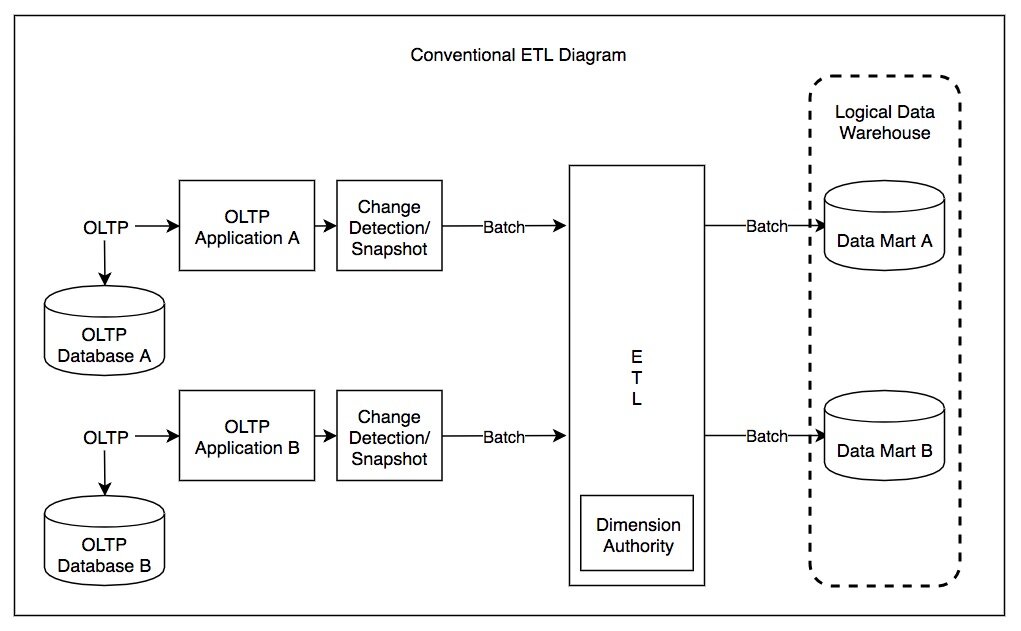
For example, a retail company might use ETL to combine sales data from its stores, inventory data from its warehouse, and customer feedback from its website. The transformed data, loaded into a warehouse, could reveal which products are most popular in which locations, helping the company optimize stock levels and marketing efforts.
ETL vs. Data Pipelines
You might hear the terms "ETL pipeline" and "data pipeline" used interchangeably, but there's a subtle difference.
A data pipeline is a broad term for any system that moves data from one place to another. It's the overarching category.
An ETL pipeline is a specific type of data pipeline where the data is transformed before it's loaded into the destination. Think of it this way: all ETL pipelines are data pipelines, but not all data pipelines follow the ETL pattern.
Another common pattern is ELT (Extract, Load, Transform), where raw data is loaded first and transformed later, inside the data warehouse. The key difference is the timing of the transformation step.
ETL is particularly useful when data sources are messy and require complex cleaning before they can be stored. It's a foundational process for building reliable, analysis-ready datasets that power modern business.