Data Engineering Career Essentials
Introduction to Data Engineering
The Architects of Data
Every day, companies generate massive amounts of data. This data comes from website clicks, sales records, social media, and countless other sources. On its own, this raw data is a chaotic mess. To make any sense of it, it needs to be collected, cleaned, and organized. This is where data engineering comes in.
Think of a data engineer as the architect and plumber for a city's water supply. Before anyone can drink clean water, someone has to build the pipes, filtration plants, and storage towers to get it there reliably. Data engineers do the same for data. They build and maintain the systems that move data from its source to a place where it can be used for analysis and decision-making.
Data engineering is the practice of designing, building, and managing data infrastructure that collects, transforms, and delivers data at scale for analytical and operational purposes.
Without this foundational work, nothing else in the data world can happen. Data scientists can't build accurate predictive models, business analysts can't create insightful reports, and machine learning algorithms can't learn. Data engineering creates the reliable, high-quality data that fuels every data-driven decision.
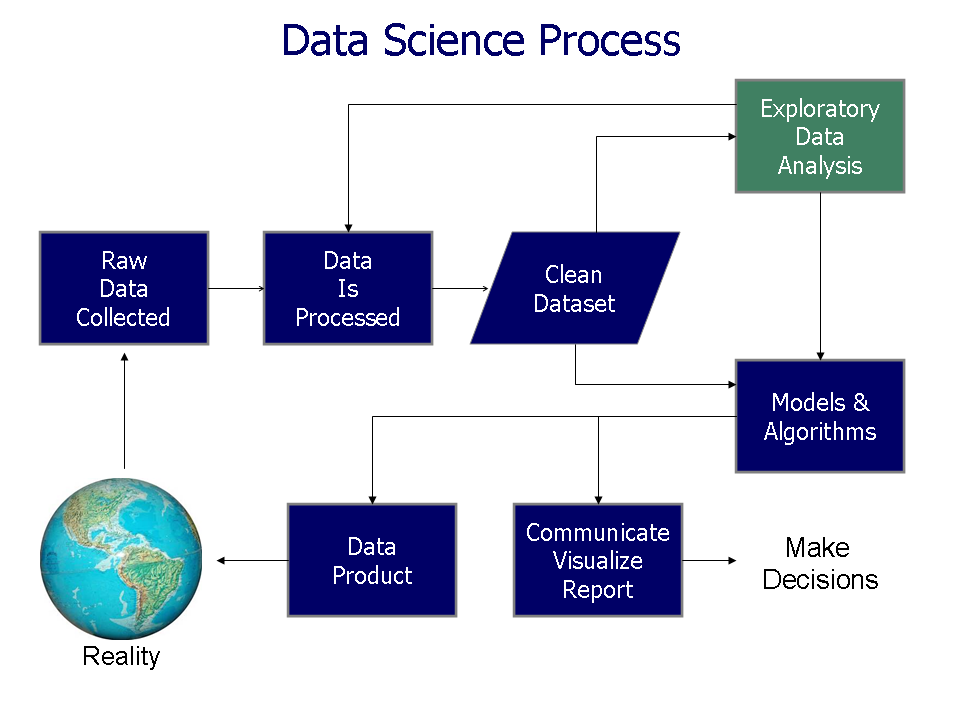
What a Data Engineer Does
The core responsibility of a data engineer is to build and maintain data pipelines. A data pipeline is an automated process that takes data from one system and moves it to another, often transforming it along the way.
Key responsibilities typically include:
-
Designing and Building Systems: They create scalable systems for collecting, storing, and processing data. This involves choosing the right technologies and designing a resilient architecture.
-
Developing Data Pipelines: They write the code that extracts data from various sources (like databases or APIs), transforms it into a clean and consistent format, and loads it into a central repository, like a data warehouse.
-
Ensuring Data Quality: A big part of the job is making sure the data is accurate, complete, and reliable. This involves setting up automated checks and cleaning processes to fix errors or inconsistencies.
-
Collaborating with Others: Data engineers work closely with data scientists, analysts, and other stakeholders. They need to understand what data these teams need and how they plan to use it to build the right infrastructure.
In short, data engineers are responsible for making sure that clean, reliable data is available to the right people at the right time.
The Foundation for Decisions
In a data-driven organization, decisions are made based on evidence from data, not just intuition. Data engineers are the ones who make this possible. They are the first link in the chain of data analysis.
By building a solid data foundation, they empower others to uncover insights. A well-designed data system allows a company to track performance, understand customer behavior, and predict future trends. The work of a data engineer directly enables the dashboards, reports, and machine learning models that guide business strategy.
Let's check your understanding of these core concepts.
What is the primary function of a data engineer, based on the analogy of an architect and plumber for a city's water supply?
A data pipeline is an automated process that extracts data from a source, _______ it into a usable format, and loads it into a destination like a data warehouse.
Ultimately, data engineering provides the structure and reliability needed to turn raw information into a valuable business asset.