Data-Driven Marketing Intelligence Mastery
Data Engineering Fundamentals
The Backbone of Data
Data scientists and analysts get a lot of attention for finding amazing insights, but they can't do their jobs without clean, reliable data. Making sure that data is available, correct, and ready for use is the work of a data engineer. They are the architects of the systems that move and refine information.
The core of their work is building and maintaining data pipelines. Think of a data pipeline as an automated assembly line for data. It pulls raw data from various sources, cleans and reshapes it, and then delivers it to a destination where it can be analyzed. Without these pipelines, data would remain stuck in silos, messy and unusable.
Data engineers create and manage ETL processes that take data from various sources, transform it into a usable format, and load it into a storage system.
The Classic ETL Process
One of the most fundamental patterns for a data pipeline is called ETL, which stands for Extract, Transform, and Load. It’s a reliable, three-step process for getting data from point A to point B in a more useful state.
Extract
verb
The first step is to pull, or extract, the raw data from its original sources. Data can come from anywhere: customer databases, website analytics, third-party APIs, spreadsheets, or sensor logs. The goal here is simply to get a copy of the data to begin working with.
Once extracted, the data moves to the next stage.
The second step, Transform, is where the raw data is cleaned up and put into a useful format. Raw data is often messy, inconsistent, or incomplete. The transformation stage fixes these issues.
Common transformations include:
- Cleaning: Removing duplicate records, correcting typos, and handling missing values.
- Standardizing: Converting data into a consistent format. For example, making sure all dates are in the
YYYY-MM-DDformat or all state names are two-letter abbreviations. - Enriching: Combining data from different sources to create a more complete picture. This could involve adding demographic information to a customer record based on their zip code.
- Structuring: Aggregating data, like calculating total daily sales from individual transaction records.
| Raw Data | Transformation | Transformed Data |
|---|---|---|
"123 Main St." | Standardize Address | "123 MAIN STREET" |
null | Handle Missing Value | "Unknown" |
"9/5/24" | Unify Date Format | "2024-09-05" |
\$1,999.00 | Change Data Type | 1999.00 |
Finally, the Load step involves depositing the newly transformed data into a final storage system. This destination is often a data warehouse, a type of database optimized for analysis and reporting. Once the data is loaded, it's ready for data analysts and scientists to query and build reports from.
Orchestrating the Pipeline
A data pipeline isn't a one-time event. It needs to run on a schedule, perhaps every hour or once a day. It also needs to be monitored to ensure it runs correctly. If one step fails, the system needs to know how to handle the error, maybe by retrying the step or sending an alert to the data engineering team.
This is where a workflow orchestration tool comes in. These tools help define, schedule, and monitor data pipelines. One of the most popular open-source tools for this is Apache Airflow. With Airflow, engineers can define their pipelines as code, creating complex workflows that are easy to schedule, visualize, and debug.
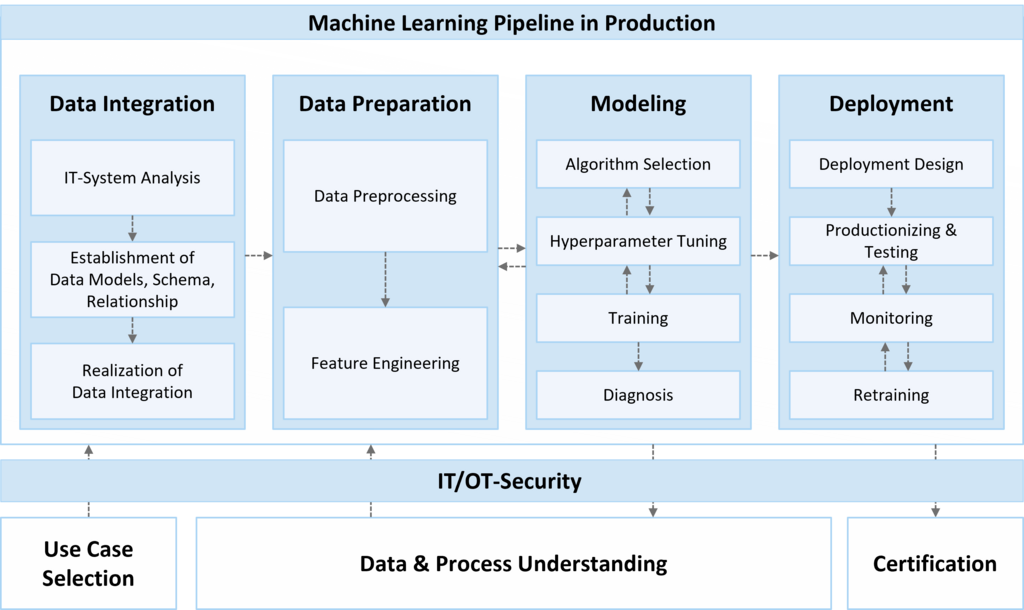
By understanding the fundamentals of ETL and data pipelines, you can see how raw, chaotic data is turned into the structured information that fuels business intelligence and marketing insights.
What does the acronym ETL stand for in the context of data pipelines?
A retail company collects raw transaction data. Which of the following tasks would occur during the 'Transform' stage of an ETL pipeline?