Data Context and Semantics
Data Contextualization Mechanisms
From Structure to Meaning
Data in its raw form is just a collection of values. You might have a table with columns for 'Name', 'Date', and 'Value'. Your database tells you the 'Date' column holds date-formatted data and the 'Value' column holds numbers. This is structural metadata. It defines the data's format and schema, but it doesn't tell you what the data means.
Is it a purchase date or a birth date? Is the value a price in dollars or a temperature in Celsius? To answer these questions, we need a richer layer of context. This is where semantic metadata comes in. It adds meaning, explaining the 'why' behind the data and how different data points relate to each other. It’s the difference between knowing a number is '74' and knowing it's the 'atomic number for Tungsten'.
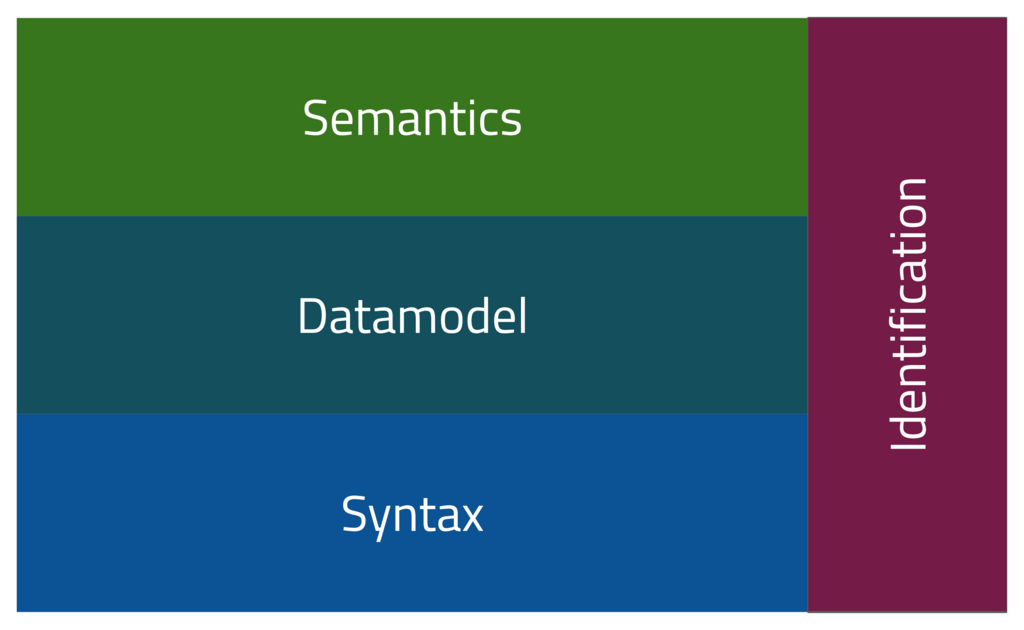
Think of it like a library. The structural metadata is the card catalog system itself, organized by author and title. The semantic metadata is the Dewey Decimal System, which tells you not just where the book is, but what it's about and how it relates to every other book in the library. To build this web of meaning for data, we need a standardized way to express these relationships.
A Language for Meaning
The (RDF) provides a standard model for describing things and their relationships. Instead of storing data in rigid tables, RDF uses a flexible graph structure. The basic building block of RDF is a simple statement called a triple, which is like a basic English sentence.
Each triple consists of a subject, a predicate, and an object.
- Subject: The thing you are describing.
- Predicate: The property or relationship.
- Object: The value or another thing.
For example, the statement "The book Moby Dick was written by Herman Melville" can be broken down into a triple: the subject is Moby Dick, the predicate is was written by, and the object is Herman Melville.
Avoiding Confusion with URIs
An RDF triple is great for one-off statements, but what happens when you combine data from thousands of sources? There might be thousands of people named 'Herman Melville' and hundreds of books titled 'Moby Dick'. How does a computer know which one you mean?
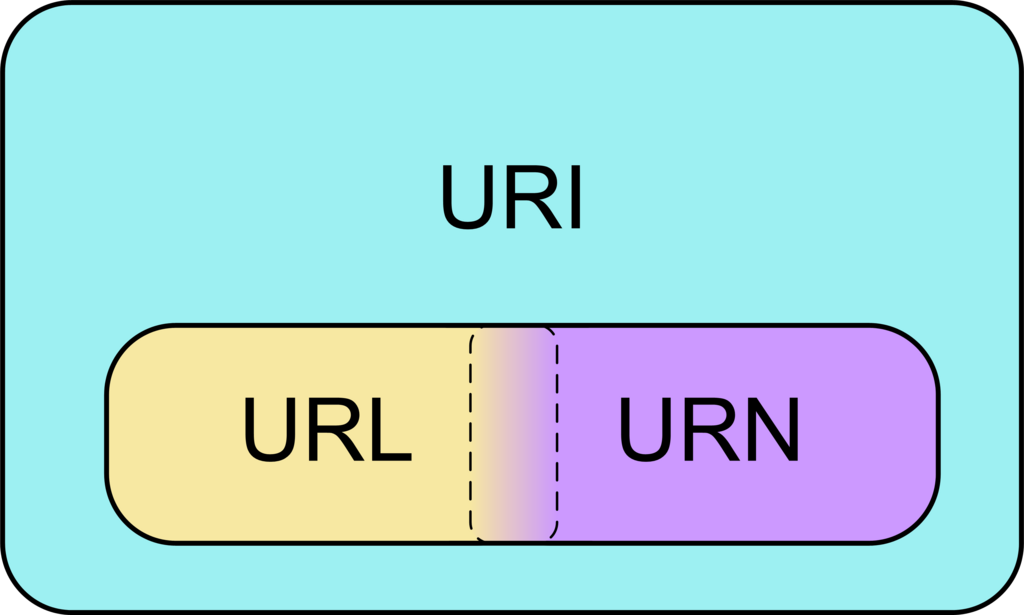
This is solved using a (URI). A URI is a globally unique string of characters that identifies a specific resource, whether it's a digital document or a real-world object like a person. It acts like a unique ID card for every concept.
Organizations define namespaces, which are collections of URIs under a common base address, to create their own vocabularies. For instance, a library might define http://mylibrary.org/terms/author as the URI for the 'author' relationship. By using unique URIs for subjects, predicates, and objects, data becomes unambiguous and machine-interpretable.
Making Data Self-Sufficient
When data is enriched with semantic metadata using RDF and URIs, it becomes self-describing. You don't need a separate document explaining that column pub_d means 'publication date'. The context is baked right into the data itself. This principle is a cornerstone of the FAIR Data Principles, a set of guidelines for making data more valuable and reusable.
FAIR stands for Findable, Accessible, Interoperable, and Reusable.
Rich metadata is what makes data findable through searches. Using standard vocabularies (via URIs) makes it interoperable, allowing it to be combined with other datasets. By providing clear context, metadata ensures the data is reusable for future, unforeseen applications. Contextualization transforms isolated data points into a connected, understandable web of knowledge.
Now, let's check your understanding of these contextualization mechanisms.
What is the primary role of semantic metadata?
An RDF statement, or triple, consists of a subject, a predicate, and a(n) ______.
By adding layers of meaning, we enable data to be understood and used far beyond its original purpose.