Data Centers in Space
Data Center Basics
The Heart of the Internet
Every time you stream a movie, check your email, or post a photo online, you're using a data center. You might not see it, but these facilities are the physical backbone of our digital world. They are specialized buildings that house the computer systems and components that keep the internet running.
Data centers are the building blocks of IT business organizations providing the capabilities of centralized repository for storage, management, networking and dissemination of data.
Think of a data center as a massive, highly secure library for digital information. Instead of books, it holds thousands of powerful computers called servers. These servers work around the clock to store data, run applications, and deliver content to users all over the globe. The goal is to provide a reliable, secure, and always-on environment for this critical hardware.
Inside the Machine
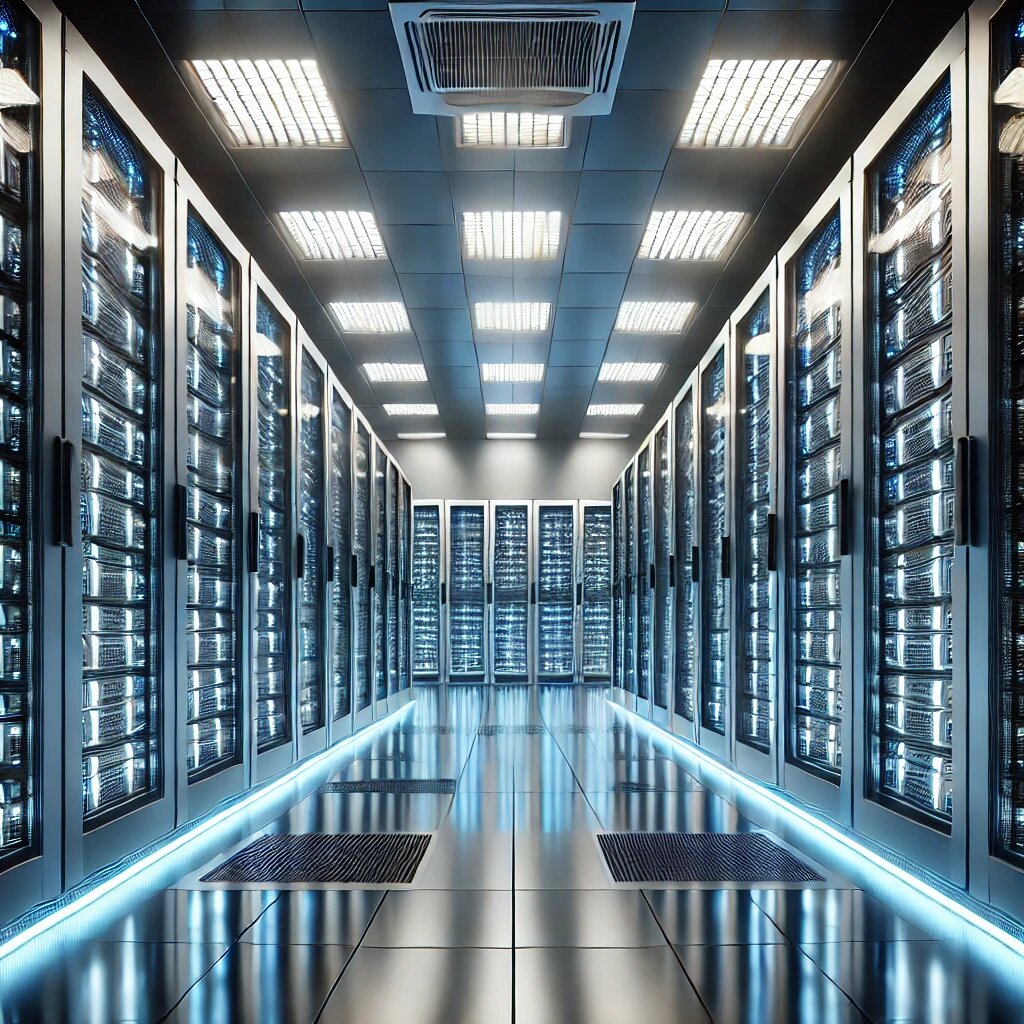
Data centers are packed with powerful equipment. The three main components work together to handle the flow of information.
Server
noun
A powerful computer that provides data or services to other computers, known as clients, over a network. In a data center, they are typically mounted in racks.
Servers are the workhorses. Each one is a high-performance computer dedicated to tasks like hosting websites, running cloud applications, or processing large amounts of data. They are usually slim and designed to be stacked vertically in tall metal frames called racks.
Storage Systems hold the vast amounts of data. This includes everything from your social media photos to corporate databases. These systems can be arrays of hard disk drives (HDDs) or faster solid-state drives (SSDs), all designed for reliability and quick access.
Networking Equipment acts as the circulatory system. This includes switches, routers, and fiber optic cables that connect all the servers to each other and to the outside world. This complex web ensures that data can travel quickly and efficiently to wherever it needs to go.
Keeping It Cool and Powered
Thousands of computers running 24/7 generate an enormous amount of heat. If left unchecked, this heat would cause equipment to overheat and fail. That's why a significant part of any data center is dedicated to environmental controls.
Cooling systems are just as critical as the servers themselves. Without them, a data center would quickly shut down.
Cooling is essential. Data centers use advanced air conditioning systems, often involving chilled water or sophisticated airflow management, to keep temperatures stable. You might see raised floors that allow cool air to be pumped up through vents directly into the server racks.
Power is the other critical utility. Data centers consume a massive amount of electricity. To ensure they never go dark, they have redundant power sources. This means they are connected to the main electrical grid but also have backup systems like uninterruptible power supplies (UPS), which are essentially giant batteries, and powerful diesel generators that can kick in during a prolonged outage.
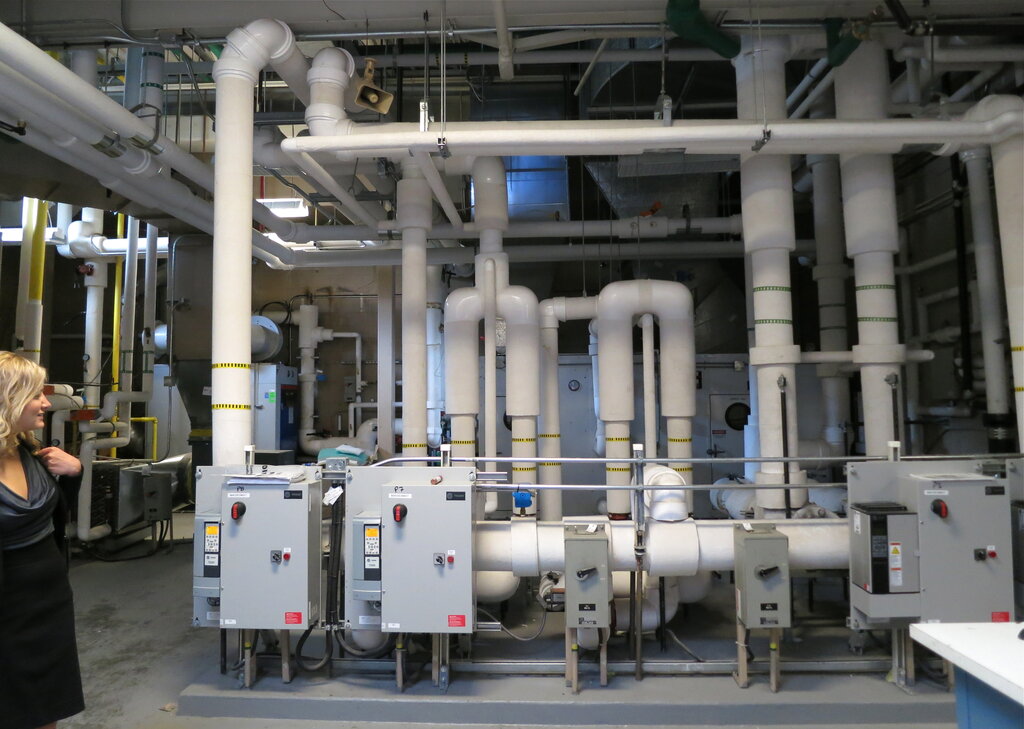
These systems work in harmony to create a stable environment where digital services can operate without interruption. Every component, from the servers to the cooling pipes, is designed with reliability and efficiency in mind, forming the foundation of our connected lives.
Time to check your understanding of the core concepts.
What is the primary function of a data center?
Which of the following is NOT considered one of the three main components of a data center's IT infrastructure?
Data centers are the unseen engines of the digital age, quietly processing, storing, and moving the data that shapes our daily experiences.