Data Centers Explained
Introduction to Data Centers
What Is a Data Center?
Think of a data center as the brain of the internet. It's a dedicated building filled with powerful computers, called servers, that store, process, and manage the data we use every day. When you stream a movie, check your email, or use a cloud app, you're connecting to a data center somewhere in the world.
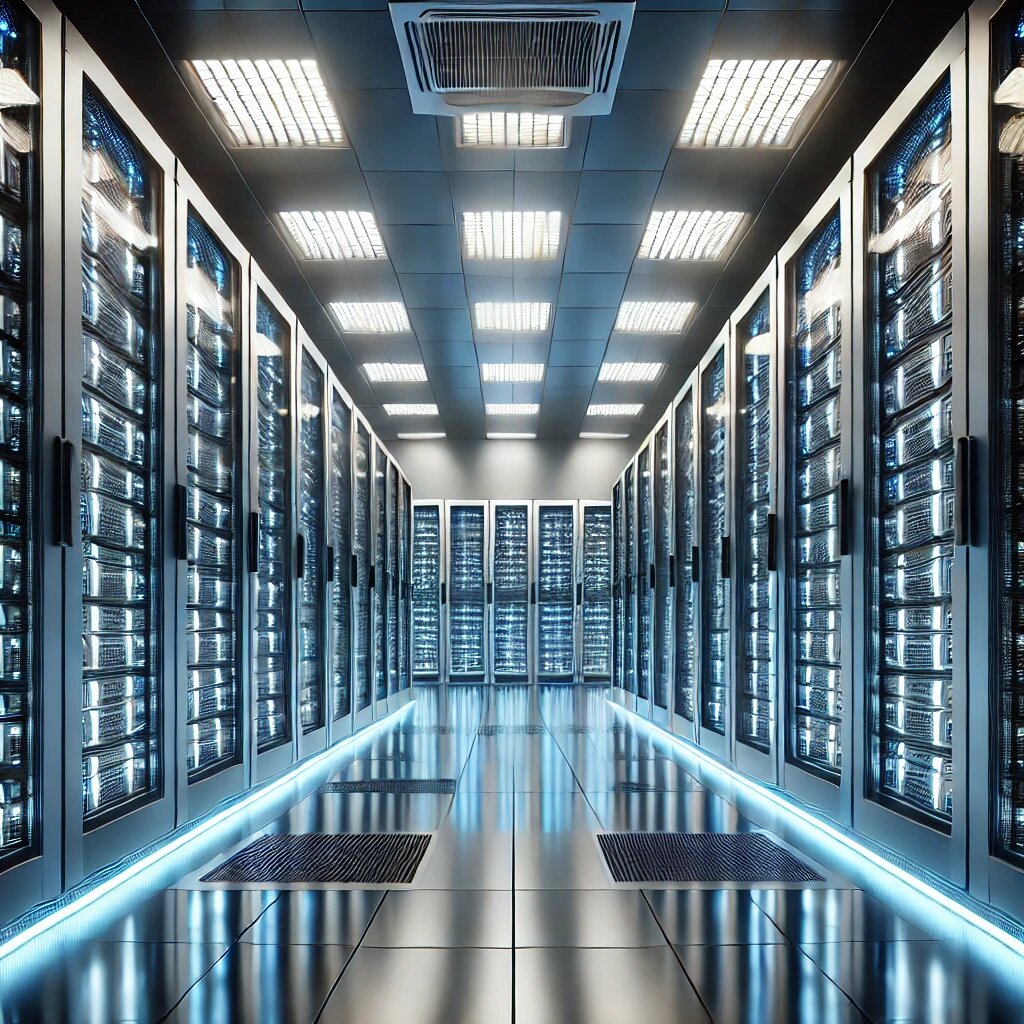
These facilities are much more than just rooms full of computers. They are highly specialized environments designed to keep everything running smoothly and securely 24/7. Their primary job is to ensure the applications and data they hold are always available.
The essential function of a data center is to store, process, and transmit data.
The Key Ingredients
A data center has a few core components. First, there are the servers themselves, which do the actual computing. Then there are storage systems, which hold the vast amounts of data. Finally, networking equipment like switches and routers connects everything and links the data center to the outside world.
But the technology is only half the story. The building itself is just as critical. Data centers need massive amounts of reliable electricity to run. To prevent outages, they have redundant power supplies, including battery backups and huge diesel generators. All those computers generate a lot of heat, so sophisticated cooling systems are essential to prevent them from overheating. Physical security is also paramount, with features like guards, surveillance cameras, and biometric access control to protect the valuable information inside.
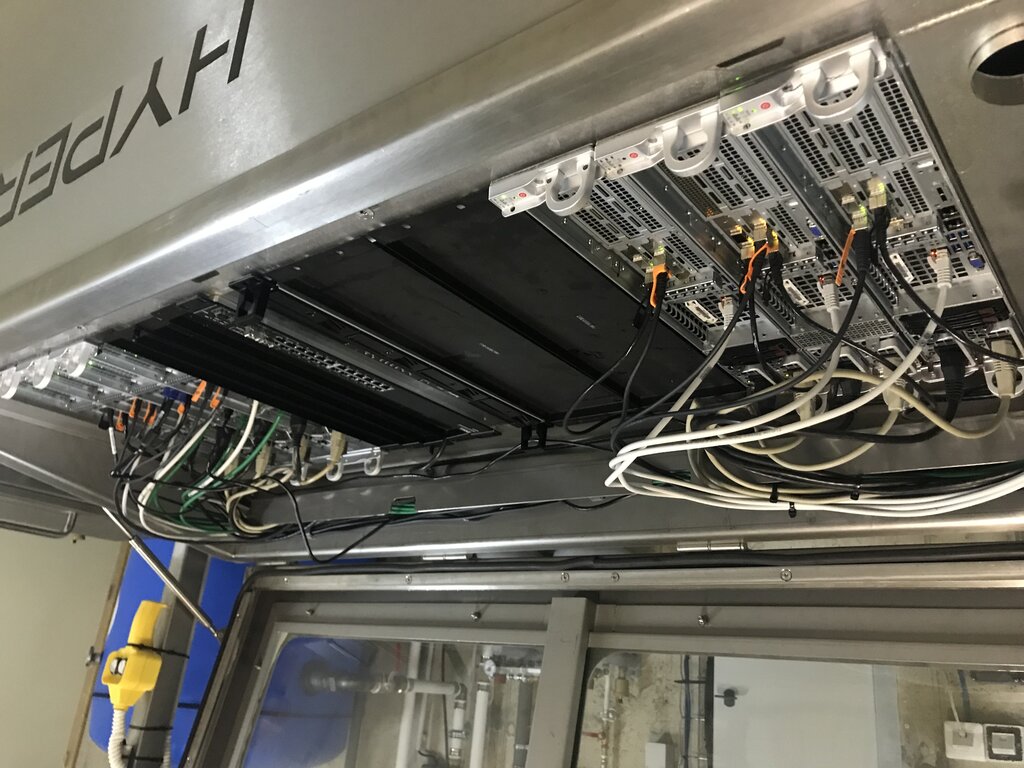
This focus on redundancy and protection is crucial for what's known as business continuity. If a company's website goes down or its data is lost, it can be a disaster. Data centers are built to withstand power failures, equipment malfunctions, and even natural disasters, ensuring the services we rely on stay online.
From Closets to the Cloud
Data centers weren't always the massive facilities we see today. Decades ago, most companies had their own small server rooms—sometimes not much bigger than a closet. This setup was expensive to maintain and difficult to scale.
The rise of the internet and cloud computing changed everything. Instead of every company running its own mini data center, large tech companies began building enormous, hyper-scale facilities. These offer computing power and storage as a service. When you use services like Amazon Web Services (AWS), Google Cloud, or Microsoft Azure, you're renting a small piece of one of these massive data centers.
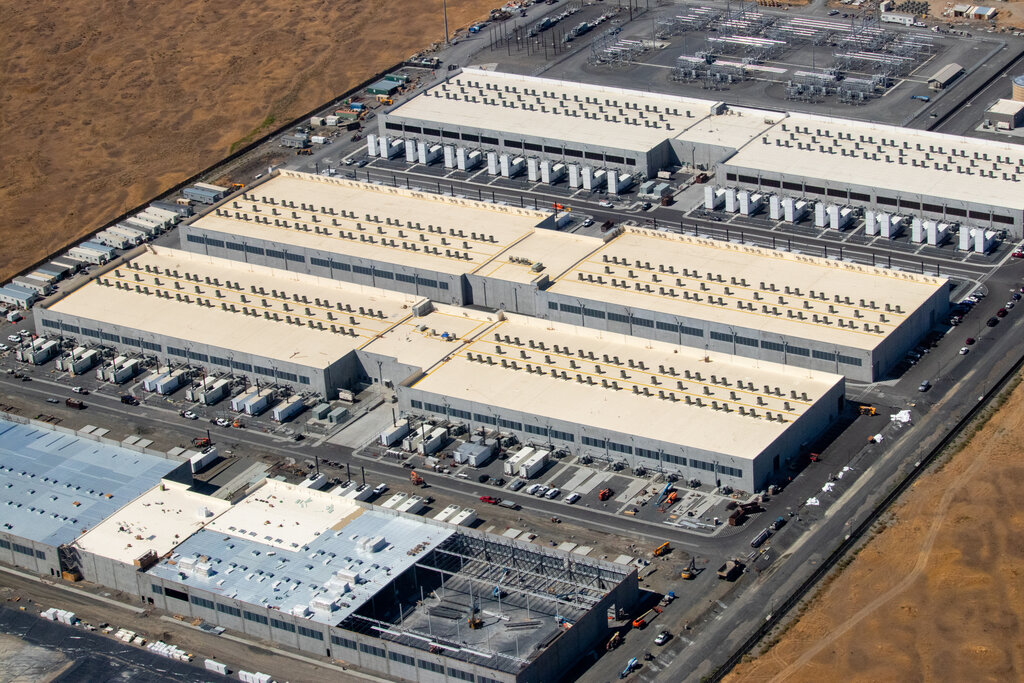
This shift powers much of the modern digital world, from video streaming and social media to artificial intelligence and machine learning, which all require tremendous computational power.
The Energy Question
Running millions of servers around the clock consumes a staggering amount of electricity. Cooling these facilities also requires a lot of energy. This has made data centers a significant contributor to global energy demand and carbon emissions.
As large consumers of power, data centers account for approximately 1% of global electricity usage and between 3-4% of global greenhouse gas emissions.
In response, the industry is increasingly focused on sustainability. Many new data centers are being built in locations with access to renewable energy sources like wind, solar, or hydropower. Companies are also developing more energy-efficient servers and innovative cooling techniques to reduce their environmental footprint.
What are the three core technology components of a data center?
Why is redundancy, such as having both battery backups and diesel generators, a critical feature of a data center's design?
Data centers are the physical foundation of our digital lives, housing the critical infrastructure that keeps information flowing and services running.