Data Center Shareback Financing Explained
Introduction to Data Centers
The Heart of the Internet
Every time you stream a movie, send an email, or post a photo, you're using a data center. Think of them as the powerful, unseen engines of the digital world. They aren't just big rooms full of computers; they are specialized facilities that house the critical infrastructure that makes modern life possible.
Essentially, data centers are the physical home for the data and applications we rely on every day.
The core purpose of a data center is simple: to store, process, and manage data. They provide a secure, reliable environment for the servers and storage systems that run everything from banking websites to social media networks. Without them, the internet as we know it would not exist.
What's Inside?
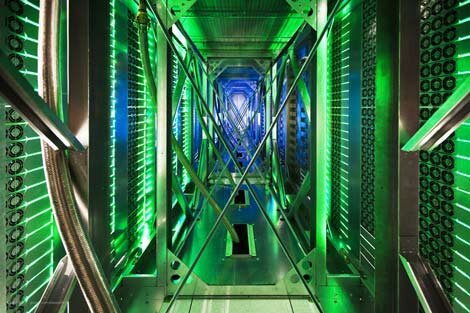
A data center is more than just a collection of machines. It’s a complex ecosystem where every component has a critical role. The three main pillars of a data center's IT equipment are servers, storage, and networking.
| Component | Function |
|---|---|
| Servers | The 'brains' of the operation. These powerful computers run applications, process information, and perform calculations. They are typically mounted in tall racks to save space. |
| Storage | The 'memory.' This includes hard disk drives (HDDs) and solid-state drives (SSDs) that store the vast amounts of data—from your family photos to corporate databases. |
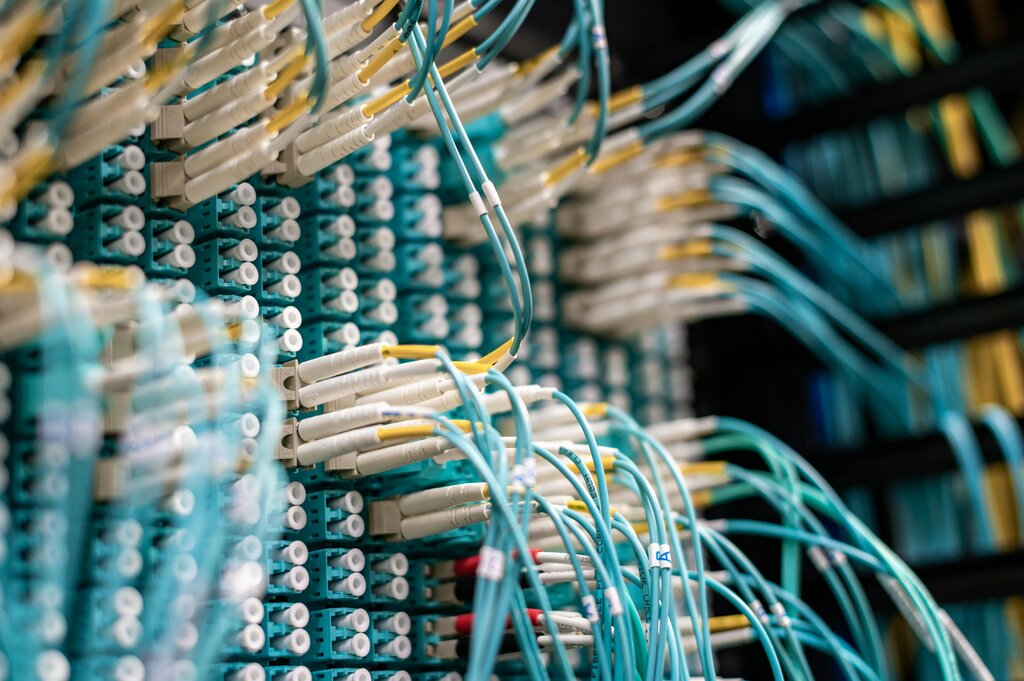
| Networking | The 'nervous system.' This consists of routers, switches, and fiber-optic cables that connect the servers and storage systems to each other and to the outside world via the internet. |
Beyond the IT gear, a data center relies on a massive support infrastructure. This includes robust power systems with backup generators, sophisticated cooling systems to prevent overheating, and multi-layered physical security to protect the valuable data within.
A Tour of Data Center Types
Data centers come in various shapes and sizes, each designed for a specific purpose. Understanding the main types helps clarify how the digital world is organized.
An enterprise data center is a facility owned and operated by a single organization for its own internal use. Think of a large bank or university that manages its own IT infrastructure on-site.
A colocation facility is like a shared apartment building for servers. The facility owner provides the building, cooling, power, and security, while multiple businesses rent space to house their own servers and equipment. This is a popular option for companies that want the benefits of a top-tier data center without the cost of building one themselves.
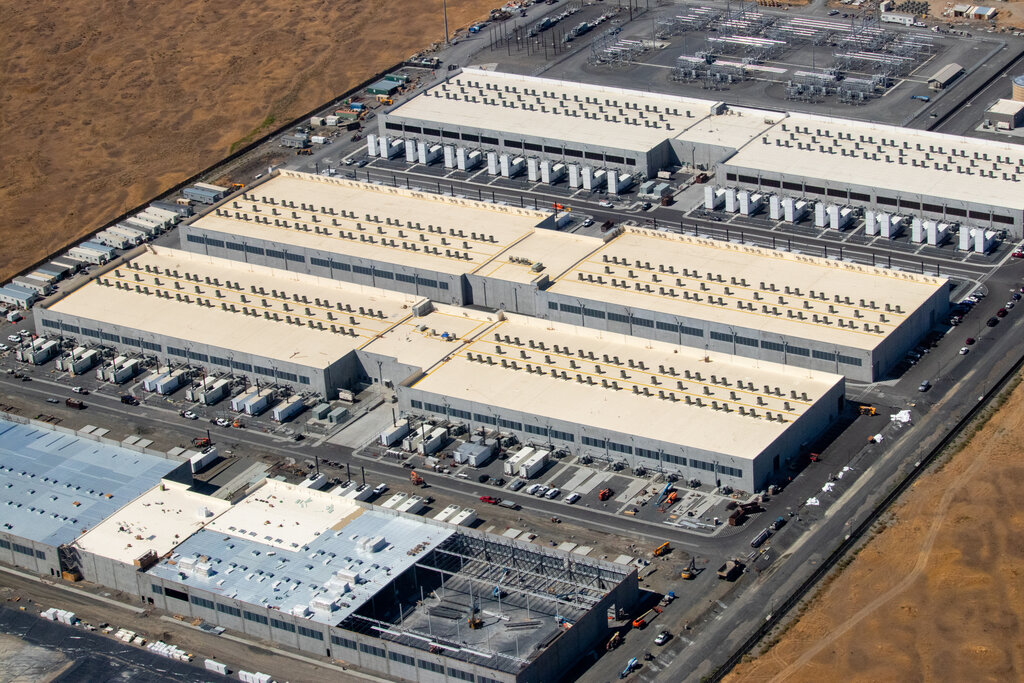
Hyperscale data centers are the massive facilities run by tech giants like Amazon, Google, and Microsoft. They are built on an enormous scale to support cloud computing services for millions of customers. Their size allows for incredible efficiency and the ability to handle huge, fluctuating workloads.
A cloud data center is a collection of distributed facilities designed to provide global cloud-based services.
Finally, edge data centers are a newer, growing category. These are smaller facilities located closer to where people and devices are actually using data—in or near major cities, for example. By processing data locally, they reduce delays (latency) for applications that require near-instantaneous response times, like self-driving cars or streaming video games.
Time to check your understanding of these core concepts.
What is the primary function of a data center?
A colocation facility is where a business rents space to house its own servers and equipment.
These facilities are the bedrock of our connected world, silently and efficiently managing the flow of information that defines our time.