Data Center Network Essentials
Data Center Network Basics
The Network's Blueprint
A data center is more than just a room full of servers. It’s a complex ecosystem where thousands of machines work together. The nervous system that connects all these components is the data center network. It's the invisible infrastructure that allows data to move between servers, storage systems, and out to the internet.
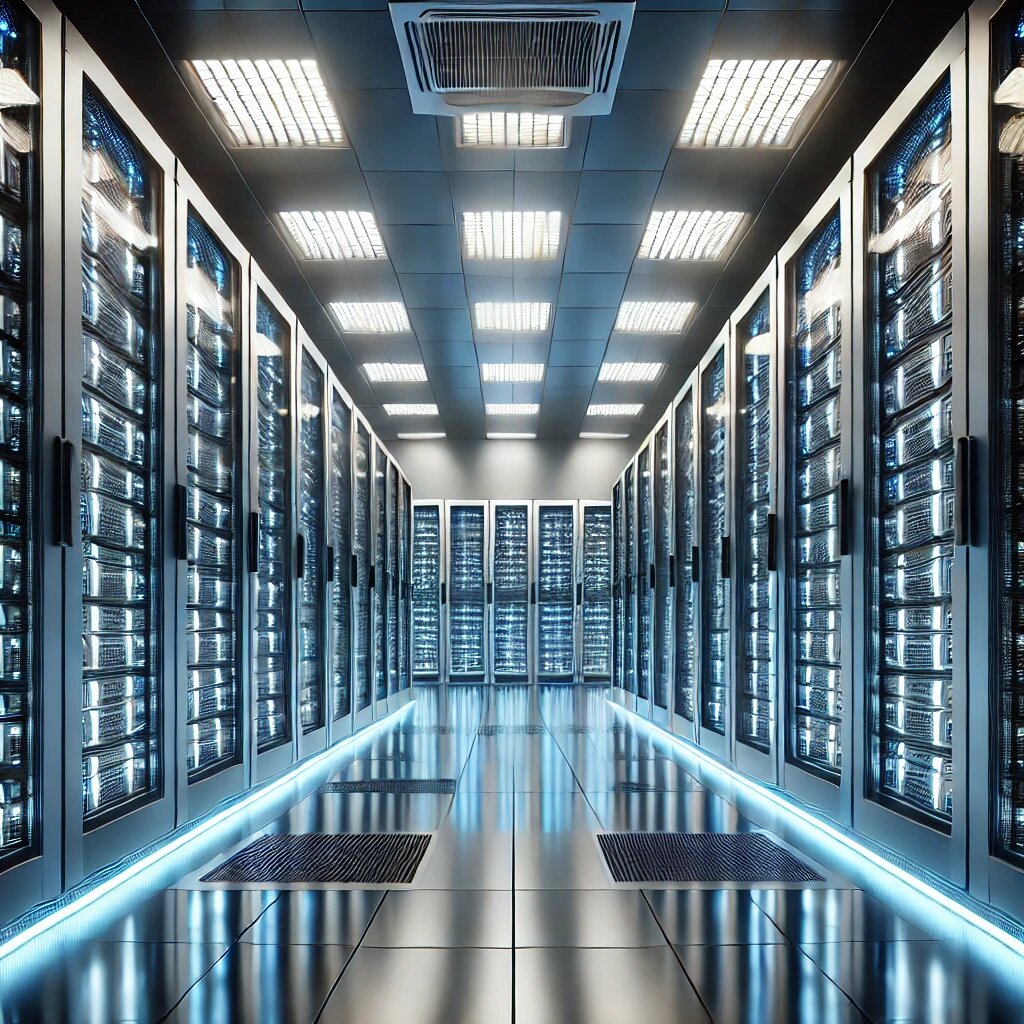
To manage this complexity, networks are designed with a clear, logical structure. The most common design is a hierarchical model, which organizes the network into distinct layers. This approach makes the network predictable, scalable, and easier to manage. Think of it like a city's road system, with local streets, bigger boulevards, and massive highways, each serving a specific purpose.
A Three-Layered Structure
The traditional data center network is built on a three-layer model: the Access, Aggregation, and Core layers. Each layer has a specific job, and together they ensure that data gets where it needs to go efficiently.
The Access Layer is where servers physically connect to the network. Switches in this layer are the on-ramps for server traffic. Often, you'll find an
A top-of-rack (ToR) switch sits at the top of a server rack and connects all the servers within that single rack. This simplifies cabling and keeps traffic between servers in the same rack fast and local.
The Aggregation Layer acts as a middle-man. It gathers traffic from multiple access switches and connects them to the core of the network. This layer is also where network services are often implemented. Think of it as a set of major boulevards that collect traffic from smaller streets before funneling it onto the highway.
The Core Layer is the network’s backbone. It's a high-speed superhighway responsible for transporting large amounts of traffic quickly and reliably. The core doesn’t perform any complex packet manipulation; its only job is to switch traffic as fast as possible. Reliability is key here. The core layer connects multiple aggregation layers and provides the gateway to the internet.
Meet the Network's Key Players
This layered architecture is built using specialized hardware. While many devices are involved, four are fundamental to understanding how a data center network operates.
Switch
noun
A device that connects other devices together on a computer network by using packet switching to receive and forward data to the destination device.
Switches are the most common device in a data center. They operate at the Data Link layer (Layer 2) of the network model. They create a network by connecting multiple devices, like servers and storage arrays. A switch understands the unique MAC address of every device connected to it, so when a piece of data arrives, it knows exactly which port to send it out on to reach its destination. They are like local mail sorters for a single office building, ensuring letters get to the right person on the right floor.
Router
noun
A device that forwards data packets between different computer networks, creating an overlaying internetwork.
Routers connect different networks together. They operate at the Network layer (Layer 3) and use IP addresses to direct traffic. While a switch connects devices within one network, a router connects that network to other networks, like the internet. A router's job is to look at the destination IP address of incoming data and decide the most efficient path to send it on its way. They are the postal service connecting different cities, figuring out the best route for your package to travel across the country.
Firewalls act as security guards for the network. Positioned between the data center and the outside world (or even between different internal zones), a firewall inspects incoming and outgoing traffic. It decides whether to allow or block specific traffic based on a set of security rules. This helps protect the network from unauthorized access and cyberattacks.
Load Balancers are like traffic directors. When a website or application gets a huge amount of traffic, one server might not be able to handle it all. A load balancer sits in front of a group of servers and distributes incoming requests evenly across them. This prevents any single server from becoming overwhelmed, ensuring the application stays fast and available for all users.
Together, these layers and devices form the foundation of a data center network, creating a structured, manageable, and scalable system for handling the massive flow of digital information.