Data Center Landlords Explained
Introduction to Data Centers
The Heart of the Internet
Whenever you stream a movie, check your email, or use an app on your phone, you're connecting to a data center. Think of it as the digital world's engine room. It’s a dedicated physical facility that organizations use to house their critical applications and data.
Data Center is a facility, which houses computer systems and associated components, such as telecommunications and storage systems.
But it's not just a storage closet for computers. A data center is an active, complex environment responsible for keeping our digital lives running smoothly. It processes the requests we make, stores the information we create, and sends it all back to our screens in an instant.
Inside the Engine Room
While they look complex from the outside, data centers are built from a few core components working together. Understanding these parts helps demystify what’s going on inside.
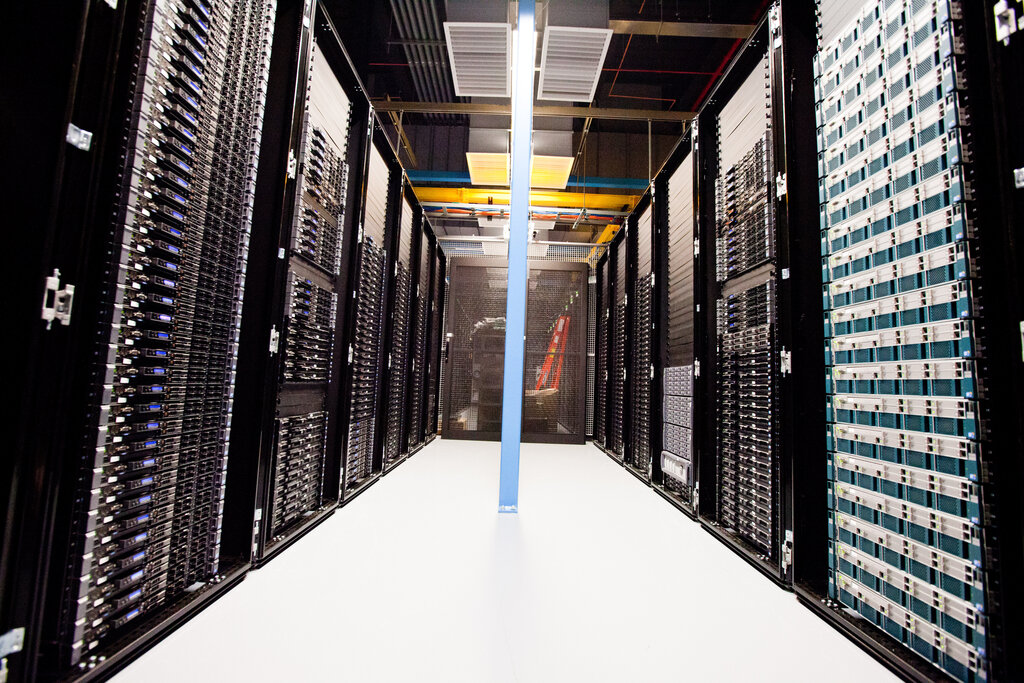
At the center of it all are servers. These aren't like your desktop or laptop. They are powerful computers optimized to run applications and process large amounts of data 24/7. They are the brains of the operation, doing all the computational heavy lifting.
Server
noun
A high-performance computer designed to process requests and deliver data to other computers over a local network or the internet.
Next are the storage systems. This is where data lives when it's not actively being used. Think of it as the data center's long-term memory. It includes everything from high-speed flash drives for quick access to vast archives for information that needs to be kept but isn't used daily.
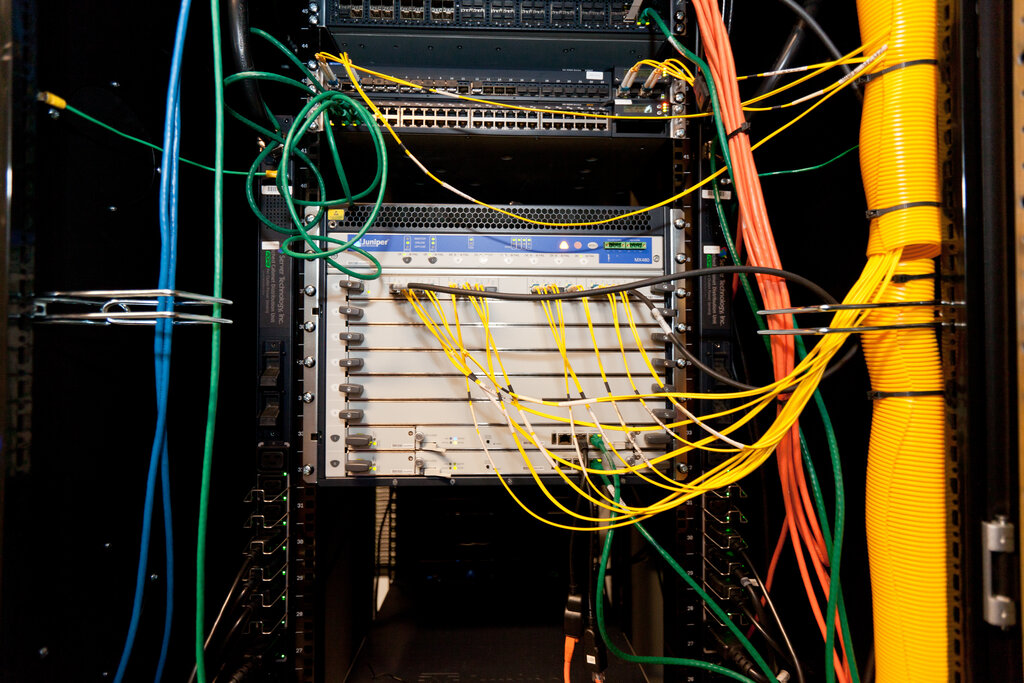
Finally, networking equipment ties everything together. Switches, routers, and fiber optic cables act as the data center's nervous system. They create pathways for data to travel between servers, storage systems, and ultimately, to the outside world and your devices.
Not All Data Centers Are Alike
Data centers come in different shapes and sizes, depending on their purpose and who they serve. The three main types are enterprise, colocation, and hyperscale.
| Type | Owner | Primary User | Scale |
|---|---|---|---|
| Enterprise | A single company | The same company | Varies, specific to company needs |
| Colocation | A third-party provider | Multiple different companies | Large facility with rented spaces |
| Hyperscale | A major tech company | Millions or billions of users | Massive, often campus-sized |
An enterprise data center is owned and operated by one company solely for its own use. A bank might have one to manage its financial data, for example.
A colocation facility is like a high-tech apartment building. A provider builds the data center and rents out space, power, and cooling to other businesses that bring in their own servers and equipment.
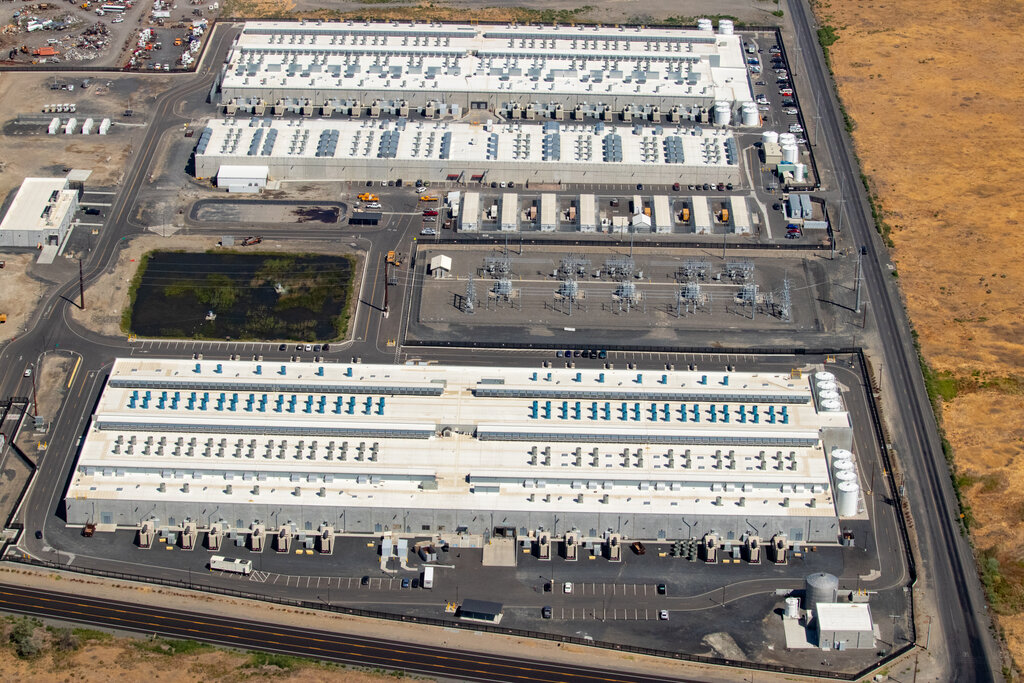
Hyperscale data centers are on another level entirely. These are the enormous facilities run by companies like Amazon, Google, and Microsoft to power their global cloud computing services. They are designed for massive scale and efficiency, supporting everything from social media platforms to complex artificial intelligence applications.
The Foundation of Modern Tech
Without data centers, there would be no cloud computing. The ability to store files in the cloud or run software through a web browser is only possible because massive, powerful infrastructure is running in the background. When you use a service like Google Docs or AWS, you're tapping into the power of a hyperscale data center.
Cloud computing is essentially renting someone else's data center.
Artificial intelligence and machine learning also rely heavily on data centers. Training a large AI model requires an immense amount of computational power and access to huge datasets, far more than a single computer can provide. Data centers supply the thousands of specialized servers needed to make these groundbreaking technologies a reality.
To test your knowledge on data centers, take this short quiz.
What are the three core components that make up a data center?
A mid-sized e-commerce company decides it needs full control over its infrastructure for security and performance reasons, so it builds and manages its own facility exclusively for its own operations. What type of data center is this?
Data centers are the unseen but essential pillars of the digital world, housing the servers, storage, and networking gear that power our daily interactions with technology.