Data Center Emergency Power
Introduction to Emergency Power Systems
The Heartbeat of the Internet
Data centers are the invisible engines of our digital world. They house the servers that store our emails, power our favorite websites, and stream movies to our screens. For them to work, they need one thing above all else: a constant, uninterrupted supply of electricity. Even a flicker in the power grid can be catastrophic, leading to data corruption and widespread outages.
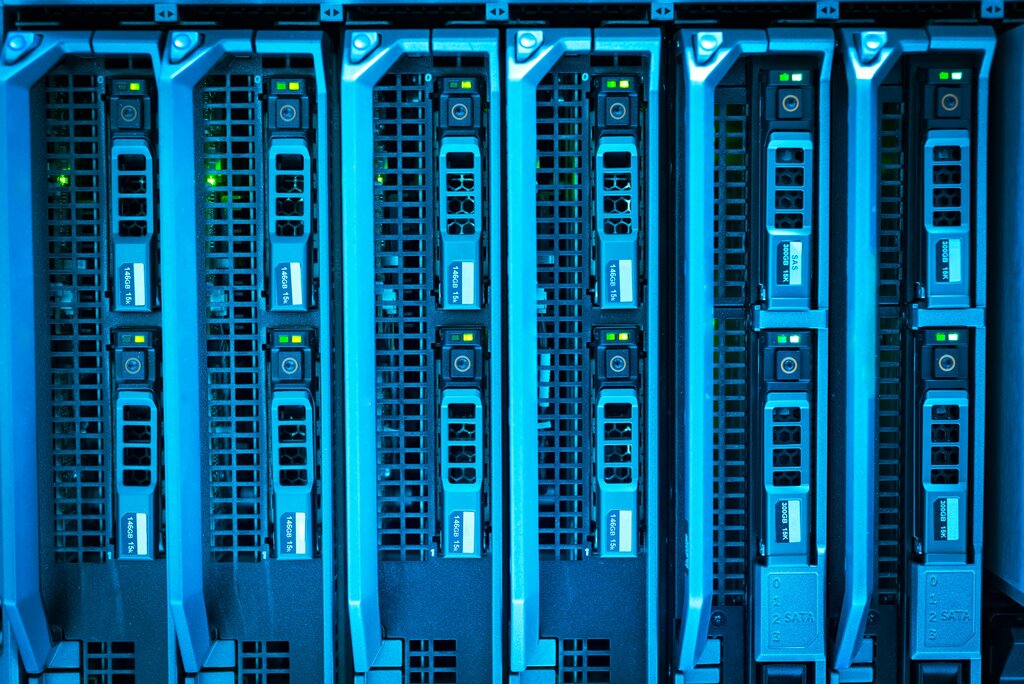
Think of it like a hospital's life support system. A steady flow of power isn't just a convenience; it's essential for survival. This is why data centers invest heavily in making their power supply as reliable as possible.
When the Lights Go Out
A power outage at a data center is far more serious than the lights going out at home. The consequences can be immediate and severe. For businesses, this means lost revenue every second their services are offline. For users, it means websites, apps, and critical services suddenly become unavailable.
The primary risks of a power failure include data loss, hardware damage from sudden shutdowns, and a complete loss of service for customers relying on the data center.
Beyond the financial cost, there's the damage to reputation. An unreliable service quickly loses user trust. Because the stakes are so high, data centers can't simply rely on the public power grid. They need a backup plan, an emergency power system ready to take over at a moment's notice.
The Backup Plan
An emergency power system is a layered defense against grid failure. It’s not just one piece of equipment, but a series of components working together to ensure the flow of electricity to the servers never stops. The two main players in this system are the Uninterruptible Power Supply (UPS) and the generator.
When the main power grid fails, the UPS kicks in instantly. It's essentially a massive battery that provides clean, consistent power for a few minutes. This is the critical first line of defense, bridging the gap until a more permanent solution can take over.
That solution is the generator. While the UPS is keeping the servers online, the generator automatically starts up. Once it's running at full speed, an Automatic Transfer Switch (ATS) seamlessly shifts the data center's power load from the UPS to the generator. The generator can then power the facility for hours or even days, as long as it has fuel.
Together, these components create a robust system that isolates the data center from the instabilities of the external power grid. Now, let's test your understanding of these core concepts.
What is the primary role of an Uninterruptible Power Supply (UPS) in a data center?
Arrange the following events in the correct sequence after a public grid failure at a data center.
This seamless transition from grid to battery to generator is what keeps the digital world running, even when the lights outside go dark.