Data Center Electrical Grids Explained
Electrical Grid Basics
What is an Electrical Grid?
An electrical grid is a vast, interconnected network that delivers electricity from where it's made to where it's used. Think of it as the circulatory system for power. Its main job is to constantly balance the amount of electricity being produced with the amount being consumed, ensuring a steady and reliable supply to homes, schools, and businesses.
Without this network, every building would need its own power generator. The grid allows us to share massive power plants and move electricity efficiently over great distances.
The Journey of Electricity
Electricity doesn't just appear when you flip a switch. It takes a three-step journey to get to you: generation, transmission, and distribution.
1. Generation: It all starts at a power plant. These facilities use various energy sources to spin turbines connected to generators, which produce electricity. Sources can range from fossil fuels like coal and natural gas to nuclear power and renewables like wind, solar, and hydropower.
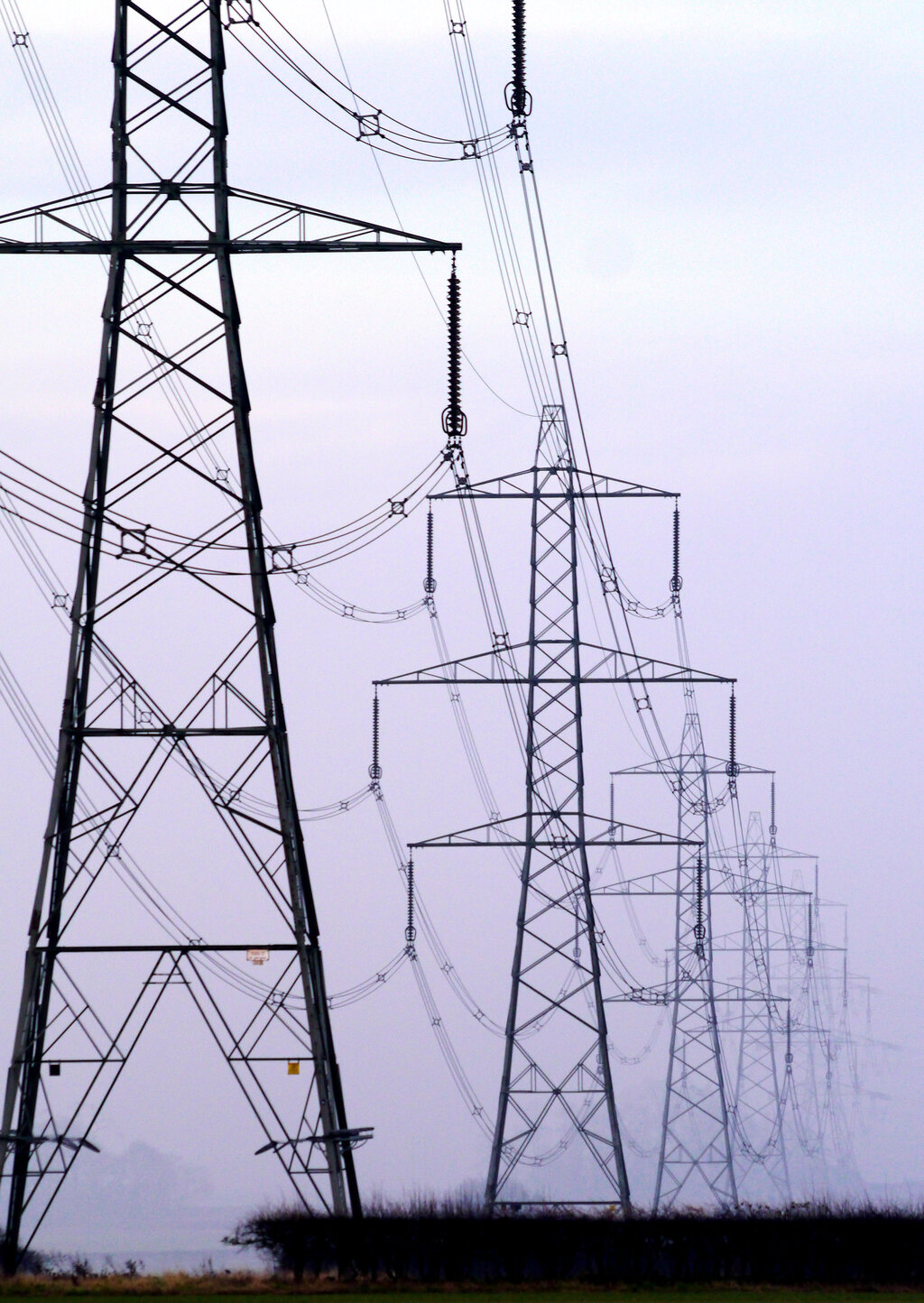
2. Transmission: Once generated, electricity needs to travel long distances. To do this efficiently, its voltage is increased dramatically by a "step-up" transformer. This high-voltage electricity then travels across the country through thick cables supported by large transmission towers. Higher voltage means lower current for the same amount of power, which significantly reduces energy lost as heat along the way.
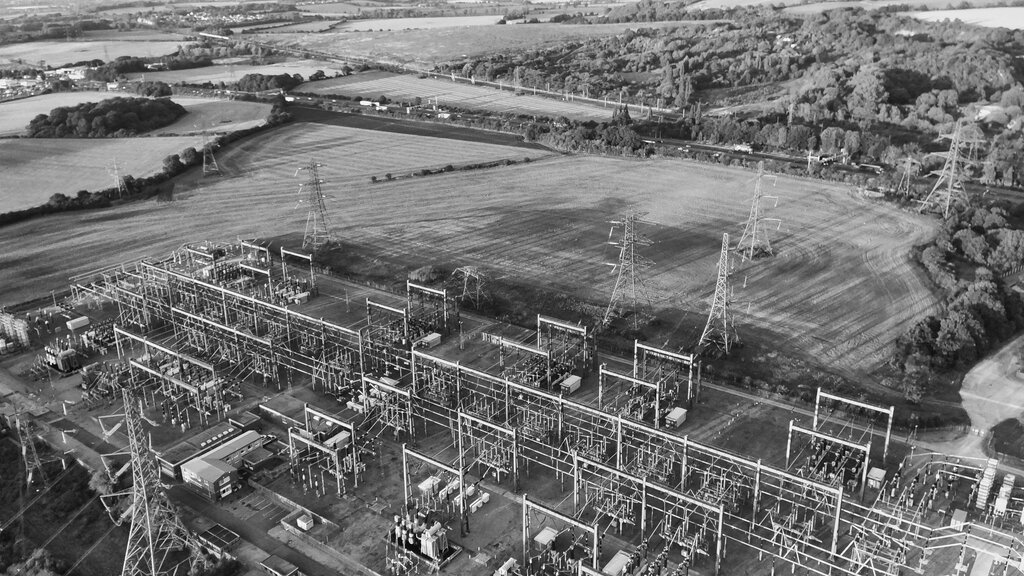
3. Distribution: The high-voltage electricity from transmission lines isn't safe for direct use. Before it reaches you, it enters a local substation. Here, a "step-down" transformer lowers the voltage to a safer level. From the substation, smaller distribution lines, often seen on wooden poles along streets, carry this lower-voltage power into neighborhoods. A final, smaller transformer near your home reduces the voltage one last time to the standard level used by your outlets and appliances.
Centralized vs. Decentralized Grids
Not all grids are built the same way. The traditional model is the centralized grid, where a few large power plants produce all the electricity, which flows in one direction to consumers.
A newer approach is the decentralized, or distributed, grid. This model incorporates many smaller, local power sources, like rooftop solar panels or community wind turbines. In this system, electricity can flow in two directions. A home with solar panels might send its excess power back to the grid for others to use.
Decentralized grids use local renewable sources to reduce transmission losses and improve energy security.
The Language of Electricity
To understand how the grid works, it helps to know three basic concepts:
Voltage
noun
The pressure from an electrical circuit's power source that pushes charged electrons (current) through a conducting loop. Think of it as electrical pressure.
Current
noun
The rate at which electric charge flows past a point in a circuit. It's the flow of electrons, measured in amperes (amps).
Power is the rate at which electrical energy is transferred. It's the product of voltage and current, measured in watts. An easy way to visualize this is with a water hose analogy:
Voltage is the water pressure, current is the flow rate, and power is the total force of the water coming out of the hose.
On the grid, engineers manage these three variables carefully. They step up voltage to reduce current for transmission, then step it back down to deliver the right amount of power safely to consumers.
Now, let's test your understanding of how the electrical grid operates.
What is the primary function of the electrical grid?
Why is the voltage of electricity increased significantly for long-distance transmission?
Understanding these fundamentals—from generation to your wall socket—is the first step to appreciating the complex and vital system that powers our world.