Data Architect Essentials
Introduction to Data Architecture
What is Data Architecture?
Think about building a house. You wouldn't just start nailing boards together. You'd begin with a blueprint. This plan shows where the walls go, how the plumbing connects, and where the electrical outlets will be. The blueprint ensures the final house is sturdy, functional, and meets the needs of the people living in it.
Data architecture is the blueprint for an organization's data. It’s a master plan that dictates how data is collected, stored, integrated, and used across the company. It's not about the data itself, but the structure that holds and organizes it.
Data architecture translates business needs into technical requirements for data systems. It ensures that data flows smoothly and securely from where it's created to where it provides value.
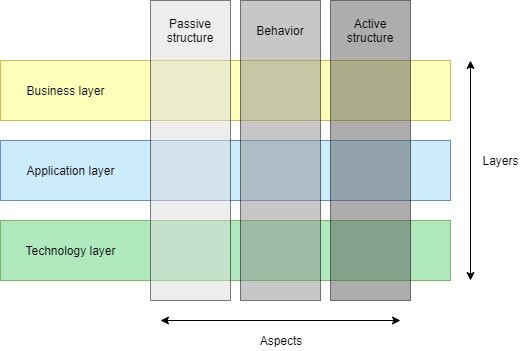
This framework provides a common language and set of rules for managing data. It addresses everything from the high-level business strategy to the underlying technology that supports it, creating a bridge between the two.
The Goals of Good Architecture
A solid data architecture doesn't just happen. It's designed with specific goals in mind. These objectives ensure the data is not just a stored asset, but a powerful tool for the business.
A well-designed data architecture is at the core of any efficient data system.
The primary goal is to align with business strategy. If a company wants to improve customer satisfaction, its data architecture must make it easy to access and analyze customer feedback, purchase history, and support interactions. The technology must serve the business, not the other way around.
Another key goal is establishing data integrity and quality. A good architecture ensures that data is accurate, consistent, and trustworthy. This involves setting standards for how data is entered, cleaned, and maintained. Without this, decisions are based on faulty information, which can be costly.
Finally, architecture aims for efficiency and scalability. It should provide users with timely access to the data they need without unnecessary delays. As the organization grows and its data volume increases, the architecture must be able to handle the load without breaking down or requiring a complete overhaul.
Why It Matters
In today's world, data is one of the most valuable assets a company has. But without a coherent architecture, that asset can quickly become a liability. Organizations without a clear data plan often suffer from "data silos," where information is trapped within different departments and systems, unable to be shared or combined.
Imagine the marketing team can't see sales data. They might run expensive campaigns for products that are already selling well, while ignoring those that need a boost. An integrated architecture breaks down these walls, allowing for a holistic view of the business. This leads to better decision-making, from strategic planning in the boardroom to daily operations on the front lines.
Good data architecture also enhances security and compliance. By standardizing how data is stored and accessed, it becomes easier to protect sensitive information and adhere to regulations like GDPR or CCPA. It defines who can access what data and for what purpose, creating clear audit trails.
Ultimately, a thoughtful data architecture provides a stable, scalable foundation upon which an organization can build its data-driven future.
Let's check your understanding of these core ideas.
What is the best analogy for data architecture in an organization?
A primary goal of data architecture is to ensure the technology choices dictate the company's business strategy.
By understanding this foundation, you can start to see how data moves from a simple collection of facts into a strategic asset that drives an organization forward.