Data and Statistics for Marketers
Introduction to Data Analysis
Why Data Matters
In marketing, you're constantly making choices. Which ad copy will work best? What's the right price for a new product? Where should you spend your budget? For a long time, many of these decisions were based on experience and gut feelings. Data analysis changes that.
Data analysis is the process of cleaning, changing, and processing raw data to find useful information for decision-making. Instead of guessing what your customers want, you can look at the evidence and know. It's the difference between navigating with a compass and just following the sun.
Analysis and measurement are crucial in any marketing strategy.
By analyzing data, you can understand what's working, what isn't, and why. This allows you to refine your campaigns, improve customer experiences, and ultimately, get better results.
Two Flavors of Data
The information you collect comes in two main categories: quantitative and qualitative. Understanding the difference is key to asking the right questions.
Quantitative data is anything you can count or measure. It deals with numbers and hard facts. Think of it as answering questions like "how many?" or "how much?" or "how often?". Examples in marketing include:
- Website visitors per month
- Conversion rates on a landing page
- Click-through rates on an email
- Number of units sold
Qualitative data is descriptive and conceptual. It's based on observations, interviews, and content analysis. It helps you answer the "why?" behind the numbers. Marketing examples include:
- Customer feedback from a survey
- Comments on a social media post
- Reviews on a product page
- Notes from a customer interview
Both types are powerful. Quantitative data tells you what is happening, while qualitative data helps explain why it's happening. A good analysis often uses both to paint a complete picture.
| Quantitative Data | Qualitative Data | |
|---|---|---|
| Format | Numbers, graphs, charts | Text, audio, images |
| Tells You | What, how many, how much | Why, how, in what way |
| Example | 500 clicks | "I found the button confusing." |
Gathering Your Ingredients
The insights you get from data analysis are only as good as the data you collect. This is where the old saying "garbage in, garbage out" comes from. If you collect inaccurate or irrelevant data, your conclusions will be flawed.
Marketers use several methods to gather data:
- Surveys: Directly asking customers for their opinions and preferences.
- Website Analytics: Tracking user behavior on your website, like which pages they visit and how long they stay.
- Social Media Listening: Monitoring mentions of your brand, products, and competitors on social platforms.
- CRM Systems: Your Customer Relationship Management software is a goldmine of data on customer interactions, purchase history, and support tickets.
A best practice for data collection is to always start with a clear question. Before you gather any data, know what you're trying to figure out. This ensures you collect relevant information and don't waste time on noise.
Tools of the Trade
You don't need to be a programmer to analyze data. Marketers have a wide range of tools available to help them make sense of the information they collect. These tools generally fall into a few categories.
Spreadsheets (like Microsoft Excel or Google Sheets) are the starting point for most data analysis. They are great for organizing data, performing basic calculations, and creating simple charts.
Analytics Platforms (like Google Analytics or Adobe Analytics) are specialized tools for tracking and reporting on website and app performance. They automatically collect vast amounts of quantitative data about user behavior.
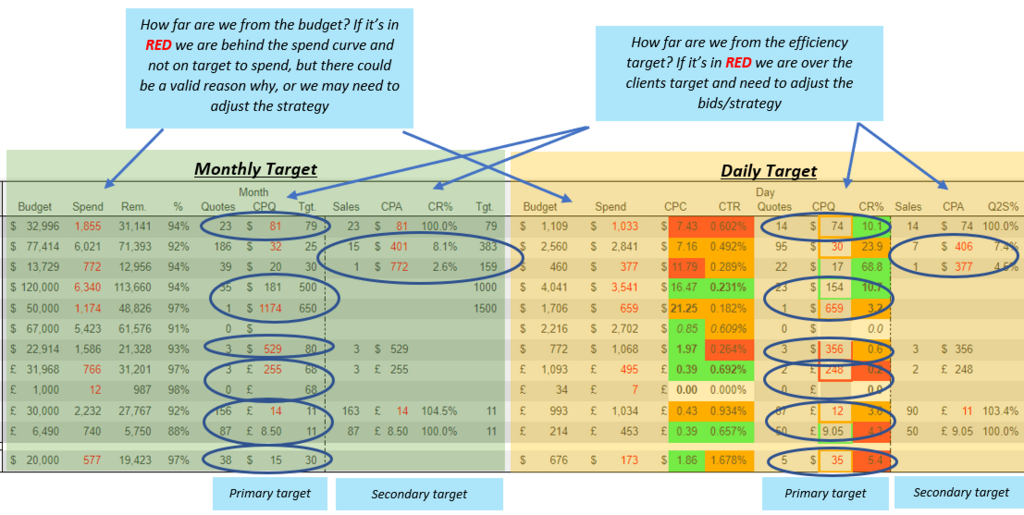
Business Intelligence (BI) Tools (like Tableau or Power BI) are used to create interactive dashboards and visualizations. They can pull data from many different sources to give you a holistic view of your marketing efforts.
Choosing the right tool depends on your specific goals and the complexity of your data. Often, marketers use a combination of these tools to get the job done.
Now, let's test your understanding of these core concepts.
What is the primary purpose of data analysis in marketing?
A marketing team is trying to understand why their new ad campaign is not resonating with their target audience. Which type of data would be most helpful?
Getting comfortable with these fundamentals is the first step toward making smarter, data-driven marketing decisions that can have a real impact on your success.