Data Analytics Mastery for Freshers
Introduction to Data Analytics
What Is Data Analytics?
Data analytics is the process of examining large amounts of data to uncover hidden patterns, correlations, and other useful insights. Think of it as a form of detective work. Businesses collect vast amounts of raw data, which are like individual clues. On their own, these clues might not mean much. But by collecting, organizing, and analyzing them, we can piece together a story that helps us make smarter decisions.
Data analytics is the collection, transformation, and organization of these facts to draw conclusions, make predictions, and drive informed decision-making.
In a world overflowing with information, the ability to understand and use data is crucial. It helps companies understand their customers better, improve their products, and streamline their operations. This isn't just about big corporations; from small startups to non-profits, data-driven decisions lead to better outcomes.
Analytics in Action
Data analytics isn't a niche field; it's everywhere. Its applications span across nearly every industry, transforming how work gets done.
| Industry | Application of Data Analytics |
|---|---|
| Retail | Analyzing shopping habits to recommend products and manage inventory. |
| Healthcare | Predicting disease outbreaks and improving patient care through treatment analysis. |
| Finance | Detecting fraudulent transactions and assessing credit risk for loans. |
| Entertainment | Recommending movies or songs based on a user's viewing history. |
| Transportation | Optimizing delivery routes to save fuel and time. |
In each case, the goal is the same: to use data to answer questions and solve problems. A retailer might ask, "What products do customers buy together?" An entertainment service might wonder, "What kind of shows will keep our subscribers engaged?" Analytics provides the answers.
The Role of a Data Analyst
A data analyst is the person who bridges the gap between raw data and meaningful insight. They are problem-solvers who use data to help organizations make better decisions. Their work isn't just about crunching numbers; it's about understanding the business's goals and figuring out how data can help achieve them.
The key responsibilities of a data analyst include:
- Asking the right questions: Understanding what the business needs to know.
- Gathering data: Finding and collecting relevant information from various sources.
- Cleaning data: Correcting errors, removing duplicates, and preparing data for analysis.
- Analyzing data: Using various techniques to find patterns, trends, and relationships.
- Communicating findings: Presenting insights clearly to people who may not be data experts, often through charts, graphs, and reports.
The Data Analysis Process
While the specific tasks can vary, data analysis generally follows a structured process. This ensures that the insights are reliable and relevant to the problem at hand.
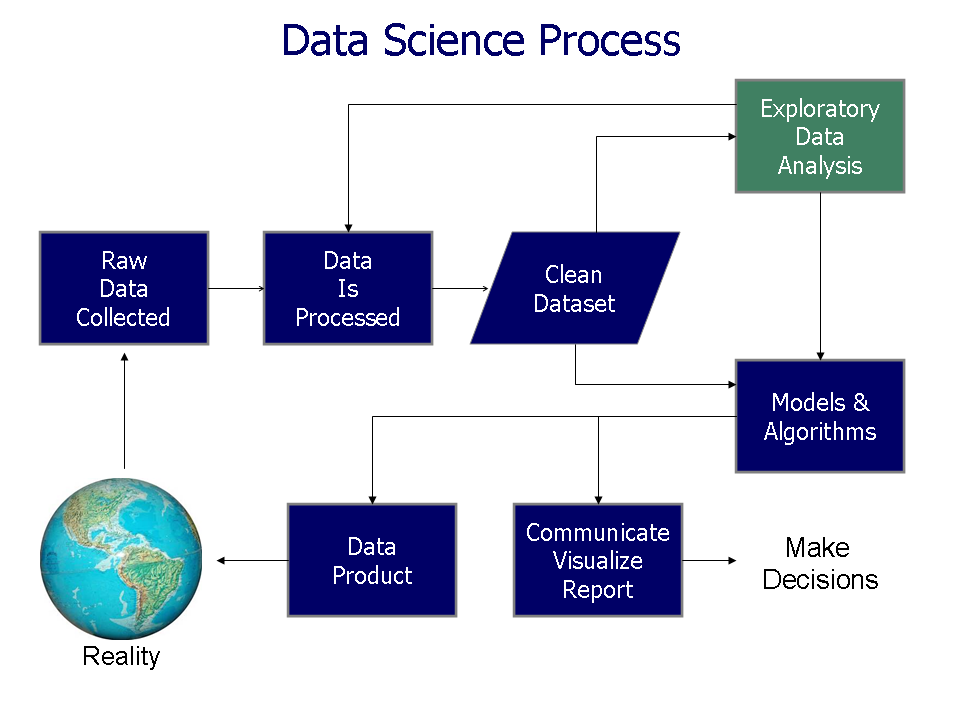
This cycle can be broken down into a few key steps:
- Ask: It starts with a question. What business problem are we trying to solve?
- Prepare: Data is collected from various sources and then cleaned to ensure it's accurate and consistent.
- Process & Analyze: This is where the detective work happens. Analysts explore the data, look for trends, and build models to understand the information.
- Share & Act: The analyst shares their findings with decision-makers, often using visualizations to tell a clear story. Based on these insights, the organization takes action.
Ready to check your understanding? Let's see what you've learned.
What is the primary goal of data analytics?
Which of the following is NOT considered a key responsibility of a data analyst?
This introduction gives you a glimpse into the world of data analytics. It’s a field that combines curiosity, problem-solving, and storytelling to turn data into a powerful tool for change.