Data Analytics Fundamentals
Introduction to Data Analytics
Turning Data into Decisions
Every day, businesses, scientists, and even your favorite apps collect vast amounts of raw data. A coffee shop tracks every latte sold. A fitness app records every step you take. By itself, this raw data is just a collection of facts and figures. It doesn't mean much.
Data analytics is the process of examining this raw data to find trends and answer questions. The ultimate goal is to turn meaningless numbers into actionable insights that help you make smarter decisions.
The primary goal of data analytics is to help individuals or organizations to make informed decisions based on patterns, behaviors, trends, preferences, or any type of meaningful data extracted from a collection of data.
Think of it like being a detective. You start with clues (data), and through investigation (analysis), you piece together a story that solves a mystery or reveals an opportunity.
The Four Types of Analytics
Data analytics isn't a single activity. It's a spectrum of techniques that build on each other, moving from understanding the past to shaping the future. These techniques are often broken down into four distinct types.
1. Descriptive Analytics: What happened? This is the most common and fundamental type. It summarizes historical data to give you a clear picture of the past. It's like looking in the rearview mirror.
For a coffee shop, this could be a report showing that you sold 5,000 coffees last month, with espresso being the most popular drink on weekends.
2. Diagnostic Analytics: Why did it happen? This type digs deeper to understand the root causes behind the trends identified in descriptive analytics. If descriptive analytics tells you what happened, diagnostic analytics tells you why.
Why was espresso so popular last weekend? A diagnostic analysis might reveal a correlation between espresso sales and a local festival that took place nearby.
3. Predictive Analytics: What is likely to happen? Using historical data, statistical algorithms, and machine learning techniques, predictive analytics forecasts future events. It doesn't tell you what will happen with 100% certainty, but it provides the most likely outcome.
Based on past sales data and upcoming weather forecasts, the coffee shop could predict a 30% increase in iced coffee sales during next week's heatwave.
4. Prescriptive Analytics: What should we do about it? This is the most advanced type. It takes the predictions and suggests a course of action to achieve a specific goal. It not only foresees the future but recommends how to take advantage of it or mitigate a risk.
Knowing a heatwave is coming, a prescriptive system could automatically adjust staff schedules to handle the rush and place an order for more milk and coffee beans, ensuring the shop is prepared.
The Analytics Process
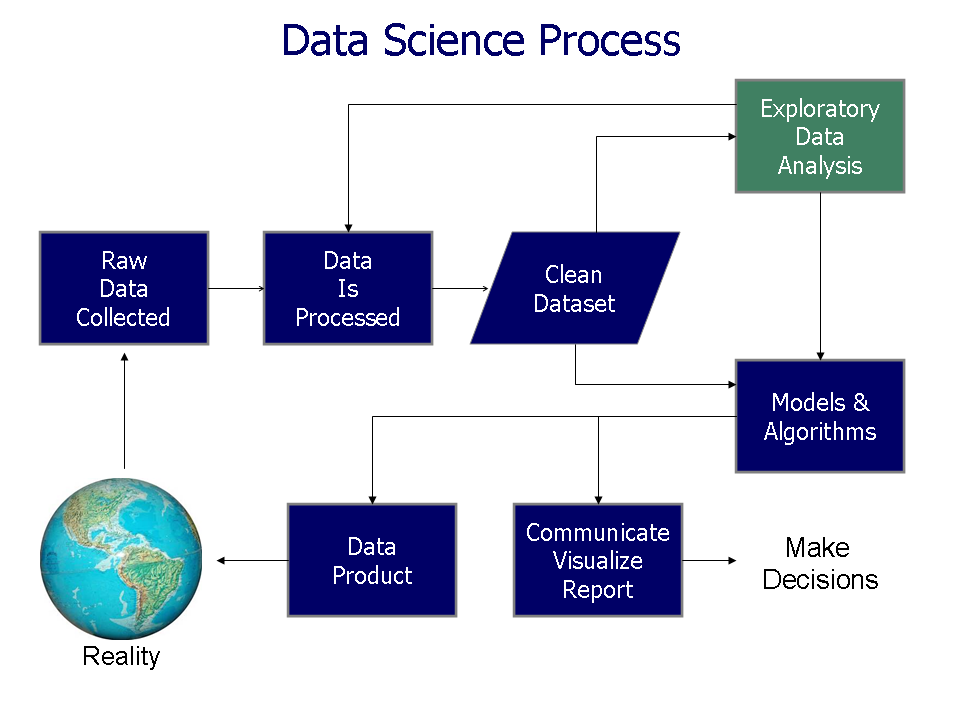
Regardless of the type of analytics you're performing, the process generally follows a consistent set of steps. While different frameworks exist, they all share a common core.
-
Ask the Right Question: It all starts with a clear business question. What problem are you trying to solve or what opportunity are you trying to understand? Without a clear goal, any analysis will be unfocused.
-
Gather Data: Once you know your question, you need to collect the relevant data. This data can come from internal sources (like your company's sales records) or external ones (like public demographic data).
-
Clean and Prepare Data: Raw data is almost never perfect. It often has errors, missing values, or inconsistencies. This step, often the most time-consuming, involves cleaning the data to ensure it's accurate and ready for analysis.
-
Analyze the Data: This is where you apply your chosen analytics techniques—descriptive, diagnostic, predictive, or prescriptive—to find patterns, relationships, and insights.
-
Interpret and Share Results: The final step is to interpret the findings and communicate them to others. This often involves creating charts and dashboards to tell a clear and compelling story with the data, leading to an informed decision.
This cycle is iterative. The insights from one analysis often lead to new, more specific questions, starting the process all over again.
Now, let's test your understanding of these core concepts.
What is the ultimate goal of data analytics?
A retail company uses historical sales data and weather patterns to forecast a 20% increase in umbrella sales next month. Which type of data analytics is this?
Understanding these fundamentals provides a solid base for exploring the powerful world of data. By knowing what questions to ask and what process to follow, you can begin to unlock the stories hidden within the numbers.