Data Analytics Fundamentals
Introduction to Data Analytics
What Is Data Analytics?
Data analytics is the science of examining raw data to find trends and answer questions. The main goal is to draw conclusions from the information. Think of it like being a detective. You have a pile of clues (data), and your job is to piece them together to solve a mystery (gain insights).
This process allows organizations to move from making decisions based on gut feelings to making them based on evidence. By understanding what the data says, a company can better understand its customers, improve its products, and operate more efficiently.
The primary goal of data analytics is to help individuals or organizations to make informed decisions based on patterns, behaviors, trends, preferences, or any type of meaningful data extracted from a collection of data.
Without analytics, data is just a collection of numbers and text. With analytics, it becomes a powerful tool for strategy and growth.
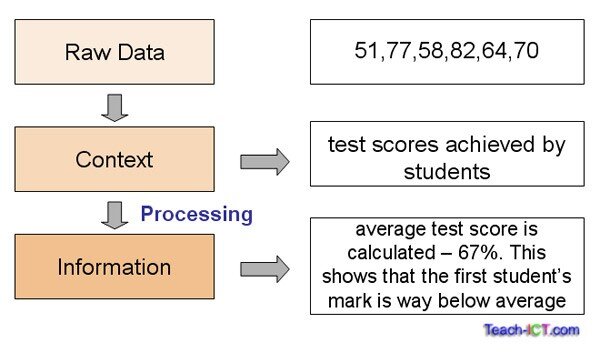
The Journey From Data to Decision
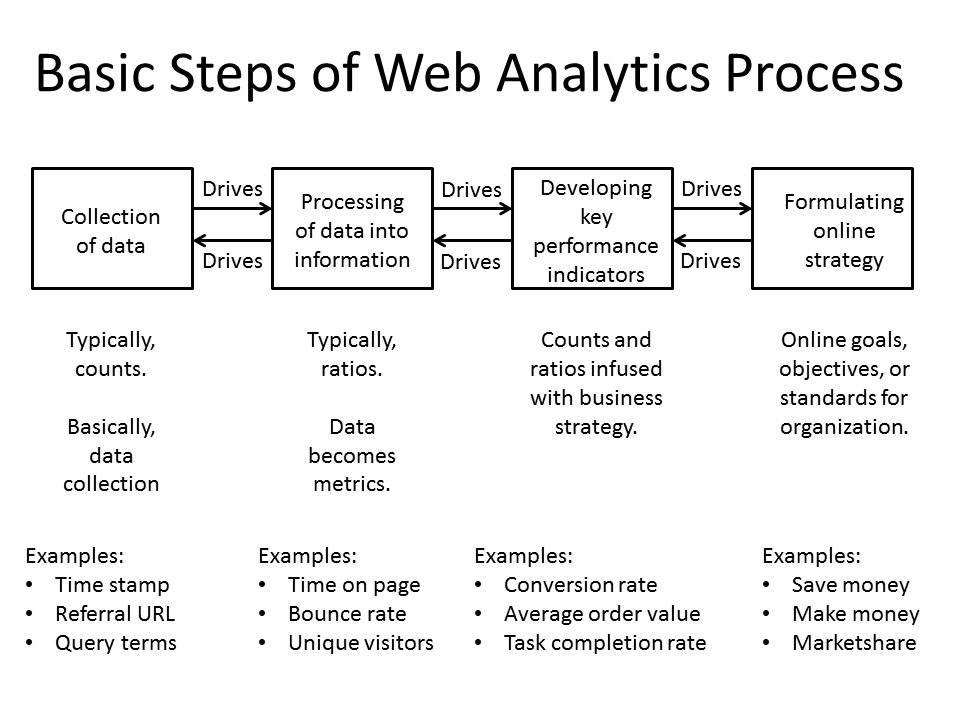
The data analytics process isn't a single action but a series of steps. While the specifics can change depending on the project, the general journey follows a clear path from a question to an answer.
First, you define the problem you're trying to solve. What do you want to know? Next, you collect the necessary data from various sources. This raw data is often messy, so the third step is to clean and organize it, ensuring it's accurate and ready for analysis.
Once the data is prepared, the actual analysis happens. This is where you'll apply different techniques to find patterns and relationships. Finally, you interpret the results and share your findings with others, often through reports or visualizations, to help them make better decisions.
Four Types of Analytics
Data analytics can be broken down into four distinct types. They build on each other, moving from a simple summary of the past to a prediction of the future. Think of them as levels of insight, each answering a more complex question.
The four pillars of data analytics—descriptive, diagnostic, predictive, and prescriptive—form a comprehensive framework for understanding and leveraging data.
1. Descriptive Analytics: What happened? This is the most common type of analytics. It summarizes past data to explain what has occurred. A business dashboard showing total sales for the last quarter is a classic example of descriptive analytics. It gives you a snapshot of the past but doesn't explain why it happened.
2. Diagnostic Analytics: Why did it happen? This type dives deeper to understand the root causes of what descriptive analytics revealed. If sales dropped last quarter, diagnostic analytics would explore the data to find the reason. Did a marketing campaign underperform? Was there a problem with the website? It's about finding the 'why' behind the 'what'.
3. Predictive Analytics: What will happen? Using historical data, predictive analytics makes educated guesses about the future. It identifies the likelihood of future outcomes based on trends. For example, a retail company might use predictive analytics to forecast which products will be popular during the holiday season, helping them manage inventory.
4. Prescriptive Analytics: What should we do? This is the most advanced type of analytics. It goes beyond predicting the future and suggests actions to take. It might recommend specific steps to optimize a situation or achieve a goal. For instance, a logistics company's system could use prescriptive analytics to recommend the most efficient delivery routes in real-time based on traffic and weather data.
| Type | Question Answered | Example |
|---|---|---|
| Descriptive | What happened? | A report showing monthly website traffic. |
| Diagnostic | Why did it happen? | Analyzing why traffic dropped after a site update. |
| Predictive | What is likely to happen? | Forecasting next month’s sales based on trends. |
| Prescriptive | What should we do? | Recommending ad spend to maximize sales. |
Together, these four types provide a complete toolkit for making sense of data.
What is the primary goal of data analytics?
A retail company uses historical sales data to forecast which products will be most popular during the upcoming holiday season. What type of analytics is this?
Understanding these core concepts is the first step into the world of data analytics. By knowing what it is, how the process works, and the different ways it can be applied, you have a solid foundation to build upon.