Data Analytics for Marketing Intelligence PPT Masterclass
Data Pipeline Architecture
The Journey of Data
Think of a data pipeline as the plumbing system for information. It's a series of automated steps that move raw data from various sources, clean it up, and deliver it to a destination where it can be used for things like business reports or marketing analysis. Without a solid pipeline, data is just a jumble of disconnected facts. With one, it becomes a powerful asset for making smart decisions.
A data pipeline architecture is the design of how data is collected, moved, transformed, and stored from multiple sources into a central system, such as a data warehouse, data lake, or application database.
A well-designed pipeline ensures that the information you're using is timely, accurate, and reliable. Let's walk through the key stages of this journey.
Collecting the Raw Materials
The first step is data collection, also known as ingestion. This is where data enters the pipeline from all its different sources. For a marketing team, this could mean pulling data from a customer relationship management (CRM) system like Salesforce, website analytics from Google Analytics, advertising data from social media platforms, and sales data from an e-commerce platform.
The goal is to gather all relevant raw data, regardless of its format. It might be structured, like a neat spreadsheet of customer orders, or unstructured, like social media comments. Collection can happen in batches (e.g., pulling all of yesterday's sales data every morning) or in real-time as events occur.
Storage and Processing
Once collected, the data needs a place to live. This is usually a central repository like a data warehouse or a data lake. A data warehouse stores structured, filtered data that's already been processed for a specific purpose. A data lake, on the other hand, is a vast pool of raw data in its native format. The choice depends on the business's needs for flexibility and speed.
| Feature | Data Warehouse | Data Lake |
|---|---|---|
| Data Structure | Structured, Processed | Raw, Unstructured |
| Purpose | Business Intelligence, Reporting | Machine Learning, Deep Analysis |
| Users | Business Analysts | Data Scientists, Developers |
| Schema | Schema-on-Write (Defined before storing) | Schema-on-Read (Defined when analyzing) |
After storage comes processing. This is where the magic happens. Raw data is often messy, incomplete, or inconsistent. The processing stage cleans, transforms, and restructures the data to make it usable. This involves:
- Cleaning: Fixing errors, removing duplicate entries, and handling missing values.
- Transforming: Converting data into a standard format. For example, ensuring all dates are in
YYYY-MM-DDformat or standardizing country names. - Enriching: Combining data from multiple sources to create a more complete picture. You could link a customer's website activity with their purchase history to understand their journey.
ETL
noun
Stands for Extract, Transform, Load. It's a traditional data integration process where data is extracted from a source, transformed in a separate processing stage, and then loaded into the final destination, like a data warehouse.
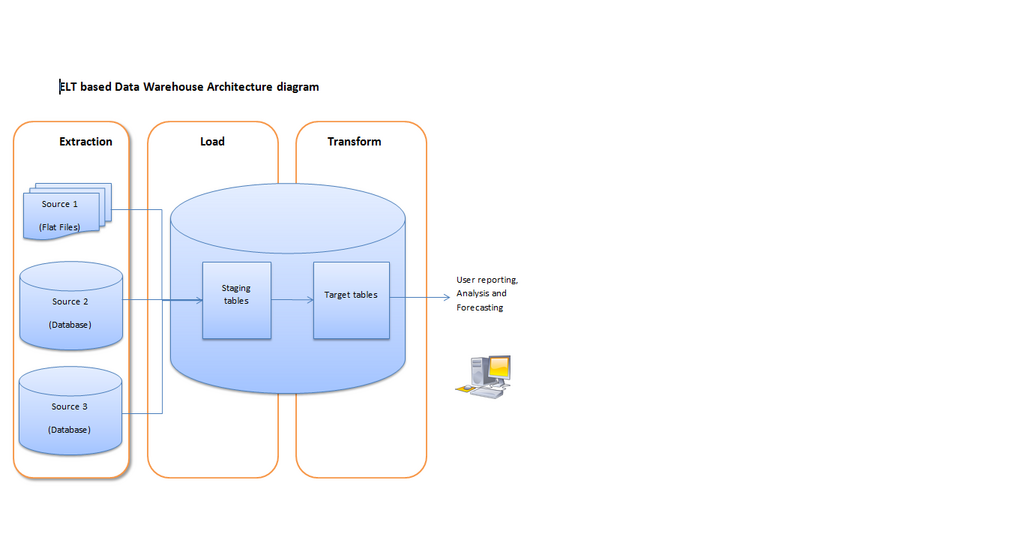
A modern alternative is ELT (Extract, Load, Transform), where raw data is loaded directly into the destination (often a data warehouse with powerful processing capabilities), and the transformation happens there. This approach can be more flexible and faster for large volumes of data.
Ensuring Quality and Speed
Data quality is not a one-time fix; it's an ongoing process. A good data pipeline has built-in checks and balances to ensure the data remains accurate and trustworthy. This could involve automated validation rules that flag suspicious data or monitoring dashboards that track the health of the pipeline. If bad data enters the system, all subsequent analysis and decisions are compromised. Garbage in, garbage out.
Finally, many business and marketing applications require information that is up-to-the-minute. Real-time data processing, often called streaming, allows data to be collected and processed continuously as it's generated. This is crucial for things like fraud detection, monitoring website performance, or personalizing a user's experience on the fly. Instead of waiting for a nightly batch job, you get insights as they happen.
With the right architecture, a data pipeline turns this massive flow of information into a clear stream of actionable insights, powering smarter business and marketing decisions.
What is the primary purpose of a data pipeline in a business context?
In the context of data storage, what is a key difference between a data lake and a data warehouse?