Data Analytics for Internal Auditors
Introduction to Data Analytics
What Is Data Analytics?
At its core, data analytics is the science of drawing insights from raw information. For an internal auditor, it means using technology to examine large sets of data to find patterns, identify anomalies, and uncover risks.
Think of traditional auditing like being a food inspector who samples a few apples from a massive shipment to check for quality. You get a decent idea, but you might miss a few bad apples. Data analytics is like having a machine that can scan every single apple in the truck instantly. You move from a small, manual sample to a complete, automated picture.
This shift allows you to test 100% of a population of transactions, whether it's expense reports, purchase orders, or journal entries. Instead of just guessing where problems might be, you can let the data point you directly to them.
Data analytics transforms auditing from a reactive, sample-based exercise into a proactive, comprehensive process.
Why It Matters for Auditors
Integrating data analytics into your workflow brings several powerful benefits. It sharpens your focus and makes your findings more robust.
First, it dramatically improves risk assessment. By analyzing entire datasets, you can spot high-risk areas with much greater accuracy. For example, you might analyze all company travel expenses and find that one department consistently spends 50% more than others, flagging it for a deeper review.
Second, it's a game-changer for fraud detection. Manual reviews can miss clever schemes, but analytics can spot subtle red flags. Imagine searching for duplicate invoice numbers paid to the same vendor or identifying a series of payments that are all just below the $10,000 threshold that requires manager approval. These patterns are nearly impossible to find by hand but stand out clearly with data analysis.
Finally, it boosts efficiency. Automating repetitive testing tasks frees you up to concentrate on what really matters: applying professional judgment, investigating complex issues, and communicating your findings.
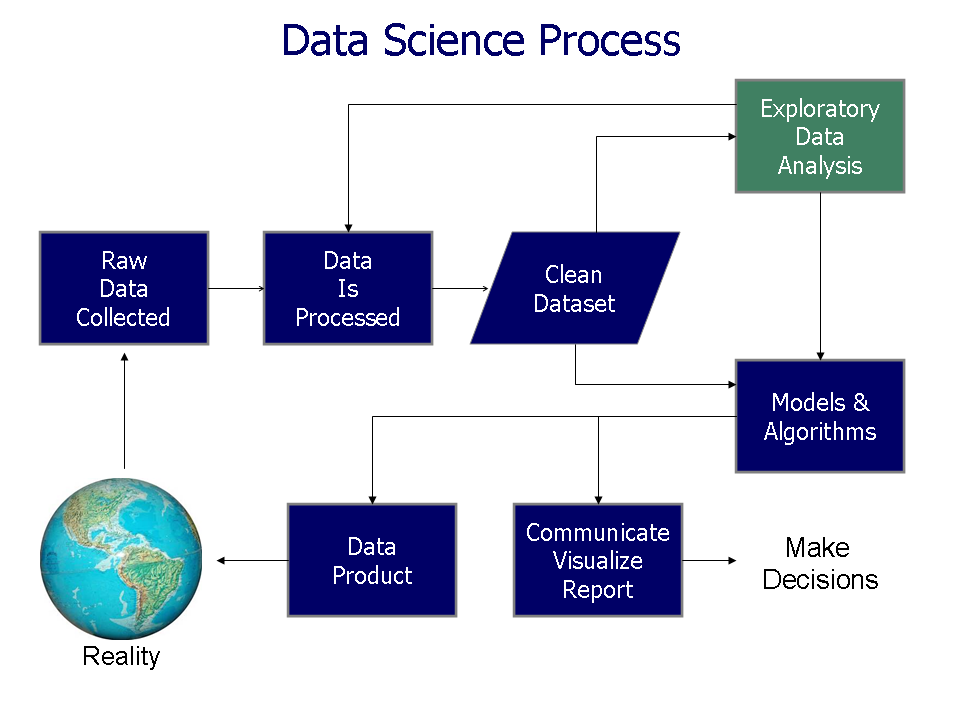
The Data You'll Use
Audit data comes in two main flavors: structured and unstructured. Understanding the difference is key to knowing what you can analyze.
Structured data is highly organized and easy to process. It lives in neat rows and columns inside databases and spreadsheets. This is the most common type of data used in audits.
Unstructured data has no predefined format. Think of the text in emails, the content of contracts, or messages in a company chat app. It’s more challenging to work with but can contain critical context and evidence.
| Data Type | Description | Examples |
|---|---|---|
| Structured | Organized in a fixed format | Financial transactions, payroll records, expense reports, inventory logs |
| Unstructured | Lacks a specific format | Emails, Word documents, PDF contracts, customer review comments |
Common Hurdles
While powerful, data analytics isn't a magic wand. The most significant challenge is data quality. The old saying "garbage in, garbage out" is especially true here. If your source data is incomplete, inaccurate, or inconsistent, your analysis will be flawed. You might find dates formatted differently across systems (01/10/2023 vs. Oct 1, 2023) or records with missing employee IDs, all of which must be cleaned up before analysis can begin.
Another common issue is data management and access. Important data is often stored in different systems across the organization, a problem known as data silos. Getting access to this information can be a technical and bureaucratic challenge. You need to work with IT and business leaders to ensure you can get the right data securely and efficiently.
By integrating advanced analytics into the operations workflow, institutions can identify discrepancies that might pass undetected by manual reviews.
Time to check what you've learned.
What is the primary advantage of data analytics for an internal auditor compared to traditional auditing methods?
An auditor uses data analytics to scan all payment records for a year. Which of the following patterns would most likely indicate a potential fraud scheme?
Understanding these core concepts is the first step toward leveraging data analytics in your audits. By starting with a clear view of the benefits and challenges, you're ready to build a powerful new skill set.