Data Analytics for Beginners
Introduction to Data Analytics
What Is Data Analytics?
Data analytics is the science of looking at raw information to find trends and answer questions. Think of it as a form of detective work. Instead of clues at a crime scene, you're sifting through numbers and text to solve a puzzle about a business, a scientific experiment, or even customer behavior.
Every time you stream a movie, buy a coffee, or use a navigation app, you create data. Companies and organizations collect this data to make smarter decisions. A streaming service analyzes your viewing history to recommend your next favorite show. A coffee shop might track sales to figure out when to offer a discount on pastries. In healthcare, hospitals analyze patient data to predict disease outbreaks and improve treatments.
The goal is simple: turn raw facts and figures into actionable insights. It's about moving from 'what happened?' to 'why did it happen?' and, ultimately, 'what should we do next?'
The Data Analysis Process
Data analysis isn't a single action but a structured process with several key phases. It starts with a question and ends with a recommendation. While the specifics can vary, the journey generally follows a clear path from raw data to a final decision.
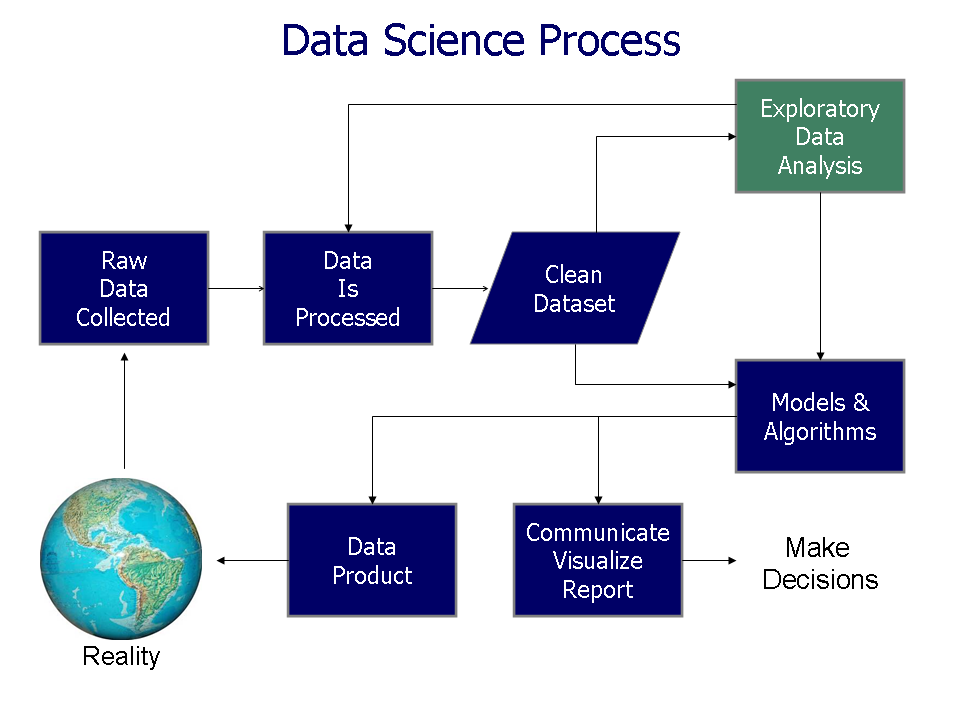
This lifecycle typically involves a few core steps:
- Define the Question: What problem are you trying to solve? This is the most critical step. A clear question guides the entire analysis. Are we trying to understand why customer subscriptions are down? Or which marketing campaign was most effective?
- Collect and Prepare Data: Next, you gather the necessary information. This data often comes from different sources and is usually messy—full of errors, duplicates, or missing values. A huge part of the work is cleaning and organizing this data to make it usable.
- Analyze the Data: This is the exploration phase. You'll examine the clean data, look for patterns, identify relationships between variables, and build models to test your ideas.
- Interpret and Share Results: Once you have your findings, you need to translate them into a compelling story. This involves creating charts and reports that clearly communicate what you found and what it means for the business. The final step is presenting these insights to others so they can take action.
Types and Sources of Data
Data comes in all shapes and sizes. At a high level, we can categorize it into a few main types. Understanding these distinctions is key to choosing the right analytical methods.
| Category | Type | Description | Examples |
|---|---|---|---|
| By Format | Structured | Highly organized and easy to search. | Spreadsheets, database records |
| Unstructured | Lacks a predefined format. | Emails, social media posts, videos | |
| By Nature | Quantitative | Numerical data that can be measured. | Sales figures, temperature, height |
| Qualitative | Descriptive data that is observed. | Customer reviews, interview notes |
Data can also be classified by its source. Internal data is information generated within an organization, like sales records, employee data, or website traffic logs. External data comes from outside the organization. This could be public information like government census data, weather patterns, or reports from market research firms.
The Role of a Data Analyst
A data analyst is a bridge between the raw data and the people who need to make decisions. They are problem-solvers who use their technical skills and business knowledge to uncover hidden opportunities and answer important questions.
Key responsibilities of a data analyst include:
- Data Wrangling: Acquiring data from various sources and cleaning it up to prepare it for analysis.
- Analysis: Using statistical methods and tools like SQL and spreadsheets to explore data and find meaningful patterns.
- Reporting: Creating dashboards and reports that summarize findings in an easy-to-understand way.
- Collaboration: Working with different teams, like marketing, finance, and product development, to understand their goals and provide them with the data insights they need.
If you want your role as data analyst to be broader and to have more impact, you need to gain a solid understanding of how the business works.
In essence, data analytics is a powerful field that combines technology, statistics, and business strategy. By learning to work with data, you can help organizations navigate complexity and make better, more informed choices.
What is the primary purpose of data analytics?
According to the typical data analysis lifecycle, what is the most critical first step?