Data Analyst to Marketing Data Engineer
Introduction to Data Engineering
The Foundation of Insight
Think of a busy restaurant. Before the chefs can create amazing dishes, someone has to source the ingredients, wash the vegetables, butcher the meat, and organize the pantry. Without this crucial prep work, the kitchen would grind to a halt. Data engineering is that prep work, but for information.
Data engineering is the backbone of any modern data-driven organization.
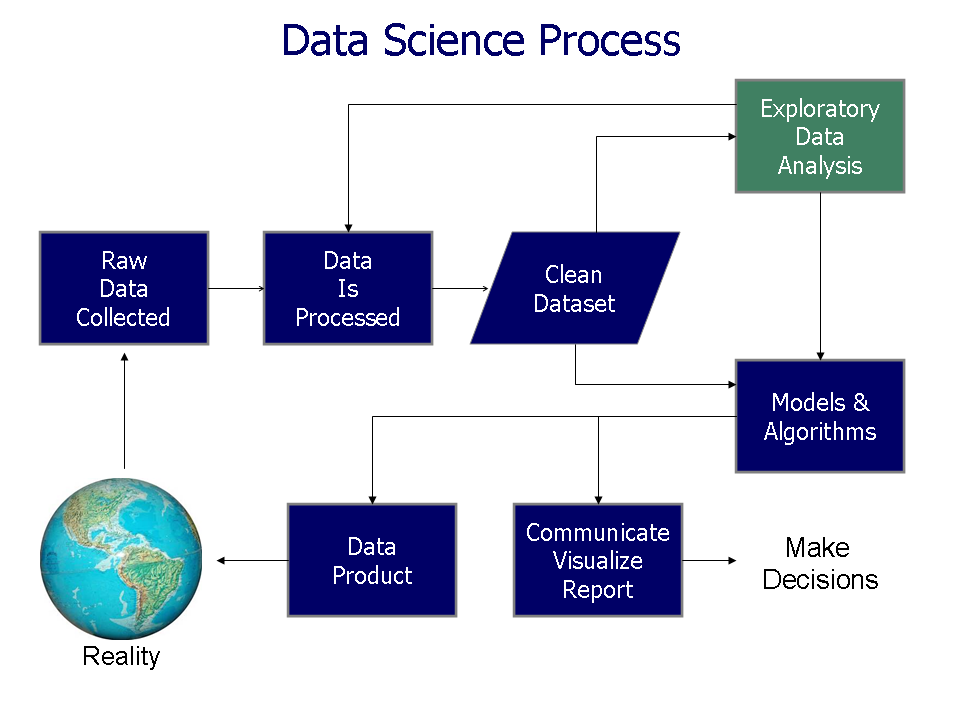
It's the process of designing and building systems to collect, store, and prepare massive amounts of raw data so it can be used by others. Data engineers create the infrastructure that turns a chaotic flood of information from websites, apps, and sales systems into a clean, reliable, and organized resource. This prepared data is then used by data analysts and scientists to find insights, build reports, and train machine learning models.
What a Data Engineer Does
A data engineer's job is to build and maintain the digital plumbing of a company. They ensure that data flows smoothly and reliably from its source to its destination. Their work is the foundation for all data-related activities in an organization.
Key responsibilities typically include:
- Designing and building data pipelines: Creating automated processes that move data from one system to another.
- Managing data storage: Setting up and maintaining databases, data warehouses, or data lakes where information is stored securely and efficiently.
- Ensuring data quality: Implementing checks and balances to make sure the data is accurate, consistent, and trustworthy.
- Optimizing systems: Making sure the data infrastructure is fast, scalable, and can handle growing volumes of information.
In short, if a data analyst asks "What does the data tell us?", the data engineer first makes sure there's clean, accessible data to ask questions of.
The Data Pipeline
A data pipeline is the set of steps that data takes from its source to a final destination, like a data warehouse. It’s the automated system a data engineer builds to handle the flow of information. Most pipelines follow a pattern known as ETL.
ETL
noun
Stands for Extract, Transform, Load. It's a standard three-step process for moving data.
Here's how it works:
- Extract: Data is pulled from its original sources, like a customer relationship management (CRM) system, website analytics, or a mobile app database.
- Transform: The raw data is cleaned and reshaped. This could mean converting date formats, removing duplicate entries, or combining information from different sources to create a unified view.
- Load: The newly transformed, ready-to-use data is loaded into a central storage system, often a data warehouse, where it can be easily accessed for analysis.
Engineers vs. Analysts
While data engineers and data analysts both work with data, their roles are distinct. Data engineers build the factory; data analysts work on the assembly line to produce insights. Engineers are focused on infrastructure, while analysts are focused on interpretation.
| Data Engineer | Data Analyst | |
|---|---|---|
| Primary Goal | Build and maintain reliable data systems. | Find actionable insights from data. |
| Core Skills | Programming, database design, system architecture. | Statistics, data visualization, business knowledge. |
| Key Question | "How can we efficiently collect and prepare this data?" | "What trends and patterns does this data reveal?" |
| Analogy | Plumber who lays the pipes. | Scientist who analyzes the water from the tap. |
Both roles are essential. Without solid data engineering, analysts would be stuck with messy, unreliable data. Without analysis, the perfectly engineered data would have no business impact. It's a partnership that powers modern decision-making.