Data Analyst Mastery in Six Months
Introduction to Data Analysis
What Is Data Analysis?
At its heart, data analysis is the process of turning raw facts and figures into useful information. Think of a data analyst as a detective. They gather clues (data), examine them from different angles, and piece them together to solve a puzzle or answer an important question.
The goal is to move beyond simply seeing numbers and start understanding the story they tell.
This process is incredibly important because it helps businesses, scientists, and organizations make smarter, evidence-based decisions. Instead of guessing what customers want, a company can analyze purchasing data to find out. Instead of wondering why sales are down, a team can look at market trends and pinpoint the cause. Data analysis replaces guesswork with insight.
The Analyst's Journey
So, what does a data analyst actually do? The role isn't just about crunching numbers in a spreadsheet. It's a structured journey that follows a clear path from a question to an answer.
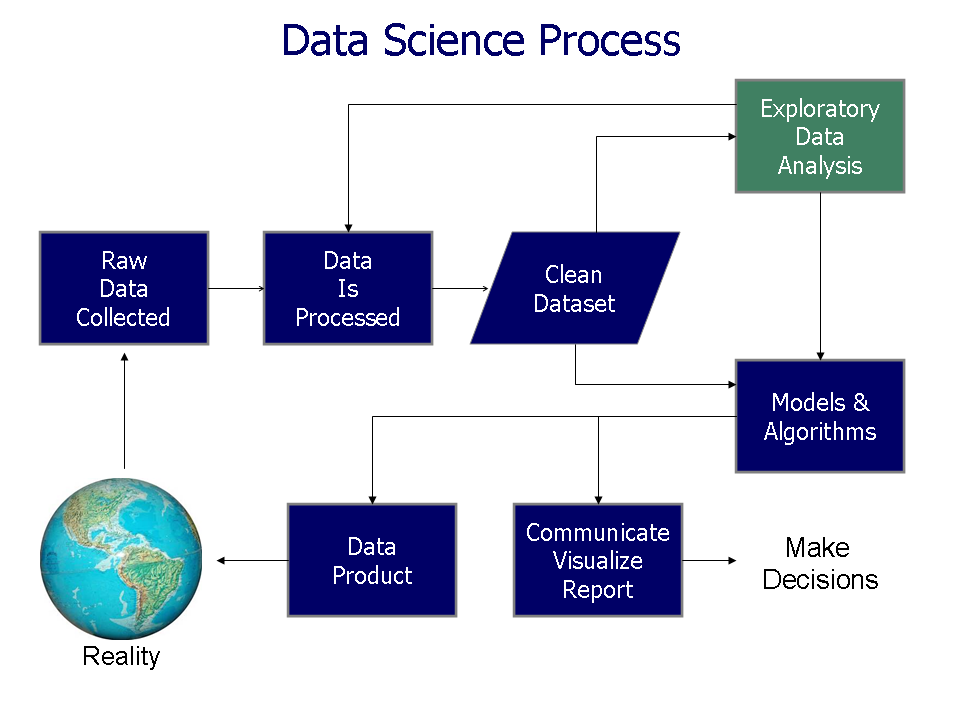
The journey typically involves a few key stages:
- Ask the Right Question: It all starts with a goal. What problem are we trying to solve? For example, a business might want to know, "Which of our marketing campaigns is most effective?"
- Collect Data: The analyst then gathers the necessary information. This could come from sales reports, customer surveys, website traffic, or public databases.
- Clean and Prepare: Raw data is often messy. It might have errors, duplicates, or missing pieces. A huge part of an analyst's job is cleaning this data to make it accurate and reliable for analysis.
- Analyze and Explore: This is the core detective work. The analyst uses various techniques to sift through the clean data, looking for patterns, trends, and connections. Are sales higher on weekends? Do customers who buy one product tend to buy another?
- Interpret and Visualize: Once insights are found, they need to be communicated. Analysts create charts, graphs, and dashboards to present their findings in a way that's easy for others to understand. This is where data becomes a story.
The Analyst's Toolkit
To succeed as a data analyst, you need a mix of technical skills and foundational qualities. The best analysts are naturally curious and are great problem-solvers. They enjoy digging into a problem and finding the story hidden in the data. They also need to be strong communicators who can explain complex findings simply.
On the technical side, analysts use a variety of tools to get the job done. While you'll learn these in detail later, it's good to know what they are.
| Category | Key Skills & Tools |
|---|---|
| Mindset | Curiosity, Critical Thinking, Problem-Solving |
| Communication | Storytelling, Data Visualization |
| Core Tools | Spreadsheets (Excel, Google Sheets), SQL (for databases) |
| Advanced Tools | Programming (Python, R), Visualization Software (Tableau) |
Data Analysis in the Wild
Data analysis isn't just for tech companies. It's used everywhere, in almost every industry you can think of.
In Retail: Ever wonder how an online store knows exactly what to recommend? It's analyzing your past purchases and browsing history to predict what you'll like next.
In Healthcare: Hospitals analyze patient data to identify patterns in diseases, helping them predict outbreaks and improve treatments.
In Finance: Banks use data analysis to detect fraudulent transactions in real-time, protecting customers' accounts.
In Entertainment: Streaming services like Netflix analyze viewing data to decide which new shows and movies to produce.
From improving a sports team's strategy to making city traffic flow more smoothly, data analysis is a powerful tool for understanding and improving the world around us.
Ready to check what you've learned?
What is the primary goal of data analysis?
A data analyst receives a sales report filled with duplicate entries and missing customer information. Which stage of the data analysis process is most critical to address this issue?
This introduction gives you a map of the data analysis landscape. You now know what it is, why it matters, and what a career in this field looks like. Next, you'll start digging into the specific skills and tools that bring data to life.