Data Analysis Fundamentals
Introduction to Data Analysis
What Is Data Analysis?
Data analysis is the process of turning raw facts and figures into useful information. Think of it like being a detective. You gather clues (data), examine them closely, and piece them together to solve a mystery or understand what happened. Without this process, data is just a collection of numbers and text with no real meaning.
Data Analysis
noun
The process of inspecting, cleansing, transforming, and modeling data with the goal of discovering useful information, informing conclusions, and supporting decision-making.
The main goal is to make better decisions. Instead of relying on a gut feeling or a guess, data analysis allows businesses, scientists, and governments to base their choices on evidence. It helps answer questions like, "Which marketing campaign was most effective?" or "What factors are contributing to climate change?" By finding patterns and insights hidden within the data, we can understand the past and make better predictions about the future.
Data provides the clues, but analysis tells the story.
The Data Analysis Process
Data analysis isn't a single action but a series of steps. While the exact stages can vary, they generally follow a cycle of defining a question, gathering information, preparing it for study, finding insights, and sharing the results. It's an organized way to get from a messy pile of data to a clear, actionable conclusion.
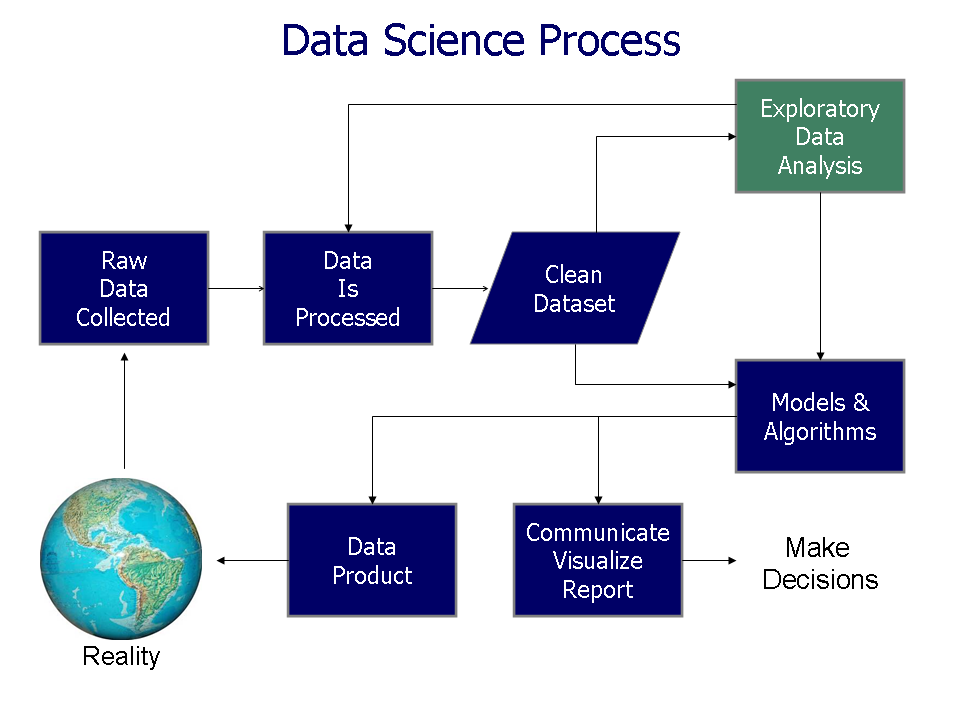
This cycle usually involves a few key phases:
-
Defining the Goal: It all starts with a question. What are you trying to figure out? A clear objective guides the entire process.
-
Collecting Data: Once you know your goal, you need to gather the relevant information. This is the raw material for your analysis.
-
Cleaning Data: Real-world data is rarely perfect. It might have errors, missing values, or inconsistencies. This step involves tidying up the dataset to make it accurate and usable.
-
Analyzing Data: This is the core of the process. Here, you'll explore the data, look for patterns, build models, and test hypotheses to find answers to your initial question.
-
Interpreting and Communicating Results: After the analysis, you need to figure out what your findings mean and present them in a way that others can understand, often using charts, graphs, and reports.
The data analysis process is a structured approach to extracting insights from data.
Data Analysis in Action
Data analysis isn't just for tech companies or scientists in labs. It's used in almost every field imaginable to solve practical problems and drive progress.
| Field | Application of Data Analysis |
|---|---|
| Healthcare | Predicting disease outbreaks, improving patient care, and making treatments more effective by analyzing patient data and clinical trials. |
| Finance | Detecting fraudulent transactions, assessing investment risks, and predicting stock market trends. |
| Retail | Understanding customer buying habits, managing inventory, and creating personalized marketing campaigns. |
| Transportation | Optimizing shipping routes for companies like FedEx and UPS, and helping city planners manage traffic flow. |
| Entertainment | Recommending movies or songs you might like, based on your viewing history and what similar users enjoy. |
In each case, the goal is the same: to use data to understand a situation more deeply and make a smarter, more informed decision.