Data Analysis for Social Science and Health
Introduction to Data Analysis
What Is Data Analysis?
Data analysis is the process of turning raw information into useful insights. Think of it like putting together a puzzle. You start with a box full of jumbled pieces—that’s your data. By carefully sorting, cleaning, and connecting the right pieces, you can create a clear picture that tells a story.
In more formal terms, it's a process of inspecting, cleaning, transforming, and modeling data. The goal is to discover useful information, draw conclusions, and support decision-making. Without analysis, data is just a collection of numbers and text. With it, we can answer questions and solve problems.
Data analysis is a critical process in transforming raw data into meaningful insights that drive decision-making and strategy.
Why It Matters
Data analysis is essential in many fields, especially the social sciences and health professions. It helps professionals move from guesswork to evidence-based decisions.
In social science, analysis can reveal societal trends. A sociologist might analyze survey data to understand public opinion on a new policy, helping lawmakers see its potential impact. An education researcher could analyze test scores to determine if a new teaching method is actually helping students learn.
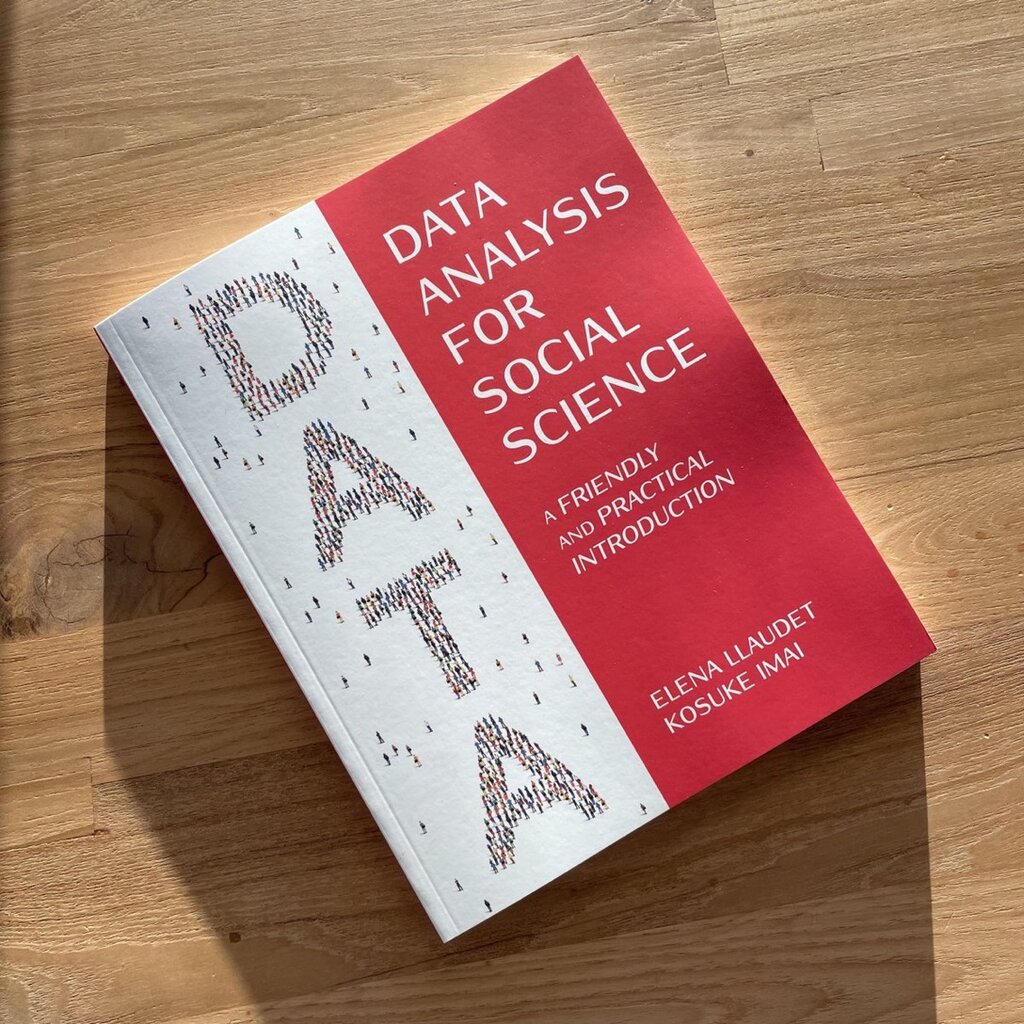
In the health professions, data analysis saves lives. Public health officials analyze data to track the spread of a virus and predict where it might go next. Doctors can analyze patient outcomes to figure out which treatments are most effective for a particular illness. This helps ensure patients get the best care possible.
The Data Analysis Process
Data analysis isn't a single action but a sequence of steps. While the exact details can vary, the overall process generally follows a clear path from raw data to actionable insight.
1. Data Collection: This is where it all starts. Data can be collected through surveys, interviews, experiments, or from existing records like patient charts or census data.
2. Data Cleaning: Raw data is rarely perfect. It might have typos, missing entries, or duplicates. Cleaning, also known as preprocessing, involves fixing these errors to make sure the data is accurate and ready for analysis. It's often the most time-consuming part of the process, but it's critical for getting reliable results.
Think of data cleaning like washing vegetables before you cook. If you skip this step, the final dish might be ruined.
3. Data Analysis: Once the data is clean, the actual analysis begins. This is where you explore the data to find patterns, relationships, and trends. It can involve calculating averages, looking for correlations between different pieces of information, or building models to make predictions.
4. Interpretation: The final step is to figure out what your findings mean. What story does the data tell? What conclusions can you draw? This step involves using your judgment and domain knowledge to translate the numerical results into a meaningful narrative and actionable recommendations.
Some Basic Terms
As you begin your journey into data analysis, you'll encounter some common terms. Here are a few to get you started.
Data
noun
Raw, unorganized facts and figures. These can be numbers, text, observations, or measurements.
Data is the foundational element of any analysis.
Variable
noun
A characteristic, number, or quantity that can be measured or counted. It's called a variable because its value may vary between data units in a population.
Think of variables as the columns in a spreadsheet, like 'Height' or 'Test Score'.
Dataset
noun
A collection of related data, typically organized in a structured format like a table. Each row corresponds to an individual record, and each column corresponds to a variable.
Now that you have a grasp of the basics, let's test your understanding.
Which of the following best describes the primary goal of data analysis?
In the data analysis process, which step typically requires the most time and is critical for ensuring reliable results?
Understanding these fundamental concepts is the first step toward using data to make smarter, more informed decisions in your field.