Data Analysis Essentials
Introduction to Data Analysis
Turning Data into Decisions
Data analysis is the process of cleaning, changing, and processing raw data to find information you can use to make better decisions. Think of it like being a detective. You start with a pile of clues—raw data—and your job is to sort through them, find patterns, and piece together a story that solves a mystery or answers a question.
Without analysis, data is just a collection of numbers and text. It doesn't mean much on its own. The real power comes from turning that raw material into insight. This is why data analysis is so important. It helps businesses understand their customers, scientists make new discoveries, and governments create better policies. It's about moving from guesswork to informed choices.
Data analysis transforms raw facts into a clear story, helping us see what’s working, what isn’t, and what to do next.
The Analysis Process
While every project is different, the journey from raw data to final insight generally follows a consistent path. This process ensures that the conclusions are reliable and based on a solid foundation.
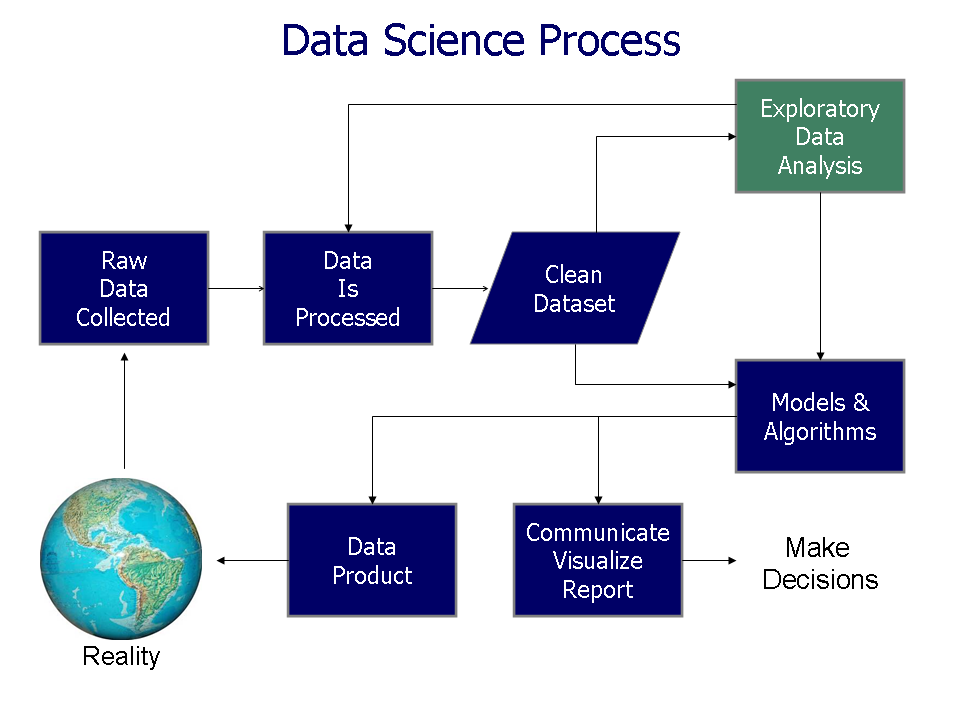
The journey has a few key stages:
-
Data Collection: This is the starting point. Data is gathered from various sources, such as customer surveys, sales transactions, website traffic, or scientific experiments. The goal is to collect the raw materials needed for analysis.
-
Data Cleaning: Real-world data is often messy. It might have errors, missing entries, or inconsistencies. Cleaning involves tidying up the dataset to make it accurate and usable. It's a crucial step that prevents misleading results later on.
-
Exploration and Visualization: Once the data is clean, the investigation begins. Analysts explore the data to understand its main features, often using charts and graphs. This visual approach helps spot trends, patterns, and unusual data points that might not be obvious from looking at a spreadsheet.
-
Interpretation: This is where the story comes together. The analyst interprets the findings from the exploration phase to answer the original question. What do the patterns mean? What conclusions can be drawn? The final step is communicating these insights clearly to others, often through reports or presentations.
Data Analysis in Action
Data analysis isn't just a technical exercise; it has a real impact across many fields. Here are a few examples:
-
Retail: Online stores analyze your past purchases and browsing history to recommend products you might like. This personalization is powered by data analysis.
-
Healthcare: Hospitals analyze patient data to identify risk factors for diseases and improve treatment plans. It can help predict which patients are most likely to have complications, allowing doctors to intervene earlier.
-
Finance: Banks use data analysis to detect fraudulent transactions in real time. By spotting unusual spending patterns, they can protect customers' accounts from theft.
-
Entertainment: Streaming services like Netflix analyze viewing data to decide which TV shows and movies to produce. They know what kinds of stories their audience loves because the data tells them.
In each case, data provides the evidence needed to make smarter, more effective decisions.
Ready to check your understanding? Let's see what you've learned.
What is the primary goal of data analysis?
A data analyst receives a dataset with many missing values and typos. Which stage of the data analysis process should they focus on first?
Understanding the core concepts of data analysis is the first step toward using data to find answers and tell compelling stories.