DarkFighter vs ColorVu Camera Technology
Introduction to Hikvision Camera Technologies
Seeing in the Dark
When it comes to security, what you can't see can definitely hurt you. A grainy, unclear image from a surveillance camera is almost as bad as no image at all. This is especially true at night or in poorly lit areas, which are often when security is most critical. Hikvision, a major player in the video surveillance industry, has developed specialized technologies to tackle this exact problem.
Effective surveillance isn't just about recording what happens; it's about capturing clear, usable footage regardless of the lighting conditions. Whether it's identifying a license plate in a dim parking garage or a person's face in a shadowy alley, the quality of low-light imaging can be the difference between a useful piece of evidence and a useless blur. This need for clarity in the dark has driven significant innovation in camera technology.
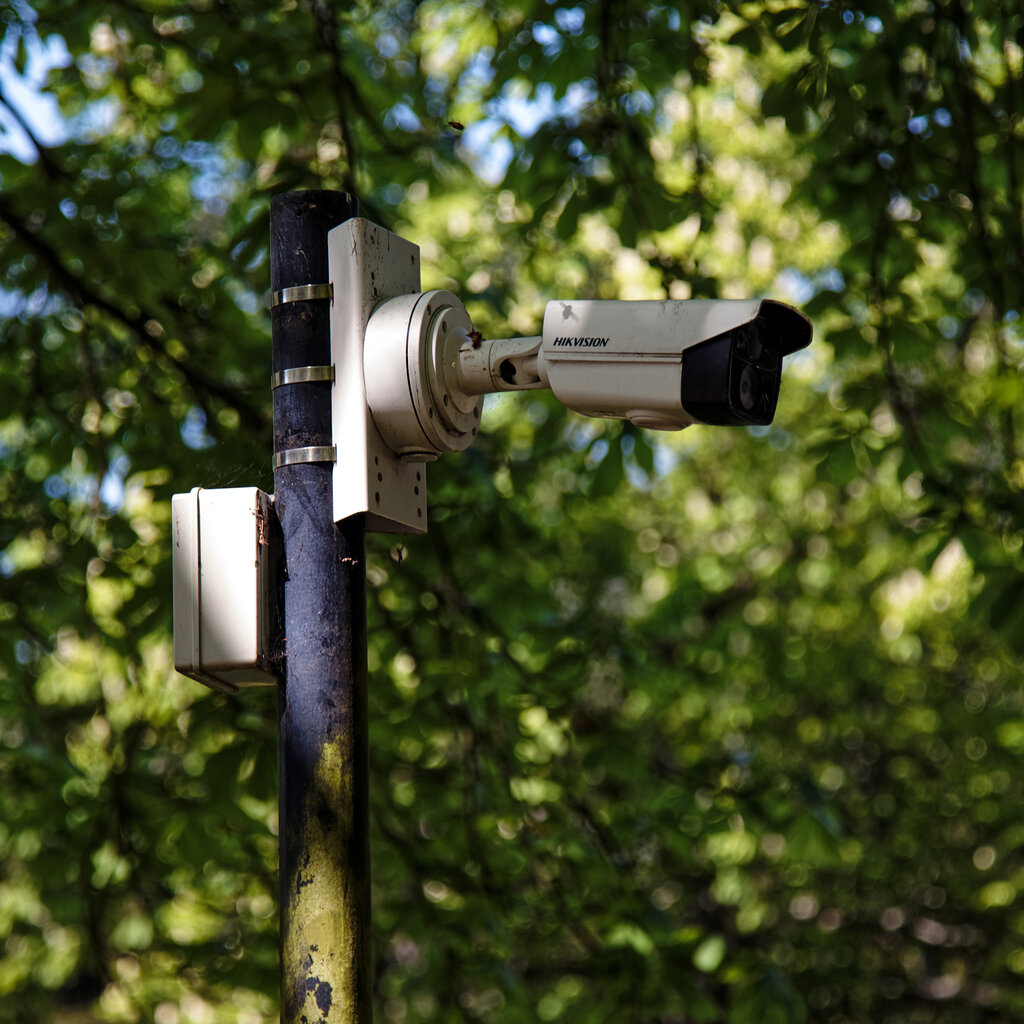
Two Approaches to Night Vision
To solve the challenge of low-light surveillance, Hikvision offers two primary technologies: DarkFighter and ColorVu. Each has a different approach to capturing images when light is scarce.
Think of it like this: your own eyes are great during the day, but struggle in the dark. These technologies give cameras superhuman vision, allowing them to see far better than we can at night.
DarkFighter technology is designed for ultra-low-light environments. These cameras use large sensors and advanced image processing to capture sharp, clear images even in near-total darkness. The result is typically a crisp black-and-white image that reveals details invisible to the naked eye.
ColorVu technology, on the other hand, aims to provide full-color images 24/7. By using a large aperture, an advanced sensor, and supplemental lighting, ColorVu cameras can render vivid, colorful footage even in very dark settings. This helps with identifying key details like the color of a car or a person's clothing.
Both technologies are powerful tools for nighttime security, but they excel in different scenarios. Understanding how each one works is key to choosing the right camera for a specific need.