Dante's Inferno Explained
Introduction to Dante's Inferno
A Journey Through the Afterlife
Before there were horror movies or epic fantasy novels, there was 'The Divine Comedy'. It’s a sweeping poem written in the early 1300s by an Italian poet named Dante Alighieri. The poem is a massive, three-part adventure through the Christian afterlife: Hell, Purgatory, and Heaven.
Our focus is on the first and most famous part, 'Inferno', which is Italian for "Hell." In this story, Dante himself is the main character. Lost in a dark wood on the eve of Good Friday, he finds himself on a guided tour through the nine circles of Hell. It’s a chilling, imaginative, and deeply human story about sin, justice, and the search for salvation.
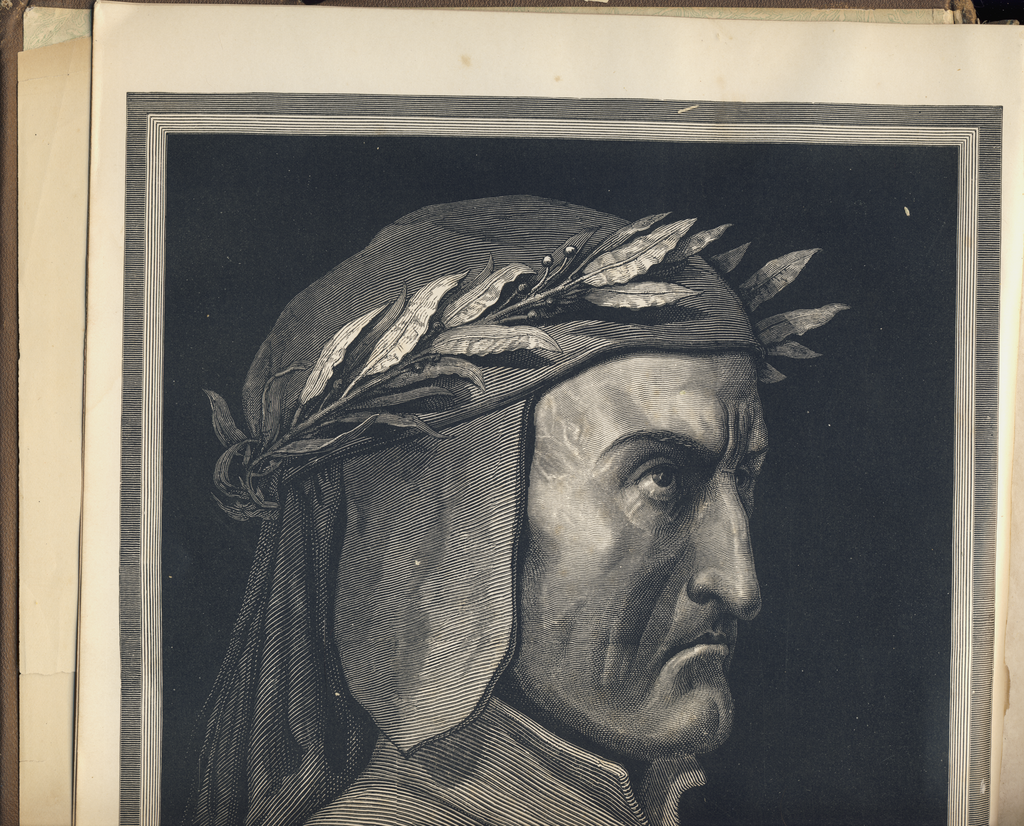
'The Divine Comedy' is more than just a story; it's an allegory. The journey isn't just a physical trip through the underworld. It represents the soul's journey away from sin and toward God. Dante, the character, represents all of humanity, struggling with confusion and fear. His journey through Hell is the first step in understanding the nature of sin in order to reject it.
Think of 'Inferno' as the ultimate cautionary tale, a vivid exploration of the consequences of our choices on Earth.
The Man and His World
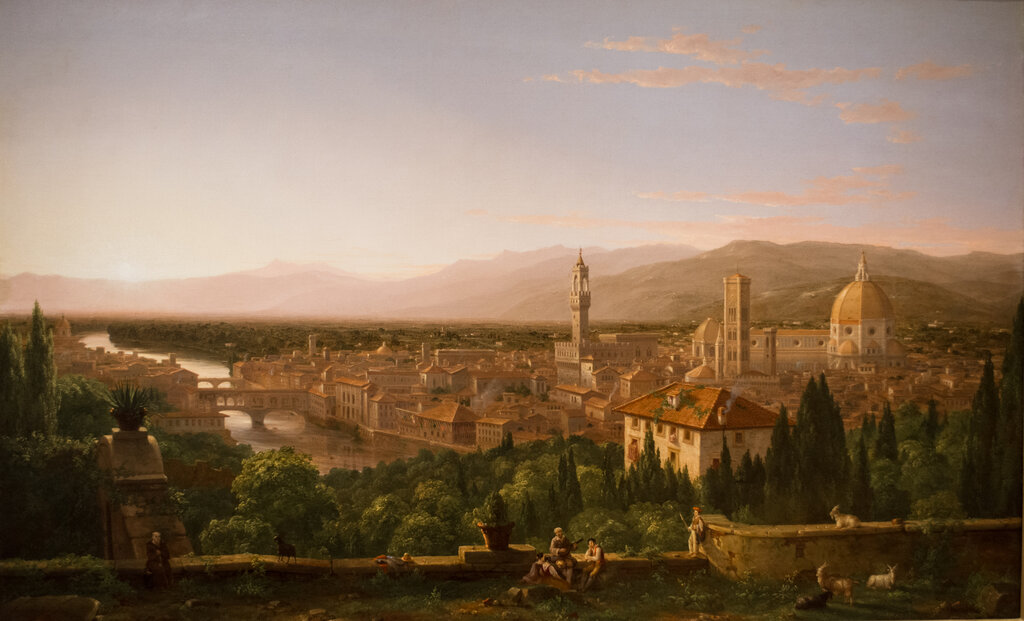
To understand 'Inferno', you need to know a little about Dante Alighieri. He wasn't just a poet; he was a politician in Florence, Italy, during a time of intense political turmoil. Two major factions, the Guelphs and the Ghibellines, were constantly fighting for power. Dante's side, the White Guelphs, eventually lost, and in 1302, he was exiled from his beloved city under penalty of death.
He would never return to Florence. This painful exile deeply shaped his work. 'Inferno' is filled with figures from his own time, including politicians, popes, and poets. He uses the structure of Hell to pass judgment on his enemies and explore the moral failings he saw in the world around him. The poem was his way of making sense of a world he felt had gone astray.
Dante also wrote 'The Divine Comedy' in the Italian vernacular of his region, not in Latin, which was the language of scholars and the Church. This was a bold choice. It made his work accessible to a much wider audience and helped establish the Tuscan dialect as the basis for the modern Italian language.
Mapping the Underworld
Dante's journey isn't a solo trip. He's guided by Virgil, an ancient Roman poet whom Dante deeply admired. Virgil represents human reason and wisdom, and he acts as a protector and teacher, explaining the sights and sounds of Hell.
The narrative follows a clear path. Dante and Virgil descend through nine concentric circles, each one dedicated to a particular category of sin. The sins become more severe the deeper they go, from sins of weakness like lust and gluttony at the top, to sins of malice and betrayal at the bottom. This structure reflects a core theme: that divine justice is not random but perfectly ordered. Each punishment is a symbolic reflection of the sin itself, a concept known as contrapasso.

The narrative of Dante Inferno follows the journey of the protagonist, Dante himself, through the nine circles of Hell, guided by the Roman poet Virgil.
As they travel, they encounter souls of the damned, famous figures from history, mythology, and Dante's own time. These conversations are central to the poem. They aren't just lists of sinners; they are dramatic, emotional, and often tragic encounters that force Dante—and the reader—to confront the human reality of sin.
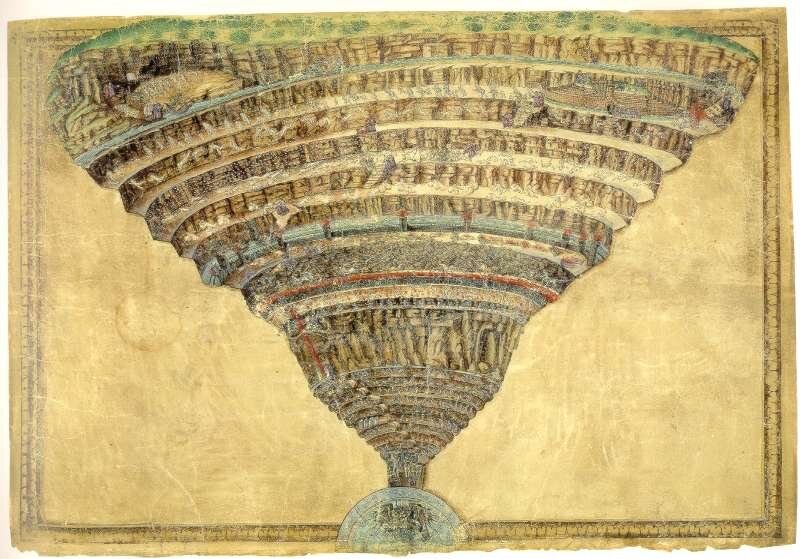
This journey into darkness is the necessary first step for Dante's spiritual education. He must see the full spectrum of human evil to understand its horror and ultimately, to climb toward the light of Purgatory and Paradise.
Let's see what you've learned about Dante's epic.
What is the primary allegorical meaning of Dante's journey through Hell in 'Inferno'?
The principle that governs the punishments in the 'Inferno', where each punishment is a symbolic reflection of the sin itself, is known as...
With this foundation, you're ready to take the first steps into the dark wood alongside Dante.