Dante Alighieri and the Divine Comedy
Dante's Early Life
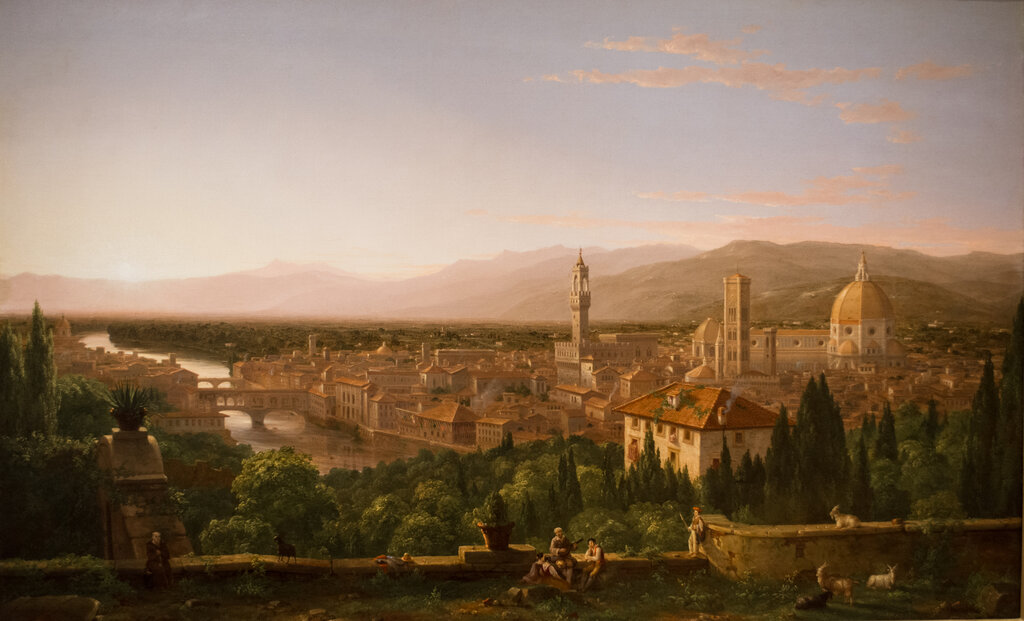
A Florentine Boyhood
Dante Alighieri was born in Florence in 1265 into a family of the lower nobility. They weren't wealthy or powerful, but they had a respectable name and a long history in the city. His family, the Alighieri, were loyal Guelphs—a political faction that supported the authority of the Pope over the Holy Roman Emperor.
His mother died when he was a boy, and his father, Alighiero di Bellincione, remarried. While not much is known about his father, he seems to have been a man of modest financial dealings. Dante's upbringing was comfortable but far from lavish, giving him a front-row seat to the daily life and simmering tensions of a bustling medieval city.
Learning and Love
Dante's formal education is not well documented, but it's clear from his writings that he received an excellent one for his time. He likely attended one of the grammar schools run by religious orders in Florence, where he would have studied Latin, the foundation of all serious learning. He immersed himself in classical poetry, especially the works of the Roman poet Virgil, whom he came to see as a master and guide.
A key figure in his intellectual development was Brunetto Latini, a respected Florentine statesman and scholar. Dante doesn't seem to have been his formal student, but he deeply admired Latini and learned from him how a man of letters could engage with public life and civic duty. This mentorship showed Dante how to apply his learning to the real world.
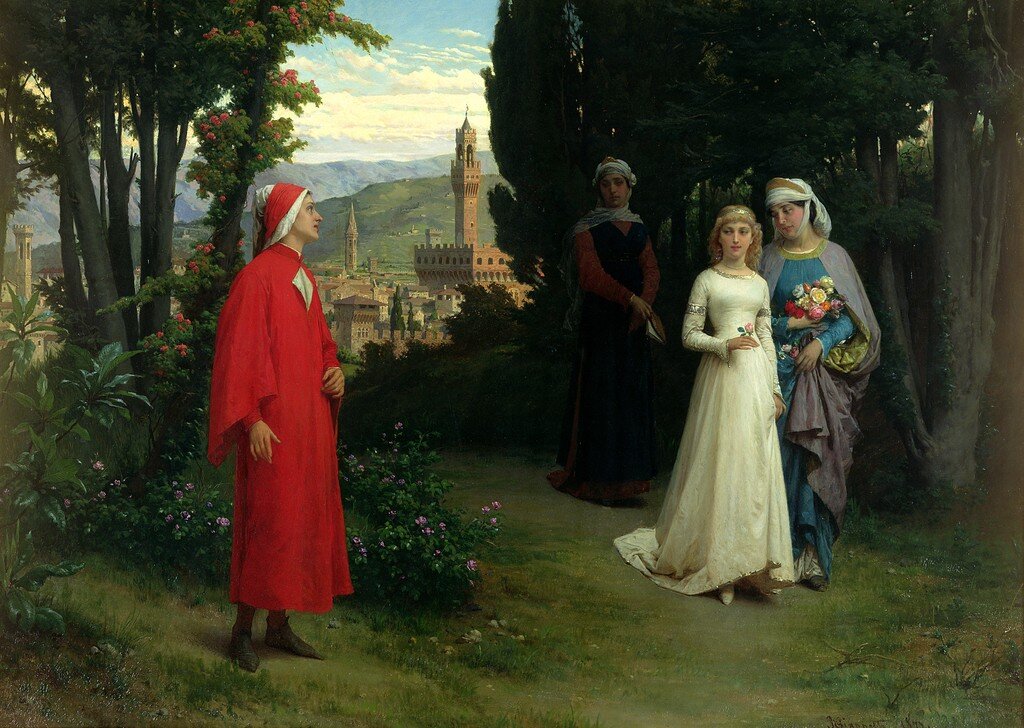
Beyond classical literature, Dante was also a student of the new poetic style emerging in Italy. He was part of a circle of Tuscan poets who developed the dolce stil novo, or "sweet new style," a form of love poetry that was more philosophical and introspective than what had come before. At the heart of this poetic inspiration was a real person: Beatrice Portinari. Dante first saw her when they were both nine years old and was instantly captivated. Though they barely spoke, she became his lifelong muse, an idealized figure of love and spiritual purity who would guide him in his greatest work.
A City Divided
Growing up in 13th-century Florence meant growing up in the middle of a political firestorm. For generations, the city had been torn apart by a bitter conflict between two rival factions: the Guelphs and the Ghibellines.
Guelph
noun
A political faction in medieval Italy that generally supported the Pope against the authority of the Holy Roman Emperor.
Ghibelline
noun
A political faction in medieval Italy that generally supported the authority of the Holy Roman Emperor against the Pope.
The conflict wasn't just about abstract loyalties. It was a brutal struggle for power that pitted noble families against each other, divided the city street by street, and frequently erupted into open warfare. Control of Florence swung back and forth between the two sides. One faction would seize power, exile their enemies, and tear down their homes, only to be overthrown and exiled themselves years later.
Loyalty was a matter of family and survival. You were born into a faction, and its feuds became your own.
During Dante's youth, the Guelphs finally gained a lasting advantage. But victory didn't bring peace. With their common enemy defeated, the Guelphs themselves fractured into two new factions: the Black Guelphs and the White Guelphs. This new split, rooted in family rivalries and political differences, would set the stage for the next chapter of Florence's turmoil—and shape the course of Dante's life.
Let's review what we've learned about Dante's formative years.
What was the political allegiance of Dante's family?
Which individual served as Dante's primary muse and an idealized figure of spiritual purity in his poetry?