Dan Senecal and the 2016 Election
Introduction to Political Campaigns
What Is a Political Campaign?
A political campaign is an organized effort to win an election. It’s much more than just yard signs and television ads. At its core, a campaign is a temporary organization built with one specific goal: getting a candidate elected to office.
Think of it like a startup company. It has a clear mission, a limited timeframe, and a team dedicated to achieving a single objective. Campaigns connect a candidate with voters, communicate a message, and persuade people to cast their ballot on election day. They are the engine of democratic competition.
The Building Blocks
Every campaign, whether for city council or president, is built from a few essential components that work together. Understanding these parts helps demystify how campaigns operate.
- The Candidate: This is the person running for office. Their personality, experience, and vision are central to the campaign.
- The Message: This is what the campaign is about. It’s the core set of ideas and values the candidate wants to communicate to voters. A strong message is simple, memorable, and consistent.
- The Voters: These are the people the campaign needs to persuade. Campaigns spend a lot of time and money identifying their target voters and understanding what issues matter to them.
- The Strategy: This is the high-level plan for how to win. It answers big questions like which groups of voters to target, what message will resonate with them, and how to allocate resources like time and money.
- The Tactics: These are the specific actions the campaign takes to execute its strategy. Tactics include everything from knocking on doors and making phone calls to running digital ads and holding rallies.
The Campaign Team
No candidate can run a campaign alone. A dedicated team of staff and volunteers is needed to manage the day-to-day operations. While the size of a campaign team can range from a few friends helping out in a local race to hundreds of paid staffers in a national election, the key roles are often similar.
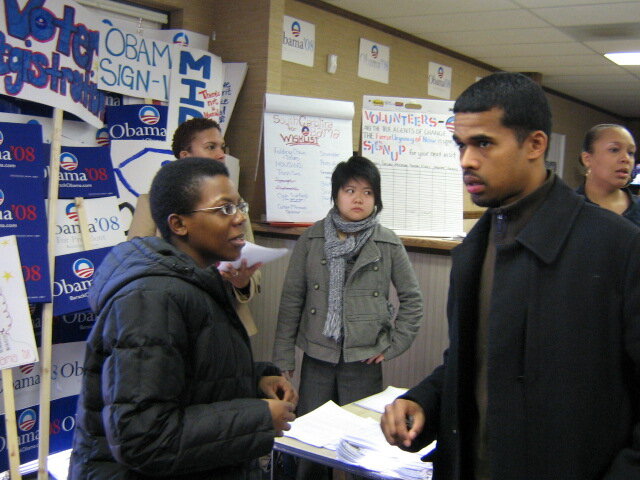
Here are some of the most common roles you'll find on a campaign team.
| Role | Responsibility |
|---|---|
| Campaign Manager | The CEO of the campaign. Oversees all aspects, from budget to strategy, and makes sure the team is working together. |
| Finance Director | In charge of fundraising. Plans events, solicits donations, and ensures the campaign complies with finance laws. |
| Communications Director | Shapes and delivers the campaign's message. Manages media relations, speeches, and social media. |
| Field Director | Runs the get-out-the-vote (GOTV) operation. Organizes volunteers to contact voters directly through canvassing and phone banks. |
| Policy Director | Advises the candidate on key issues and helps develop policy positions. Often drafts briefing materials and position papers. |
| Volunteers | The ground force of the campaign. They knock on doors, make calls, enter data, and perform countless other tasks. |
Together, these individuals form a dynamic organization focused on a single deadline: Election Day. Each part, from the overarching strategy to the individual volunteer, plays a crucial role in the campaign's success.
What is the single, primary goal of a political campaign?
The core set of ideas and values the candidate wants to communicate to voters is known as the campaign's ____.