Daily Meditation for Stress Reduction
Understanding Stress
The Body's Alarm System
Stress is your body's natural reaction to a challenge or demand. Think of it as an internal alarm system. When you face a perceived threat, whether it's a looming deadline or a near-miss in traffic, your body goes on high alert. This response isn't inherently bad. In fact, in short bursts, it can help you stay focused, energetic, and able to handle tough situations.
Stressor
noun
Any event, thought, or stimulus that causes stress.
This immediate reaction is often called the "fight-or-flight" response. It's a survival mechanism hardwired into our brains. When triggered, your brain floods your body with hormones to prepare you to either face the threat head-on or run away to safety. This process involves a chain of command starting in the brain.
Your brain's hypothalamus signals your pituitary gland, which then tells your adrenal glands to release stress hormones.
Physical and Mental Effects
The two main stress hormones are adrenaline and cortisol. Adrenaline increases your heart rate, elevates your blood pressure, and boosts energy supplies. Cortisol, the primary stress hormone, increases sugars (glucose) in the bloodstream, enhances your brain's use of glucose, and curbs functions that would be nonessential in a fight-or-flight situation.
This complex hormonal flood results in noticeable physical changes: your muscles tense, your breath quickens, and your senses become sharper. It's an incredible mobilization of your body's resources. Psychologically, you might feel anxious, irritable, or have trouble concentrating as your mind races to process the threat. This is your brain prioritizing survival over other cognitive functions.
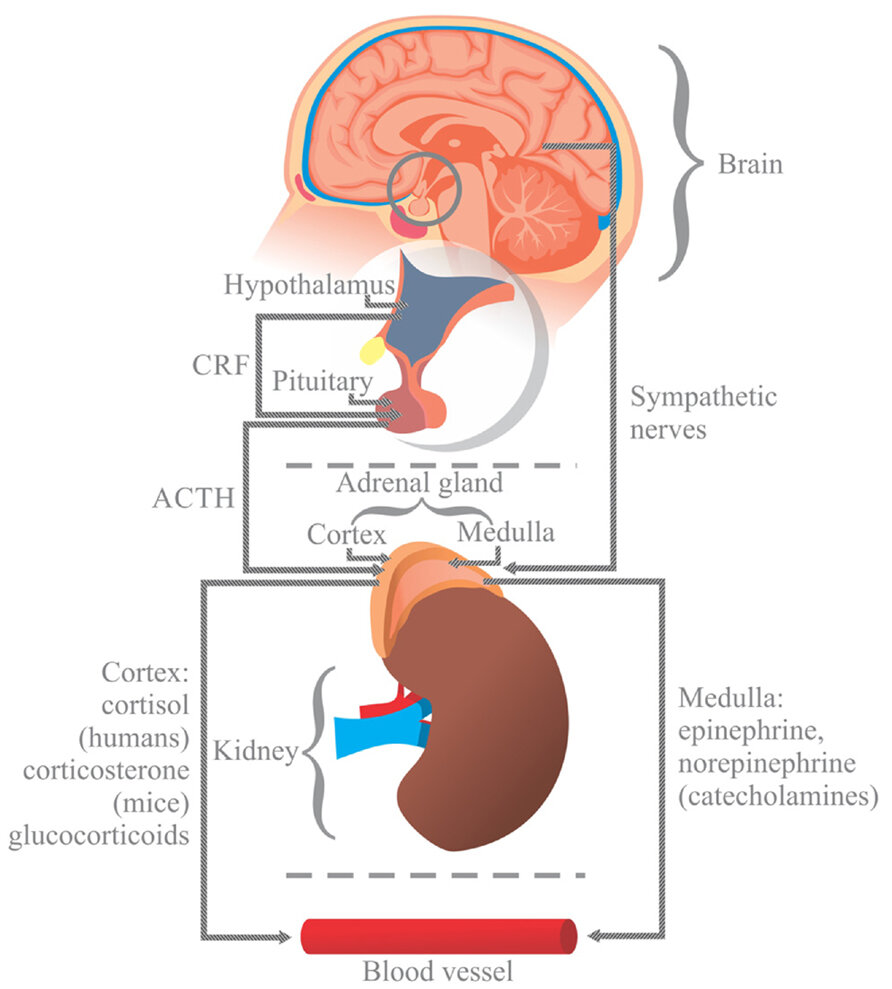
This response is designed to be temporary. Once the perceived threat has passed, your hormone levels should return to normal. Your heart rate and blood pressure drop, and other systems resume their regular activities. But what happens when the alarm system doesn't shut off?
The Cost of Chronic Stress
Modern life is full of persistent stressors like work pressure, financial worries, and relationship problems. When these stressors are always present, the fight-or-flight response stays activated. This long-term activation is known as chronic stress.
Chronic stress means your body's alarm is constantly on. This sustained state of high alert can seriously disrupt nearly all of your body's processes.
Over time, the overexposure to cortisol and other stress hormones can wreak havoc on your health. It puts you at increased risk for numerous health problems, including:
- Heart disease and high blood pressure
- Weakened immune system
- Digestive problems
- Anxiety and depression
- Headaches and muscle pain
- Sleep problems
- Weight gain
- Memory and concentration impairment
This is why stress management is so critical. It's not about eliminating stress entirely, which is impossible. It's about learning how to manage it effectively to prevent it from becoming a chronic issue that undermines your physical and mental well-being.
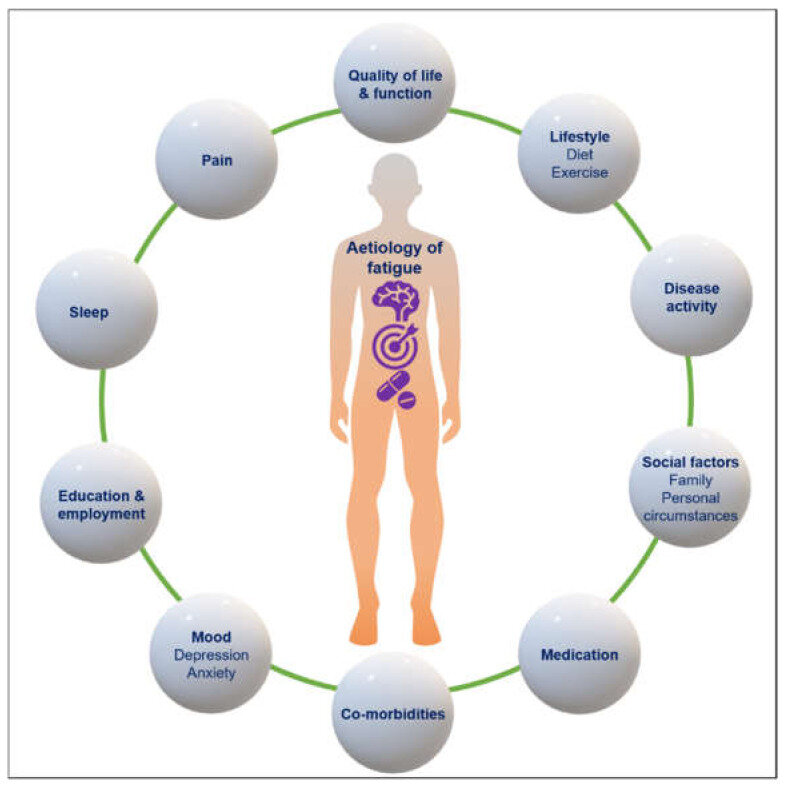
Recognizing the sources of your stress and its effects on your body is the first step toward taking control. By understanding how this internal alarm works, you can learn to turn down the volume when it's not needed.