Daily Meditation for Stress Reduction
Understanding Stress
What Is Stress?
Stress is your body's natural response to any demand or threat. When you sense danger, whether it's real or imagined, your body's defenses kick into high gear in a rapid, automatic process known as the "fight-or-flight" response. Think of it like a biological alarm system.
This response is your body's way of protecting you. When working properly, it helps you stay focused, energetic, and alert. In an emergency, stress can save your life, giving you extra strength to defend yourself or slam on the brakes to avoid a car accident.
Stressor
noun
Anything that causes the release of stress hormones.
This entire process is managed by a complex network called the hypothalamic-pituitary-adrenal (HPA) axis. When your brain perceives a threat, the hypothalamus signals the pituitary gland, which in turn signals the adrenal glands to release a surge of hormones, including adrenaline and cortisol.
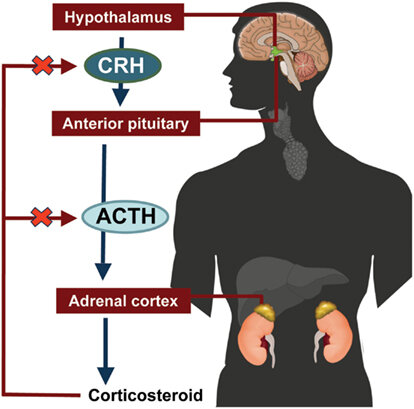
Your Body on Stress
Adrenaline increases your heart rate, elevates your blood pressure, and boosts energy supplies. Cortisol, the primary stress hormone, increases sugars (glucose) in the bloodstream, enhances your brain's use of glucose, and increases the availability of substances that repair tissues. It also curbs functions that would be nonessential in a fight-or-flight situation.
Your immune system response is altered, and your digestive and reproductive systems are suppressed. This complex natural alarm system also communicates with regions of your brain that control mood, motivation, and fear.
In the short term, these physical changes give you the focus and strength to deal with a threat. Your senses become sharper, your reflexes quicker, and your endurance higher.
Your Mind on Stress
Stress doesn't just affect your body; it has a significant impact on your psychological state. Emotionally, you might feel anxious, irritable, or easily frustrated. It can be hard to relax or quiet your mind. Many people experience a sense of being overwhelmed, as if they're losing control.
Cognitively, stress can make it difficult to concentrate, make decisions, or remember things. You might find yourself worrying constantly or seeing only the negative side of situations. These mental effects are just as real as the physical ones and are a direct result of the hormones flooding your system.

Not All Stress Is the Same
It's important to distinguish between two main types of stress: acute and chronic. While they trigger the same hormonal response, their duration, causes, and long-term effects are very different.
| Feature | Acute Stress | Chronic Stress |
|---|---|---|
| Duration | Short-term | Long-term, constant |
| Cause | Specific, immediate event (e.g., a deadline, an argument) | Persistent situations (e.g., a difficult job, financial worries) |
| Effect | Can be exciting and motivating, improves performance | Draining, causes serious health problems |
| Resolution | Ends after the event passes | Continues indefinitely |
Acute stress is the kind you experience when you have to give a presentation or navigate a tricky social situation. It’s intense but brief. Once the challenge is over, your body's systems return to normal. This type of stress can even be beneficial, helping you perform under pressure.
Chronic stress, on the other hand, is when the stressor doesn't go away. Your body's alarm system stays on, day after day. This constant activation is what leads to significant health issues.
The Weight of Chronic Stress
When your body is constantly in a high-alert state, it takes a toll. The long-term activation of the stress-response system and the overexposure to cortisol and other stress hormones that follows can disrupt almost all your body's processes. This puts you at increased risk for many health problems.
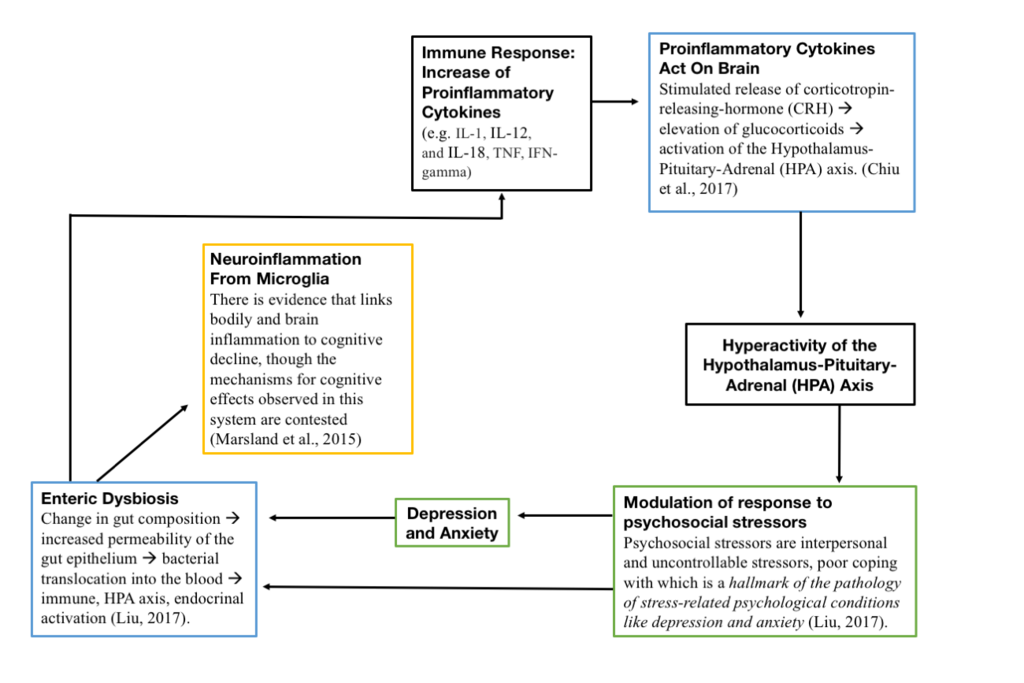
Some of the most serious consequences of chronic stress include:
- Cardiovascular Disease: Elevated heart rate and blood pressure can damage arteries and increase the risk of heart attack and stroke.
- Weakened Immune System: Persistent cortisol can suppress the immune system, making you more vulnerable to infections and illnesses.
- Mental Health Issues: Chronic stress is a major contributor to anxiety, depression, and other mood disorders.
- Digestive Problems: Stress can disrupt the gut-brain axis, leading to conditions like irritable bowel syndrome (IBS), gastritis, and ulcers.
- Sleep Problems: An overactive stress response can interfere with sleep patterns, leading to insomnia and fatigue.
What is the primary purpose of the body's 'fight-or-flight' response?
Which sequence correctly describes the activation of the HPA axis, the body's central stress response system?
Understanding what stress is and how it affects you is the first step. By recognizing its signs and impacts, you can begin to see why managing it is so crucial for your overall well-being.