D-Block Element Oxidation State Trends
Introduction to d-Block Elements
The Transition Metals
In the central part of the periodic table, spanning groups 3 through 12, you'll find the d-block elements. These are often called the transition metals. They act as a bridge, or a transition, between the highly reactive metals on the left side of the table (like sodium) and the nonmetals on the right (like oxygen).
What sets them apart is how their electrons are arranged. As you move across this block, electrons are added to the d-orbitals of the atom, which are one energy level below the outermost shell. This unique electron configuration is the key to all their interesting properties.
This central position isn't just about location. It profoundly influences how these elements behave chemically.
What Makes Them Special
Unlike the metals in groups 1 and 2, which typically form ions with a single, predictable charge (like or ), most d-block elements are known for their variable oxidation states. This means they can lose different numbers of electrons to form different positive ions.
Iron (Fe) is a classic example. It can lose two electrons to form the iron(II) ion, , or it can lose three electrons to form the iron(III) ion, . This flexibility is due to the small energy difference between their outermost s-electrons and the inner d-electrons. The atom can lose electrons from both orbitals, leading to multiple stable ions.
Variable oxidation states allow transition metals to participate in a wide variety of chemical reactions.
Another striking feature of transition metals is their tendency to form colorful compounds. The vibrant colors of many gemstones, like the red of a ruby (chromium) or the blue of a sapphire (iron and titanium), come from d-block elements.
This coloration happens because the d-orbitals within the metal ions are split into different energy levels. When light passes through, electrons can absorb specific wavelengths (colors) of light to jump to a higher energy level. The colors we see are the wavelengths of light that are not absorbed. For example, copper(II) sulfate solution is blue because it absorbs orange and red light, letting the blue light pass through to our eyes.
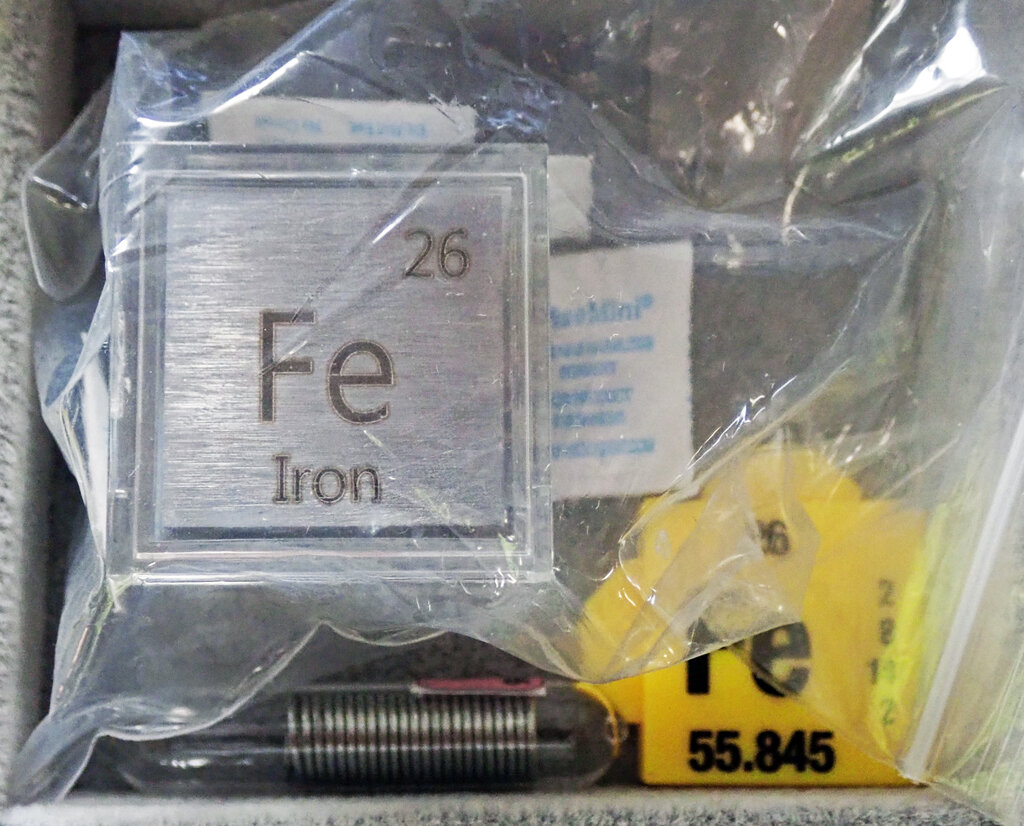
Finally, many transition metals and their compounds are excellent catalysts, substances that speed up chemical reactions without being consumed. Their ability to switch between different oxidation states allows them to facilitate the breaking and forming of chemical bonds in reactant molecules. Iron, for instance, is a key catalyst in the Haber-Bosch process, which produces ammonia for fertilizers on an industrial scale.
Why They Matter
The unique properties of d-block elements make them incredibly useful. We rely on them in countless ways, from construction and technology to biology.
Iron is the backbone of modern infrastructure in the form of steel. Copper's excellent conductivity makes it essential for electrical wiring. Titanium’s combination of strength and low density is ideal for aerospace engineering. Zinc is used to galvanize steel, protecting it from rust.
These elements are also vital for life. The iron in hemoglobin in our red blood cells is what carries oxygen from our lungs to the rest of our body. Other transition metals like zinc, copper, and manganese are essential trace elements required for enzymes to function properly.
Time to check your understanding.
What is the primary reason that transition metals, like iron, can form ions with different positive charges (e.g., and )?
A solution of copper(II) sulfate appears blue to our eyes. This is because the copper(II) ions...
From structural materials to the very processes of life, the d-block elements play a central and indispensable role.