Cybersecurity Trends Explained
Cybersecurity Fundamentals
What Is Cybersecurity?
Every day, we share information online. We send emails, buy things from websites, and connect with friends. Cybersecurity is the practice of protecting all of that digital information, along with the computers, networks, and systems that store and move it.
Think of it like locking the doors to your house. You do it to keep your belongings and family safe from intruders. In the digital world, cybersecurity is the lock, the alarm system, and the security guard all rolled into one. It protects sensitive data like your bank account details, personal photos, and private messages from being stolen or misused.
Without it, our digital lives would be vulnerable to criminals and hackers looking to cause trouble or make a profit.

The Core Principles
To understand how to protect information, we first need to agree on what
Confidentiality, integrity, and availability—the CIA triad—are the three pillars of information security.
This trio of concepts, known as the CIA triad, forms the foundation of all cybersecurity efforts. Let's break them down.
Confidentiality is about keeping secrets. It ensures that data is accessible only to authorized users. Think of it like a sealed envelope. Only the intended recipient should be able to open it and read the letter inside. Encryption is a common tool for maintaining confidentiality.
Integrity means ensuring that information is trustworthy and has not been tampered with. The data you send should be the same data that is received, without any unauthorized changes. For example, when you transfer $100 from your bank account, you need to be certain that a hacker can't change that amount to $1,000 mid-transfer.
Availability ensures that information and systems are up and running when you need them. If a website or service is down, it’s not available. This principle is about making sure systems can resist shutdowns and recover quickly from any failures.
Common Threats
Attackers have many ways to try and break through digital defenses. Understanding the most common threats is the first step toward protecting against them.
Malware
noun
Short for malicious software, it is any software intentionally designed to cause damage to a computer, server, client, or computer network.
Malware is a catch-all term for many types of harmful software, including viruses that spread from computer to computer and ransomware that locks up your files until you pay a fee.
Another common threat is phishing. This is a type of social engineering attack where an attacker sends a fraudulent message designed to trick a person into revealing sensitive information. Often, these look like legitimate emails from your bank, a delivery service, or a social media site, asking you to click a link and "verify" your account details.
A classic phishing attempt is an email that says your account has been compromised and you must click a link immediately to reset your password. The link leads to a fake website that steals your login credentials.
Finally, there are denial-of-service (DoS) attacks. The goal of a DoS attack is to shut down a machine or network, making it inaccessible to its intended users. Attackers do this by flooding the target with traffic or sending it information that triggers a crash. When many computers are used together in the attack, it's called a distributed denial-of-service (DDoS) attack.
Basic Defenses
Just as there are common threats, there are standard tools to defend against them. These technologies form a basic security toolkit for any individual or organization.
Defense in Depth is a cybersecurity strategy that employs a multi-layered approach to security, incorporating complementary defensive measures across various levels of an IT environment.
No single defense is perfect, so cybersecurity relies on creating layers of protection.
Firewalls act as a barrier between a trusted network (like your home network) and an untrusted network (like the internet). They monitor incoming and outgoing traffic and decide whether to allow or block it based on a set of security rules. A firewall is like a bouncer at a club, checking IDs at the door.
Antivirus Software is designed to detect and remove malware. It scans files and programs for known malicious patterns and can quarantine or delete anything that looks suspicious. It’s essential for protecting your computer from viruses, worms, and other malicious code.
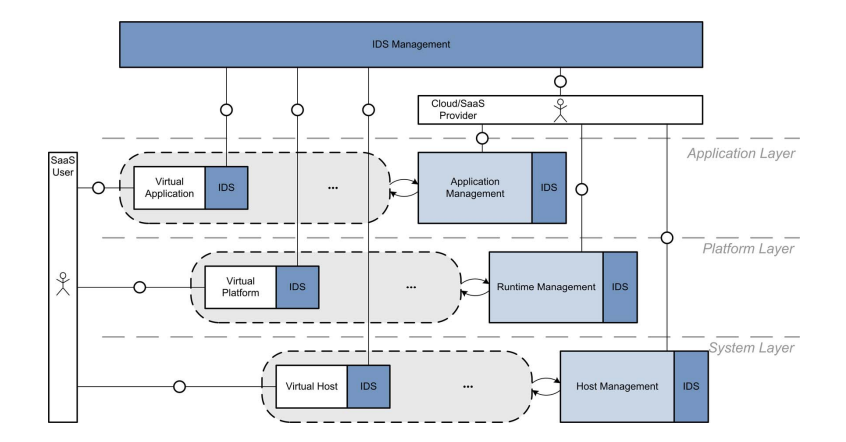
Intrusion Detection Systems (IDS) are a bit more advanced. An IDS monitors network or system activities for malicious activity or policy violations. If it detects a potential threat, it sends an alert to an administrator. Think of it as a security camera that doesn't stop the intruder but records their activity and alerts the authorities.
These foundational tools and concepts are the building blocks of a strong security posture. Understanding them is key to navigating the digital world safely.
What is the primary goal of cybersecurity?
A malicious actor intercepts a $100 bank transfer and successfully alters the amount to $1,000 before it is processed. Which core principle of the CIA triad has been violated?