Cybersecurity Tools for LinkedIn
Understanding Cybersecurity Tools
The Cybersecurity Toolkit
Cybersecurity isn't just about abstract principles; it relies on a diverse set of tools, each designed for a specific job. Think of it like a mechanic's workshop. You wouldn't use a wrench to hammer a nail. Similarly, security professionals use specialized software to find weaknesses, monitor for threats, and protect digital assets. Let's look at some of the most common tools in their arsenal.
Finding the Cracks
The first step in securing any system is to know its weaknesses. Vulnerability scanners are automated tools that do just that. They act like a digital building inspector, systematically checking networks, servers, and applications for known security holes. These could be anything from outdated software with a known flaw to a simple misconfiguration that leaves a door open for attackers.
Popular tools like Tenable and Qualys maintain massive databases of known vulnerabilities. They scan a system, compare what they find against their database, and generate a detailed report. This report prioritizes the risks, telling security teams which problems to fix first. It's a proactive way to patch holes before they can be exploited.
Managing cybersecurity risks effectively requires identifying and mitigating vulnerabilities that threat actors could exploit to compromise your network.
The Digital Watchdogs
While vulnerability scanners find existing weaknesses, Intrusion Detection Systems (IDS) watch for active threats. An IDS is like a digital security camera or motion detector. It monitors network traffic and system activities in real-time, looking for suspicious patterns or known attack signatures.
If an IDS spots something fishy, like a known type of malware or an unusual data transfer, it doesn't block the activity. Instead, it triggers an alert, notifying security personnel so they can investigate. This early warning is crucial for catching intruders before they can do significant damage.
It's important to distinguish an IDS from an Intrusion Prevention System (IPS). While an IDS only detects and alerts, an IPS sits directly in the path of network traffic and can actively block threats it identifies. Many modern systems combine both functions.
Thinking Like an Attacker
To catch a thief, you have to think like one. Penetration testing (or pen testing) is the practice of ethically hacking an organization's systems to find vulnerabilities an attacker could exploit. Testers use the same tools and techniques as malicious hackers, but with the company's permission.
The Metasploit Framework is one of the most widely used pen testing tools. It's a powerful platform that contains a huge library of known exploits, allowing testers to simulate attacks against specific vulnerabilities. For web applications, a tool like Nikto can quickly scan a web server for thousands of potentially dangerous files or outdated software versions.
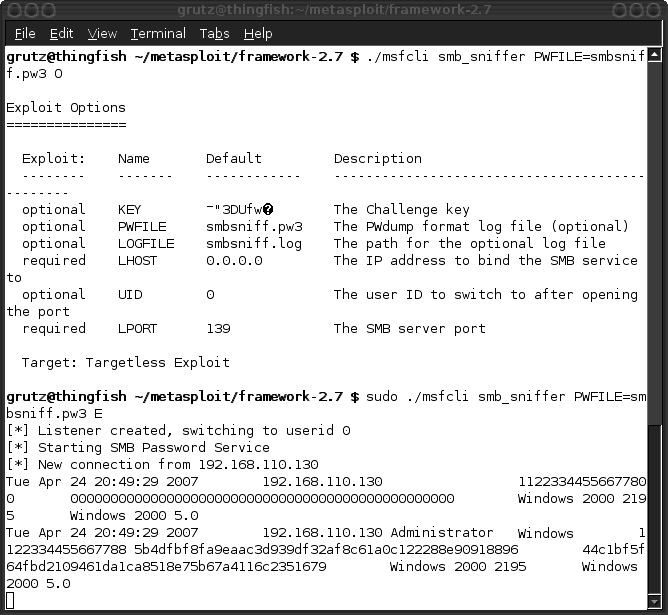
The goal of pen testing is to find and fix weaknesses before criminals can find them. It provides a real-world assessment of how well a company's defenses hold up against a skilled attacker.
Network monitoring tools like Wireshark capture and display the data traveling over a network. This lets analysts inspect individual data packets to troubleshoot problems or investigate suspicious activity.
Finally, endpoint protection platforms are the security guards for individual devices. An endpoint is any device connected to the network, like a laptop, server, or smartphone. Tools like Symantec Endpoint Protection combine antivirus, anti-malware, firewalls, and other defenses into a single package to protect these devices from a wide range of threats.
Ready to test your knowledge of these essential tools?
What is the primary function of a vulnerability scanner like Tenable or Qualys?
An ethical hacker is hired to find and exploit weaknesses in a company's defenses with the company's permission. This practice is known as:
Understanding these different types of tools shows how cybersecurity relies on a layered defense. No single tool can protect against every threat, but together they create a robust system for identifying risks, detecting attacks, and protecting valuable information.