Cybersecurity Tools Explained
Introduction to Cybersecurity
What Is Cybersecurity?
Cybersecurity is the practice of protecting computers, servers, mobile devices, electronic systems, networks, and data from malicious attacks. It's essentially digital security. Its goal is to safeguard the confidentiality, integrity, and availability of information.

In our connected world, the importance of cybersecurity can't be overstated. We store our most sensitive information online, from financial records and personal photos to business strategies and government secrets. A security breach can lead to identity theft, financial loss, or even disruptions to critical infrastructure like power grids and hospitals.
Protecting this digital world is a constant challenge. Threats are always evolving as attackers develop new methods. This means cybersecurity isn't a one-time fix, but an ongoing process of adapting and responding to new dangers.
With the increasing number of attempts to exploit vulnerabilities in the various digital tools we use, the need for vigilance and implementation of cybersecurity measures in protecting data and digital identity has never been more urgent.
Common Cyber Threats
Cyber threats are actions intended to damage, disrupt, or gain unauthorized access to a computer system, network, or device. Understanding the most common types of threats is the first step toward protecting against them.
malware
noun
Short for "malicious software," this is a catch-all term for any software intentionally designed to cause damage to a computer, server, client, or computer network.
Another prevalent threat is phishing. This is a type of social engineering where attackers trick people into revealing sensitive information, such as usernames, passwords, and credit card details. They often do this by sending fraudulent emails or text messages that appear to be from reputable sources, like a bank or a well-known company.
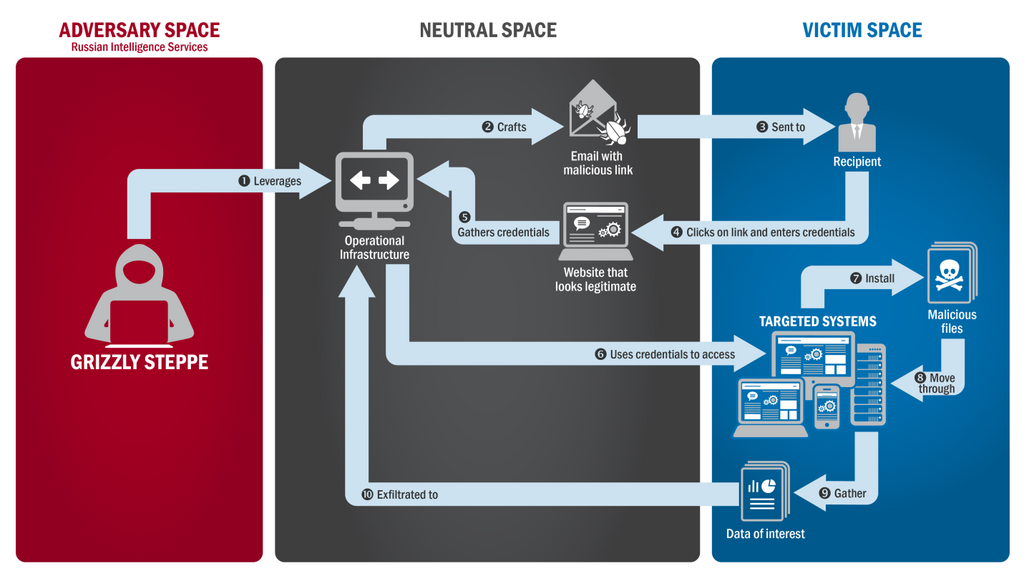
Attackers can also try to make a network or website unavailable to its intended users. This is called a Distributed Denial-of-Service (DDoS) attack. Imagine a massive crowd of people suddenly blocking the entrance to a store, preventing any real customers from getting inside. A DDoS attack works similarly, flooding a server with so much internet traffic that it becomes overwhelmed and shuts down.
Vulnerabilities and Risks
For a threat to be successful, it usually needs to exploit a weakness. In cybersecurity, this weakness is called a vulnerability.
A vulnerability can be a bug in a piece of software, a poorly configured system, or even human error, like using an easy-to-guess password. Think of it like a broken lock on a door; it doesn't cause a problem on its own, but it creates an opportunity for a burglar to get in.
A threat is what could harm you. A vulnerability is how it could harm you. Risk is the likelihood of that harm actually happening.
This leads us to the concept of risk management. Since it's impossible to eliminate all vulnerabilities, organizations must decide which ones to fix first. Risk management is the process of identifying, assessing, and prioritizing risks to minimize their potential impact.
It involves asking questions like:
- What are our most important digital assets?
- What are the biggest threats to those assets?
- What are our most critical vulnerabilities?
- What would be the impact if a vulnerability were exploited?
By answering these questions, security professionals can create a strategy to manage cybersecurity risks effectively, focusing their resources on protecting what matters most.
What is the primary goal of cybersecurity?
An attacker sends a fraudulent email disguised as a notification from a popular social media site, tricking a user into revealing their login credentials. What type of attack is this?
This foundational knowledge of threats, vulnerabilities, and risks is the starting point for building a strong defense in the digital world.