Cybersecurity Masterclass
Cyber Attack Motivations
Why They Hack
Behind every cyber attack is a human with a goal. It's easy to picture hackers as hooded figures causing random digital chaos, but the reality is more structured. Attacks are almost always driven by a clear motivation, and understanding that motivation is key to understanding the threat. The 'why' behind an attack often determines the 'who,' the 'what,' and the 'how' of the operation.
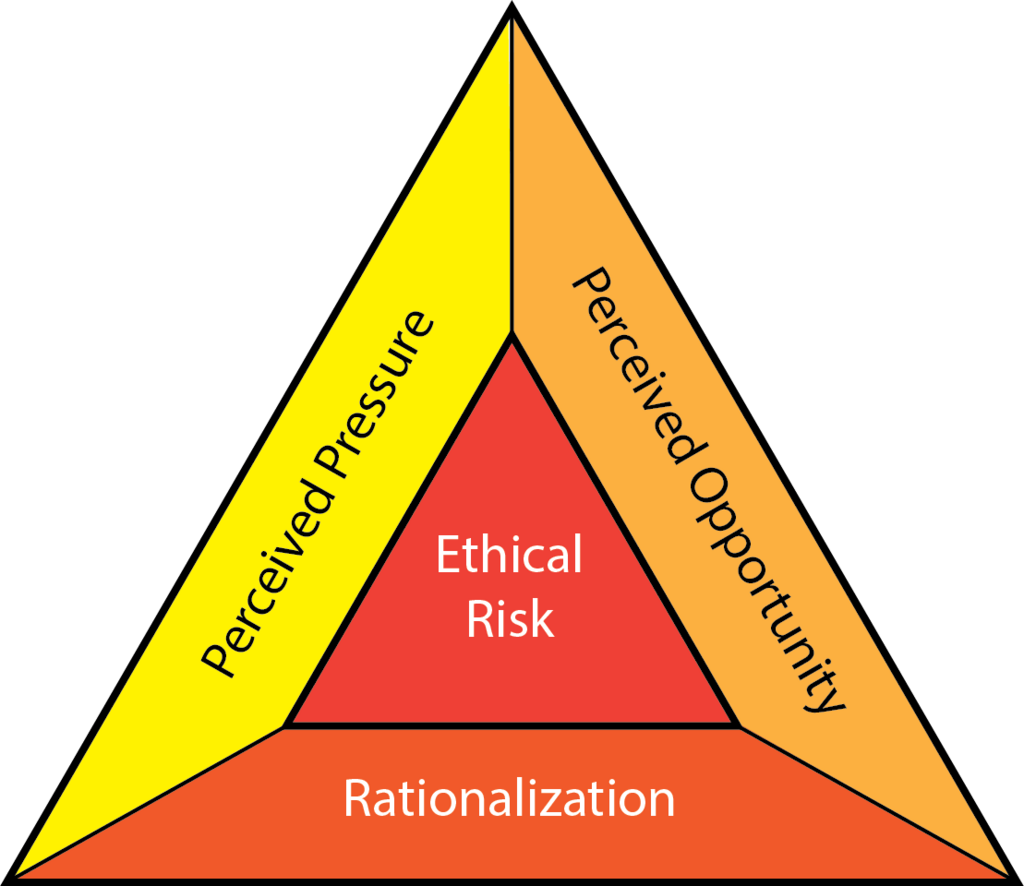
Cyberattacks are not just technological threats; they are deeply rooted in human psychology.
Attackers can be sorted into broad categories based on their primary drivers. While their methods might overlap, their ultimate objectives are often worlds apart. Let's explore the main reasons people launch cyber attacks.
For Financial Gain
The most common motivation for cyber attacks is simple: money. Cybercriminals are entrepreneurs running a business, and their business is crime. Their goal is to maximize profit. They steal things that can be quickly converted into cash, such as credit card numbers, online banking credentials, and personal data that can be sold on the dark web.
Ransomware is a classic example of a financially motivated attack. Attackers encrypt a victim's files, making them inaccessible, and then demand a payment to unlock them. The target isn't chosen for personal reasons; they're chosen because they are likely to pay.
A criminal group might lock up a small business's entire customer database. They don't care about the business itself—they just know that the business owner can't operate without that data and will likely pay the ransom to get it back.
These actors operate in a sophisticated underground economy. They buy and sell hacking tools, access to compromised systems, and vast troves of stolen information. For the cybercriminal, it’s not personal, it’s just business.
For Political and Ideological Goals
Not all attacks are about money. Some are about power, influence, and ideology. These are the domains of nation-state actors and hacktivists.
Nation-states use cyber operations as a tool of statecraft. They engage in espionage to steal government secrets, military plans, or intellectual property from foreign companies to give their own industries an edge. A country might hack another nation's power grid not to demand a ransom, but to demonstrate its capability and create a strategic vulnerability.
Hacktivists, on the other hand, are driven by a cause. They use cyber attacks to protest against governments or corporations, make a political statement, or expose what they see as wrongdoing. Their attacks often involve defacing websites, leaking sensitive documents, or disrupting services to draw public attention to their agenda.
| Attacker Type | Primary Motivation | Common Targets |
|---|---|---|
| Nation-State | Espionage, strategic advantage, disruption | Governments, critical infrastructure, corporations |
| Hacktivist | Political or social change, protest | Government agencies, specific companies, organizations |
| Cybercriminal | Financial profit | Any target with money or valuable data |
For Personal Reasons
Sometimes, an attack is deeply personal. A disgruntled ex-employee might use their old login credentials to steal company data or sabotage systems out of revenge. This could also take the form of a personal vendetta, where an individual targets another person to harass them, ruin their reputation, or cause emotional and financial distress.
These attacks are often less sophisticated than those from organized groups but can be highly destructive due to the attacker's insider knowledge or intense personal focus. The goal isn't profit or politics, but to settle a score.
Let's test your understanding of these different motivations.
What is the most common primary motivation for cybercriminals?
A group of attackers defaces a government website to protest a new environmental policy. What is the most likely classification for this group?
Understanding what drives an attacker is the first step toward anticipating their next move. Whether for wealth, power, or revenge, every cyber attack starts with a motive.