Cybersecurity in Fortune 100 Companies
Cybersecurity Team Roles
Meet the Cyber Defense Team
In a big company, cybersecurity isn't a one-person job. It's a complex mission carried out by a team of specialists, each with a distinct role. Think of it like the crew of a ship. You have a navigator, an engineer, a lookout, and a captain. Everyone has their station, but they all work together to keep the ship safe and on course. Let's meet the key players on a typical cybersecurity team.
The Watchful Eyes
Security Analysts are the sentinels of the digital world. Their main job is to monitor the company's computer networks and systems for any signs of trouble. They use sophisticated tools to sift through massive amounts of data, looking for patterns that might indicate a cyberattack. They are the first to notice when something is amiss.
Analysts spend their days investigating alerts, analyzing logs, and staying up-to-date on the latest threats. They are the frontline defenders, constantly on the lookout for suspicious activity.
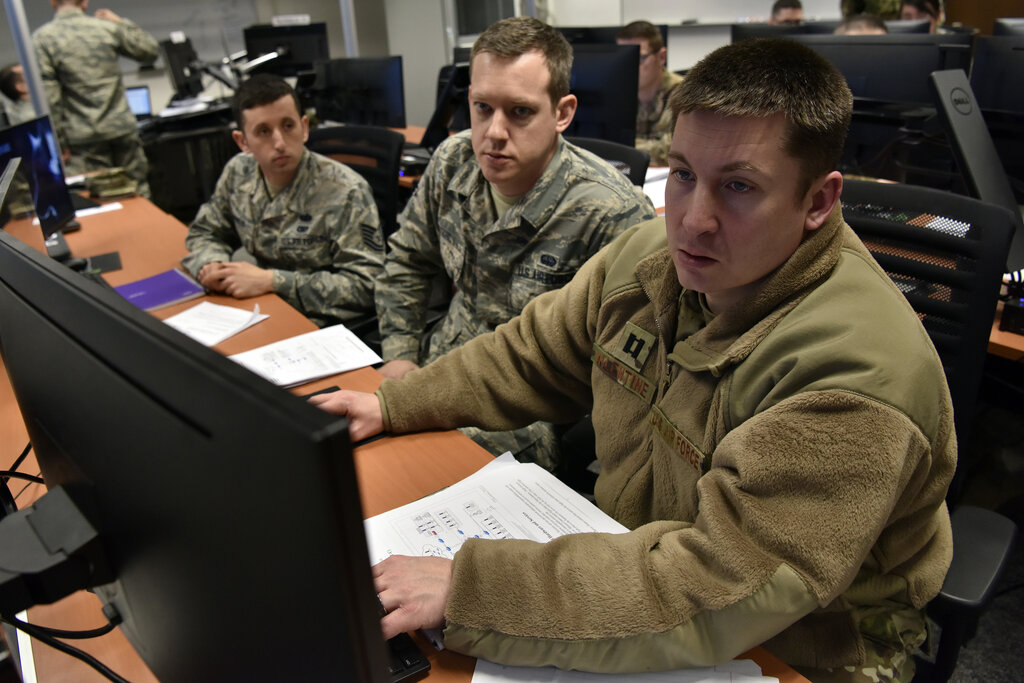
Next up are the Security Engineers. While analysts watch for threats, engineers build and maintain the defenses. They are the architects of the security system. They design, implement, and test security controls like firewalls, encryption systems, and intrusion detection systems. If an analyst finds a weakness, the engineer is the one who figures out how to patch it up.
An engineer's day might involve deploying a new security tool, writing scripts to automate tasks, or hardening servers to make them more resistant to attack.
The First Responders
When a security breach does happen, the Incident Responders are the first on the scene. Think of them as the cybersecurity firefighters. Their job is to contain the damage, eradicate the threat, and get the systems back up and running as quickly as possible. They follow a clear plan to manage the chaos of a security incident, from initial detection to final recovery.
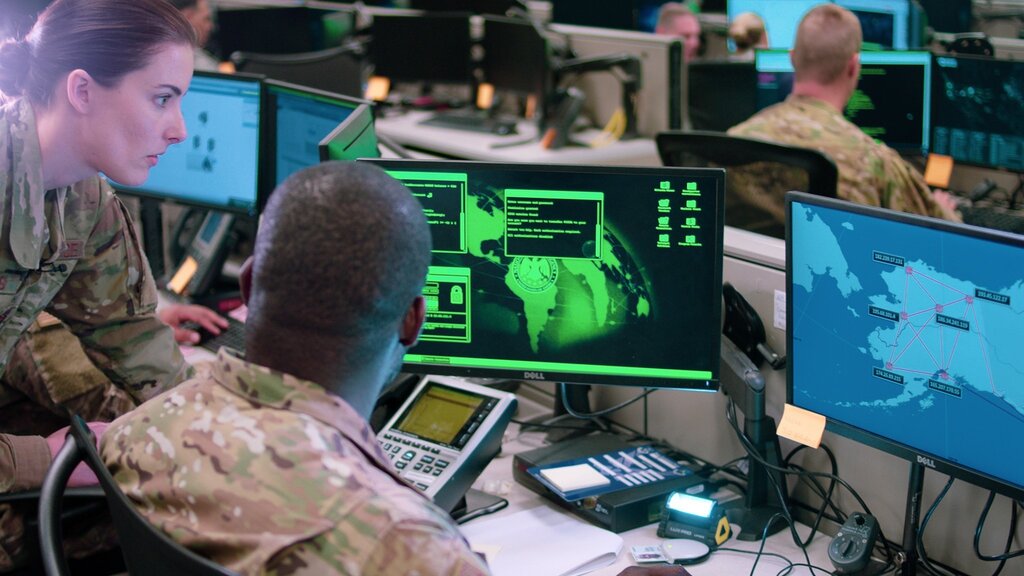
Their work is high-stakes and often high-pressure. After an incident, they also conduct a post-mortem analysis to understand what went wrong and how to prevent it from happening again.
The Strategists and Rule-Keepers
Not all cybersecurity work is technical. Risk Managers and Compliance Officers play crucial strategic roles.
Risk Managers look at the big picture. They identify potential security threats to the organization and assess the potential impact. Their job is to help business leaders understand the risks and make informed decisions about where to invest in security. They answer questions like, "What are our most valuable digital assets, and what are the biggest threats to them?"
Compliance Officers, on the other hand, ensure the company is playing by the rules. Many industries, like finance and healthcare, have strict government regulations about how they must protect data. A Compliance Officer's job is to understand these laws, implement policies to meet them, and prove to auditors that the company is in compliance. They bridge the gap between legal requirements and technical controls.
Security is a Team Sport: From frontend developers sanitizing inputs to DevOps engineers managing infrastructure and QA teams testing for vulnerabilities, everyone has a role.
All these roles must work together seamlessly. An analyst might detect an anomaly and pass it to an incident responder. The responder's investigation might reveal a weakness that an engineer needs to fix. The whole event provides data for the risk manager's analysis, and the compliance officer ensures the response meets all legal obligations.
No single person can do it all. A strong cybersecurity posture relies on the specialized skills and seamless collaboration of this entire team.
Which cybersecurity role is primarily focused on monitoring computer networks and systems for signs of malicious activity?
A company needs to implement a new, more robust firewall and encryption system. Who would be responsible for designing and building these defenses?