Cybersecurity Fundamentals
Introduction to Cybersecurity
What Is Cybersecurity?
Cybersecurity is the practice of protecting computers, servers, mobile devices, electronic systems, networks, and data from malicious attacks. Think of it as the digital world's security guard, locksmith, and detective all rolled into one. Its goal is to defend our digital lives from theft, damage, or unauthorized access.
From online banking and shopping to communicating with friends and family, we rely on digital systems every day. This convenience comes with risks. Without proper security, our personal information, financial data, and even our identities can be vulnerable. For businesses and governments, the stakes are even higher, involving sensitive customer data, trade secrets, and national security.

The Core Principles
To understand cybersecurity, we can start with three fundamental concepts known as the CIA Triad. This model is a cornerstone for creating security policies and evaluating threats. The three principles are Confidentiality, Integrity, and Availability.
Confidentiality
noun
Ensuring that information is not disclosed to unauthorized individuals, entities, or processes.
Confidentiality is like a sealed letter. Only the intended recipient should be able to open and read it. In the digital world, this is often achieved through encryption, which scrambles data so only authorized parties can unscramble it.
Integrity
noun
Maintaining the consistency, accuracy, and trustworthiness of data over its entire lifecycle.
Integrity means the data hasn't been tampered with. Imagine sending 💲100 to a friend. Data integrity ensures the amount doesn't change to 💲10 or 💲1,000 mid-transfer. It's about making sure information remains correct and unaltered.
Availability
noun
Ensuring that information is accessible and usable upon demand by an authorized party.
Availability means you can get to your information when you need it. If a website crashes due to a cyberattack, its availability is compromised. Cybersecurity measures aim to keep systems running and data accessible to authorized users.
Common Cyber Threats
Attackers use various methods to compromise systems. Understanding these common threats is the first step toward defending against them.
| Threat | Description |
|---|---|
| Malware | Short for malicious software, it's any software intentionally designed to cause damage to a computer, server, or network. Examples include viruses, worms, and ransomware. |
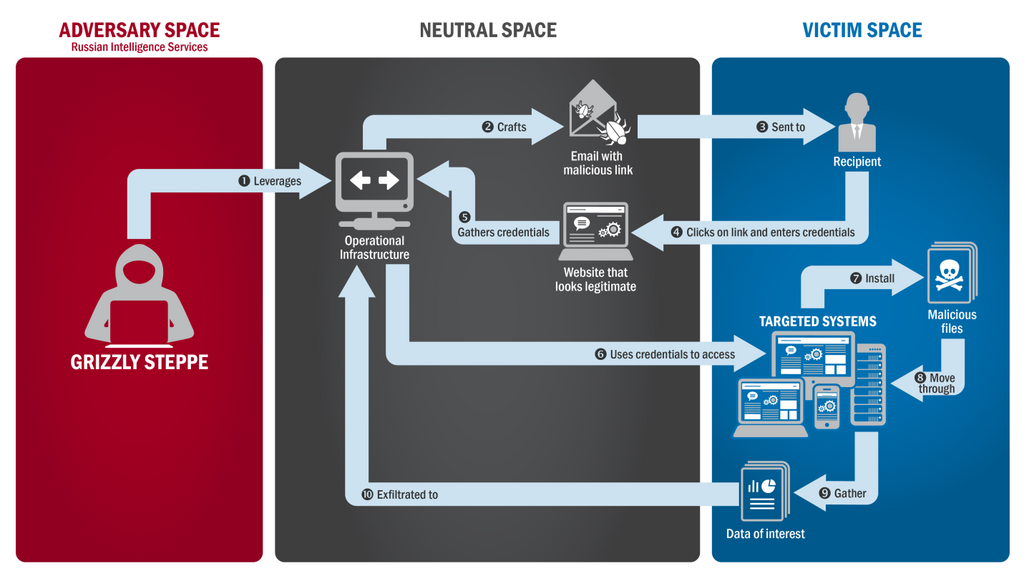
| Phishing | A type of social engineering where attackers trick people into revealing sensitive information, like passwords or credit card numbers, by disguising themselves as a trustworthy entity in an electronic communication. |
| Denial-of-Service (DoS) | An attack meant to shut down a machine or network, making it inaccessible to its intended users. This is often done by flooding the target with traffic or sending it information that triggers a crash. |
Phishing attacks are particularly common. They often arrive as emails that look legitimate, perhaps appearing to be from your bank or a popular online service. The goal is to create a sense of urgency or curiosity to lure you into clicking a malicious link or downloading a harmful attachment.
Careers in Cybersecurity
The field of cybersecurity is vast and growing, with many different roles and specializations. It’s not just for technical wizards; it requires problem-solvers, good communicators, and strategic thinkers.
Some common roles include:
- Security Analyst: The front-line defender. They monitor an organization's network for security breaches, investigate violations when they occur, and help design and implement security measures.
- Ethical Hacker (or Penetration Tester): Hired to legally hack into systems to find vulnerabilities before malicious attackers do. They think like an attacker to identify and fix security weaknesses.
- Security Architect: The designer of the security system. They create the overall security structure for an organization's IT systems, ensuring it is robust and can withstand attacks.
- Chief Information Security Officer (CISO): A high-level executive responsible for an organization's entire information security program.
Cybersecurity is one of the fastest-growing fields in technology, offering exciting opportunities to protect networks, data, and systems against ever-evolving threats.
Ready to check your understanding of these foundational concepts? Let's give it a try.
What is the primary goal of cybersecurity?
Which element of the CIA Triad ensures that information is accurate and has not been tampered with or altered?
Cybersecurity is a dynamic field that's essential for our modern, connected world. By understanding its core principles and being aware of common threats, you've taken the first step in learning how to protect our digital lives.